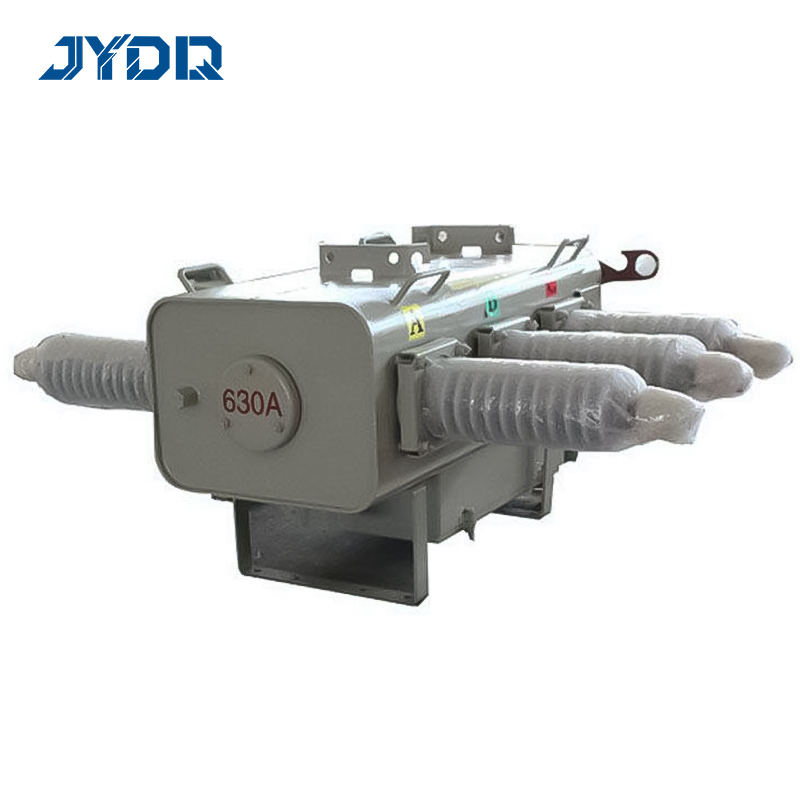
Overview: 10KV/12KV/20KV/24KV/33KV/36KV Series Medium Voltage Circuit Breakers
The 10KV/12KV/20KV/24KV/33KV/36KV Series covers outdoor high-voltage SF6 circuit breakers designed for medium-voltage power distribution networks operating across the 10 to 36 kV range. These devices serve as the primary switching and fault-protection components in utility substations, industrial power systems, and grid-connected facilities where reliable fault interruption and arc control are critical to safe, continuous operation.
Governed by IEC 62271-100, the internationally recognized standard for medium-voltage AC circuit breakers, products in this series are specified to symmetrical breaking currents and mechanical endurance classes that reflect real utility and industrial operating demands. The 10 to 36 kV voltage span encompasses the most common medium-voltage distribution tiers used across Asia, Europe, Africa, and South America—regions where grid expansion, substation upgrade programs, and industrial electrification projects continue to drive active procurement demand.
For procurement engineers evaluating circuit breaker options in this voltage range, the decision is rarely straightforward. Different projects impose different voltage ratings, current requirements, mechanism types, and compliance documentation obligations. This overview is structured to help buyers map their project conditions to the right specification parameters, rather than defaulting to the highest available rating or the most familiar name.
Key Technical Characteristics
Voltage Class Range: Products span 10 kV, 12 kV, 20 kV, 24 kV, 33 kV, and 36 kV nominal system voltages, aligning with the primary distribution tiers used in IEC-standardized markets globally.
Rated Current: The LW Series covers 400 A and 630 A continuous current ratings, suitable for feeder protection, transformer incomer, and bus coupler applications in medium-voltage switchgear panels.
SF6 Insulation and Arc Interruption: SF6 gas serves as both the insulating medium and arc-quenching agent. Compared with vacuum arc interruption, SF6 technology is well-established in outdoor applications where moisture ingress and contamination control are design priorities.
IEC 62271-100 Certification: Products carry IEC 62271-100 type-test certification, confirming that symmetrical breaking capacity, dielectric withstand levels, and mechanical endurance meet the documented requirements under independently verified test conditions.
Three Operating Mechanism Types: Three mechanism configurations are available to accommodate different control system integration needs, grid interface requirements, and maintenance access preferences at the installation site.
Extended Service Life: With appropriate site conditions, products in this series support maintenance-free service intervals of 10 to 20 years—a meaningful parameter when lifecycle cost and maintenance access frequency are part of the procurement evaluation.
Outdoor-Rated Construction: The LW Series is designed for outdoor substation installation, with enclosure and sealing standards appropriate for exposed environments across a range of climate conditions.
It is intuitive to assume that a circuit breaker with a higher voltage rating must be more reliable—but reliability is determined by how well the design margins, insulation integrity, and manufacturing quality align with actual operating conditions, not by the rated ceiling alone. Specifying to a higher voltage class than the system requires does not inherently improve fault performance; it may add cost and introduce interface complexity that affects installation scheduling.
Common Application Scenarios
The 10KV/12KV/20KV/24KV/33KV/36KV Series is deployed across a range of utility and industrial applications where medium-voltage switching and fault isolation are required:
Utility Substation Feeders: Outdoor SF6 circuit breakers at 10–12 kV and 33–36 kV are widely specified for feeder bays in utility distribution substations, where spring-charged mechanisms support rapid reclosing cycles and protection automation integration.
Industrial Power Systems: Manufacturing facilities, processing plants, and large commercial developments with incoming supplies at 10–36 kV typically specify circuit breakers at the primary switchboard incomer position, where breaking capacity and mechanical endurance class directly affect production continuity.
Substation Upgrade Programs: Many substation upgrade projects involve replacing aging oil circuit breakers or air-blast types with modern SF6 units that offer improved environmental compliance, reduced maintenance intervals, and compatibility with digital protection relay systems.
Renewable Energy Interconnection: Solar farm and wind project step-up substations connecting to 33–36 kV distribution networks require circuit breakers that handle variable current profiles and reclosing sequences associated with intermittent generation sources.
Power Electronics Transformer Integration: Facilities incorporating power electronics transformer systems at the medium-voltage interface require circuit breakers capable of managing transient current profiles and switching conditions that differ from conventional resistive-inductive load applications.
EPC Multi-Market Projects: Engineering, procurement, and construction contractors procuring complete substation packages for infrastructure projects across multiple markets frequently source from this voltage series to maintain specification consistency across sites with varying nominal voltages.
How to Select the Right Specification
The shift happens when procurement engineers realize that a circuit breaker is rated for standard IEC test conditions, but their actual installation involves a specific system voltage, fault level, environmental classification, and documentation requirement that each independently constrains the acceptable product range. Selecting on voltage class alone is insufficient.
1. System Voltage and Rated Voltage AlignmentThe rated voltage of the circuit breaker must match or exceed the highest system voltage at the installation point—not just the nominal network voltage. In emerging market distribution networks, where voltage fluctuation beyond standard tap range is common, the margin between nominal and rated voltage deserves explicit attention. If your network operates within stable IEC standard tolerances, the standard rated voltage selection applies directly. Once you introduce significant voltage variability or overhead line transient exposure, verify the withstand class with the supplier before finalizing specification.
2. Current Rating and Breaking CapacityThe short answer is: higher fault level means a higher required breaking current rating. The longer answer is: the breaking capacity requirement depends on available fault current at the installation bus, which varies with network impedance, transformer rating, and upstream switching configuration. The edge case answer is: if the system is later expanded or reconfigured, the original breaking capacity margin may no longer be adequate—so the procurement specification should document the design fault level basis explicitly.
3. Mechanism Type and Control IntegrationThree mechanism types are available in the LW Series. Selection depends on control voltage standard at the site, the protection relay interface requirements, and whether motor-driven charging or manual operation is needed as a fallback mode. This choice is often made by the protection and control engineer rather than the procurement team, and the specification should be aligned between both disciplines before order placement.
4. Compliance Documentation and Market RequirementsBefore specifying a circuit breaker from the 10KV/12KV/20KV/24KV/33KV/36KV Series for a specific market or project, confirm which standards—IEC 62271-100 or applicable local grid codes—govern the installation. IEC certification confirms that type-test conditions and performance boundaries have been independently verified; it does not automatically satisfy market-specific grid authority registration requirements, which vary by country. When a supplier references IEC 62271-100 compliance, the relevant follow-up question is: which test report edition, which test clauses were completed, and whether a third-party certificate is available in a format acceptable to the local grid operator.
Procurement Evaluation Considerations
In multi-supplier tender evaluations, inconsistent test report formats and scope across candidate suppliers make direct technical comparison difficult, increasing evaluation time and the risk of selecting on non-comparable documentation rather than equivalent verified performance. Requesting a standardized summary covering rated breaking capacity, dielectric withstand levels, and mechanical endurance class—each referenced to the corresponding IEC 62271-100 test clause—reduces this ambiguity.
For EPC contractors procuring for projects across multiple markets with different regulatory frameworks, the key question is whether a single product specification from the 10KV/12KV/20KV/24KV/33KV/36KV Series can satisfy each destination market's compliance obligations, or whether market-specific variants are required. Suppliers with multi-market supply experience can typically provide documentation packages tailored to individual grid authority requirements without requiring full re-specification of the equipment.
In practice, many circuit breaker field performance issues do not originate with the equipment itself—they trace back to installation environment factors: enclosure sealing inadequate for the actual pollution level, ambient temperatures consistently exceeding the rated design point, or cable entry configurations not coordinated with the switchgear panel manufacturer before installation. Engaging the supplier at specification stage rather than at order placement reduces the probability of these issues emerging during commissioning.
The growing switchgear market size across Asia, Africa, and South America reflects sustained infrastructure investment in medium-voltage distribution equipment. For buyers qualifying new suppliers, operational reliability evidence—factory acceptance test documentation, type test reports, and CE certification—remains the primary qualification basis alongside price and delivery performance.
Operational reliability in utility and critical facility applications is a baseline requirement, not a differentiating feature. Equipment failure in a 10–36 kV distribution system can affect large portions of a network or an entire industrial facility. The procurement process for circuit breakers in this voltage class accordingly places significant weight on documented type-test evidence, factory quality control records, and supplier support capability—factors that belong in the evaluation framework from the earliest specification stage.


 EN