When evaluating electrical equipment for medium-voltage power distribution, sulfur hexafluoride circuit breakers represent a critical investment in system reliability and safety. At the 40.5kV rating, these devices serve as essential protection components in substations and industrial facilities worldwide. Understanding their design principles, operational characteristics, and selection criteria is fundamental for procurement teams and electrical engineers responsible for grid infrastructure decisions. This guide addresses the key considerations that buyers should evaluate before committing to a 40.5kV SF6 breaker deployment.
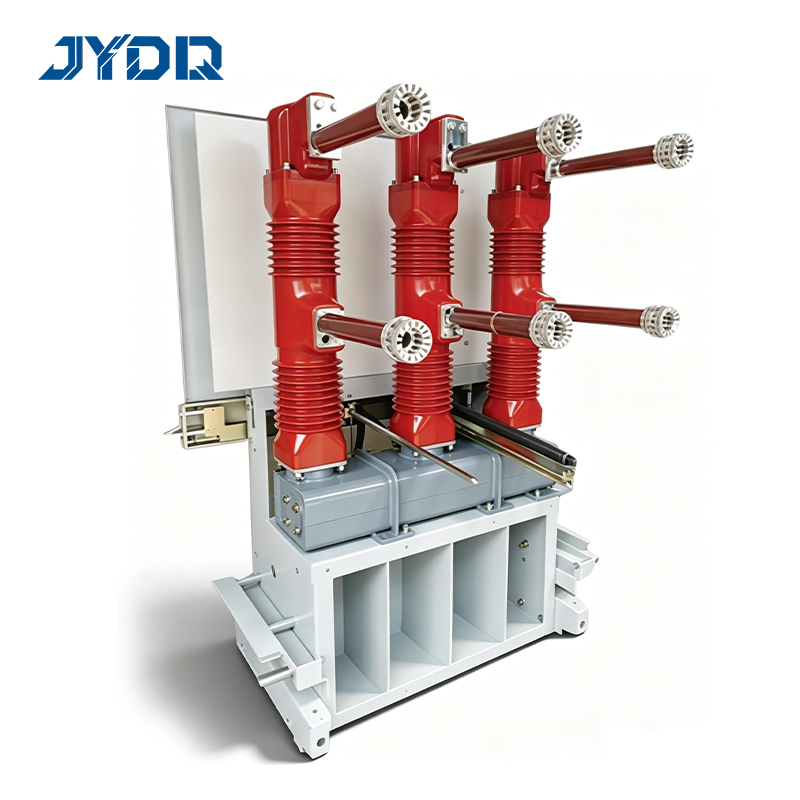
The 40.5kV voltage class occupies a unique position in medium-voltage power systems. This rating bridges the gap between lower distribution voltages and higher transmission levels, making it ideal for regional substations and large industrial complexes. SF6 breaker technology delivers superior arc quenching performance and compact installation footprints compared to traditional oil-filled or vacuum alternatives. Buyers must understand how 40.5kV SF6 breaker specifications align with their operational requirements and long-term maintenance capacity.
Design and Operating Principles of 40.5kV SF6 Breakers
SF6 Gas Properties and Arc Extinction
Sulfur hexafluoride gas operates as the primary insulating and arc-quenching medium within the 40.5kV SF6 breaker chamber. SF6 possesses exceptional electronegativity, meaning it rapidly recombines ions produced during arc formation, effectively extinguishing the electrical discharge within milliseconds. This superior arc extinction capability allows compact interrupter designs while maintaining reliability across fault conditions ranging from standard load switching to severe short-circuit events. The gas remains chemically stable under normal operating temperatures, ensuring consistent performance throughout the breaker's service life.
Mechanical and Electrical Operating Mechanisms
A typical 40.5kV SF6 breaker combines a spring-charged operating mechanism with integrated control electronics. When a fault is detected, the mechanism releases stored spring energy to drive the main contacts apart at controlled speed. Simultaneously, SF6 gas flows through the contact gap under pressure, cooling the arc and facilitating rapid extinction. The substation protection relay initiates this sequence, coordinating the breaker's response with upstream and downstream protective devices. Modern designs incorporate dashpot dampers and adjustable operating speeds to fine-tune interruption performance for specific substation configurations.
Performance Specifications and Rating Considerations
Interrupting Capacity and Continuous Current Ratings
At 40.5kV, an SF6 breaker must withstand and interrupt fault currents typically ranging from 20,000 to 63,000 amperes, depending on system impedance and fault clearing speed. Continuous current ratings—normally 1,200, 2,000, or 3,150 amperes—determine the breaker's suitability for specific substation configurations and load profiles. Buyers must verify that the selected breaker's interrupting capacity exceeds the calculated maximum available fault current at the installation point. Undersized equipment creates unacceptable risk of contact fusion or mechanical failure during severe faults, while oversized breakers waste capital and occupy unnecessary space in compact substation layouts.
Operating Duty and Environmental Factors
The 40.5kV SF6 breaker must perform reliably across diverse operating duties defined by rapid sequential switching, repeated fault clearing, and extended standby periods. Environmental conditions significantly affect breaker longevity and safety. High ambient temperatures accelerate gas decomposition and reduce the effectiveness of insulation properties. Coastal or industrial atmospheres introduce corrosive contaminants that degrade mechanical components and electrical contacts. Altitude locations above 1,500 meters require derating of dielectric strength because SF6 gas density decreases with elevation. Buyers should specify environmental condition categories during procurement to ensure the breaker meets their site-specific demands.
Maintenance Requirements and Long-Term Ownership Costs
SF6 Gas Management and Recycling
Proper management of SF6 gas represents a significant operational and environmental responsibility for substation owners. The 40.5kV SF6 breaker typically contains 10 to 15 kilograms of SF6 gas at a pressure between 5 and 8 bar absolute. Over time, gas can leak through valve seals or be lost during maintenance activities, reducing the breaker's interrupting capability below acceptable limits. Operators must monitor gas density using portable testing equipment and schedule periodic recharging or recovery operations. Environmental regulations increasingly restrict SF6 emissions due to its high global warming potential, making compliant gas recycling and recovery systems essential. Budget allocations should account for recovery equipment acquisition, trained personnel, and disposal costs throughout the breaker's 30-year expected service life.
Contact Erosion and Preventive Maintenance Programs
The main contacts in a 40.5kV SF6 breaker experience gradual erosion with each fault clearing operation and switching cycle. The arcing process literally removes metal from the contact surface, reducing contact pressure and potentially extending the arc extinction time in future operations. Manufacturers specify maximum wear limits—typically 0.5 to 1.0 millimeter per contact face—before contact replacement becomes mandatory. Preventive maintenance programs should include annual inspections of contact wear, mechanical linkage calibration, and function testing under controlled load conditions. Buyers must verify that spare parts availability and technical support remain accessible throughout the breaker's operational lifetime. Training the maintenance team on proper handling procedures, gas recovery protocols, and diagnostic testing is equally critical to preventing unexpected failures and extending equipment reliability.
Selection Criteria and Installation Planning
System Voltage Compatibility and Coordination
The nominal 40.5kV rating represents the breaker's sustained operating voltage, but it must withstand temporary voltage surges and transient overvoltages that occur during switching operations or lightning strikes. The substation design should confirm that the 40.5kV SF6 breaker's insulation coordination aligns with protective device settings and system grounding practices. Three-phase configurations require careful phase-to-phase and phase-to-ground spacing to prevent inadvertent arcing or tracking along porcelain or composite insulation surfaces. Buyers should request detailed coordination diagrams and surge analysis reports from the equipment supplier before finalizing the procurement specification. Proper installation configuration ensures that the breaker integrates seamlessly with instrument transformers, disconnects, and surge arresters within the substation.
Economic Justification and Capital Budgeting
A 40.5kV SF6 breaker represents a substantial capital investment compared to lower-voltage alternatives, typically ranging from $50,000 to $150,000 per unit depending on continuous current rating and optional features such as motorized operating mechanisms or advanced diagnostics. However, the superior reliability, compact footprint, and minimal maintenance requirements often justify the premium cost through reduced operational expenses and extended service intervals. Lifecycle cost analysis should compare total installed cost, spare parts, annual maintenance labor, and environmental compliance expenses across competing technologies. For utilities and industrial operators expecting 30+ years of service, sulfur hexafluoride circuit breakers frequently deliver the lowest total cost of ownership when accounting for reliability benefits and operational flexibility gains.
FAQ
What is the typical lifespan of a 40.5kV SF6 breaker?
Modern 40.5kV SF6 breakers are designed for a 30-year service life with proper maintenance. However, actual longevity depends heavily on operating duty cycle, environmental conditions, and quality of preventive maintenance. Units in lightly loaded substations may operate reliably for 40+ years, while high-duty applications in corrosive environments may require major overhauls or replacement after 25 years. Gas quality and contact wear monitoring provide early warnings of degradation.
How does SF6 gas environmental impact affect purchasing decisions?
SF6 is a potent greenhouse gas with a global warming potential 23,500 times greater than carbon dioxide over a 100-year horizon. Regulatory bodies increasingly impose emissions caps and reporting requirements on industrial facilities. Buyers must invest in gas recovery equipment, train personnel on proper handling, and budget for compliant disposal procedures. These environmental costs should factor into total cost-of-ownership calculations and long-term compliance risk assessments.
Can a 40.5kV SF6 breaker be retrofitted into existing substations?
Retrofit installations are feasible but require careful engineering assessment. The compact dimensions and lightweight construction of SF6 breakers often allow replacement of older oil-filled equipment without structural modifications. However, electrical coordination, grounding configurations, and control system compatibility must be verified thoroughly. Professional engineering consultation is essential to ensure that the retrofitted breaker operates safely and reliably within the existing substation architecture and protection scheme.

 EN












