Choosing between a dry-type transformer and an oil-immersed transformer is a critical decision that affects safety, efficiency, and long-term operational costs. Both technologies have distinct advantages and limitations, making the transformer comparison essential for facility managers, electrical engineers, and plant operators. Understanding the differences helps ensure you select the right equipment for your specific application and environment.
This selection guide examines the core differences between these two transformer types, evaluates their performance characteristics, and provides practical criteria to guide your decision-making process. Whether you need a dry-type transformer for indoor installation or prefer traditional oil-immersed models, this resource will clarify which option aligns with your operational requirements and site constraints.
Core Technical Differences and Design
Construction and Cooling Mechanisms
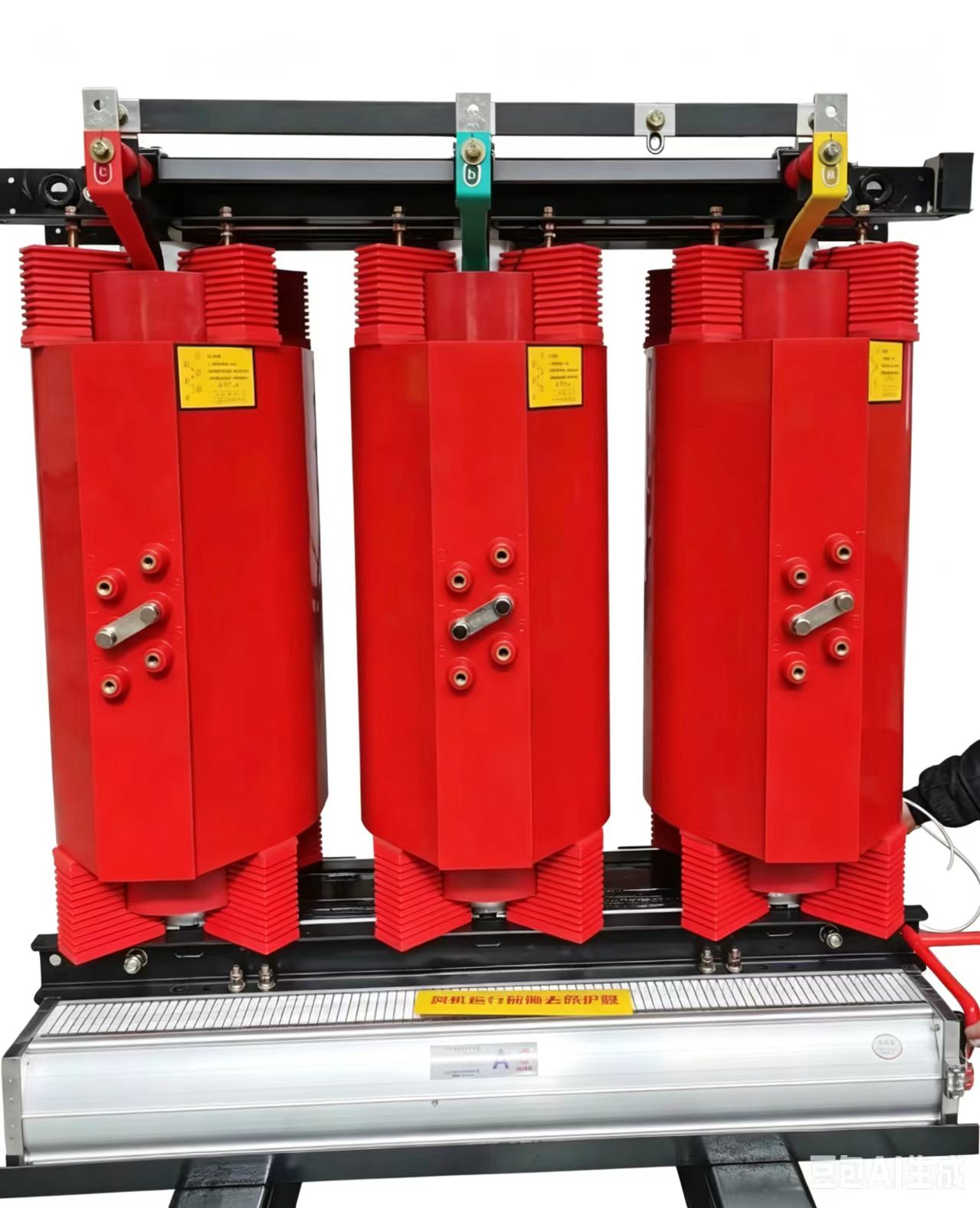
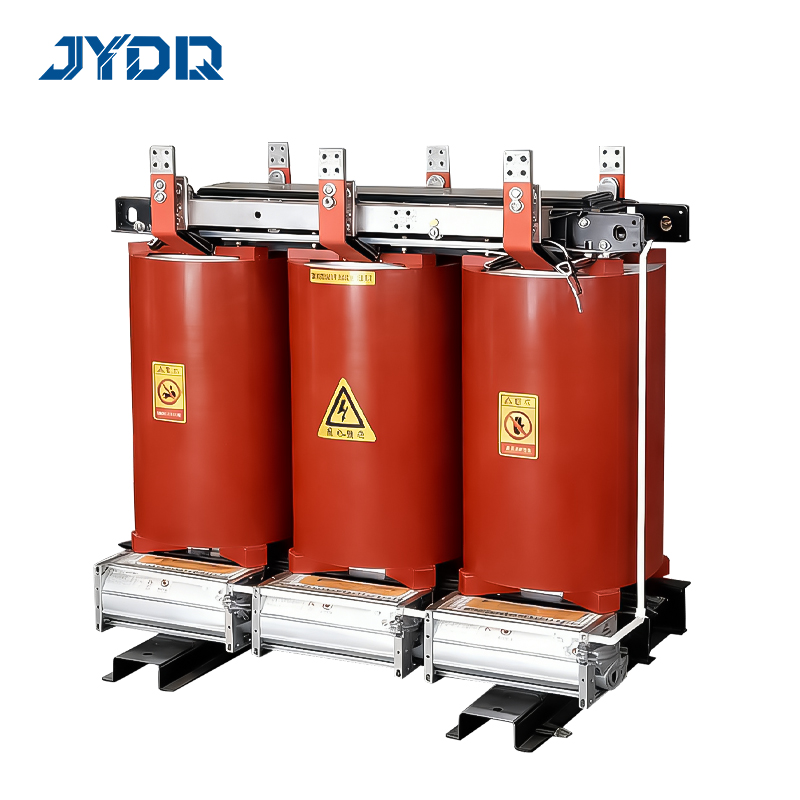
A dry-type transformer uses solid insulation materials, typically cast resin or vacuum-pressure impregnation, to cool and insulate the windings. This design eliminates the need for liquid cooling, making the transformer comparison straightforward from a maintenance perspective. Oil-immersed transformers, by contrast, rely on mineral oil as both a coolant and insulation medium, requiring sealed tanks and active cooling fans in high-load scenarios.
The cooling approach directly impacts physical footprint, noise levels, and fire safety ratings. Dry-type transformers generate minimal audible noise and dissipate heat through natural convection or forced-air cooling. Oil-immersed units require larger installations and typically produce more operational sound, especially when cooling systems activate at peak demand periods.
Safety and Environmental Compliance
Indoor installation becomes considerably simpler with a dry-type transformer because these units comply with strict fire codes without requiring special containment or ventilation. The non-flammable solid insulation eliminates environmental contamination risks associated with oil spills. Oil-immersed transformers demand secondary containment systems, regular oil testing, and environmental monitoring to meet regulatory standards and insurance requirements.
This transformer comparison reveals that dry-type designs fit naturally into crowded urban facilities, hospitals, data centers, and retrofit projects where space constraints and safety regulations are paramount. Oil-immersed options work better in outdoor substations or industrial sites with dedicated transformer stations and established containment infrastructure.
Performance, Efficiency, and Operational Considerations
Load Capacity and Thermal Management
Both transformer types deliver reliable energy conversion, but their thermal handling differs significantly. A dry-type transformer handles short-term overloads reasonably well due to solid insulation properties, though sustained high temperatures can degrade polymer components. Oil-immersed units excel at sustained heavy loads because mineral oil provides superior heat dissipation and does not age as rapidly under thermal stress.
For selection guide purposes, consider your facility's load profile. Applications with stable, moderate loads favor dry-type designs. Industries with fluctuating peak demands or frequent overload conditions may benefit from oil-immersed transformers despite their higher maintenance burden. The transformer comparison should include your historical load data to inform this decision.
Maintenance Requirements and Lifespan
Dry-type transformers require minimal maintenance because solid insulation does not degrade through oxidation like mineral oil. Scheduled inspections focus on cooling fan operation and dust accumulation on windings, tasks that fit standard facility maintenance routines. Oil-immersed units demand regular oil sampling, moisture analysis, and potential oil replacement every 5 to 10 years, adding operational complexity and expense.
Expected service life for both types extends 30 to 40 years under proper conditions, though dry-type transformers show more predictable aging characteristics. When building your transformer comparison and selection guide, factor maintenance costs into total cost of ownership calculations.
Site Integration and Cost Analysis
Installation Scenarios and Environmental Fit
Indoor installation flexibility gives dry-type transformers a significant advantage in urban environments, retrofit projects, and space-constrained facilities. These units can be placed on standard concrete pads without reinforcement, occupy less square footage, and integrate cleanly into mechanical rooms or electrical closets. Oil-immersed transformers require larger footprints, reinforced foundations, oil drainage systems, and fire-rated enclosures that consume considerably more space.
Climate conditions also influence the transformer comparison. Dry-type designs operate effectively in dusty, humid, or salt-air environments because solid insulation resists moisture ingress. Oil-immersed units in harsh environments demand additional protective measures and more frequent monitoring to prevent oxidation and contamination.
Capital and Lifecycle Cost Evaluation
Initial purchase price for oil-immersed transformers typically runs 15 to 25 percent lower than equivalent dry-type models. However, this cost advantage erodes quickly when accounting for installation complexity, containment infrastructure, and ongoing maintenance. A comprehensive selection guide must weigh upfront savings against five-year and ten-year operating costs, including staff labor, inspections, and potential emergency repairs.
Dry-type transformers show superior economics in low-maintenance environments where operational reliability and minimal downtime are priorities. The transformer comparison becomes clear when you factor in replacement oil costs, environmental remediation risks, and regulatory compliance expenses that accumulate over the unit's lifetime.
FAQ
What are the main safety advantages of dry-type transformers for indoor installation?
Dry-type transformers eliminate fire and explosion risks because solid insulation is non-flammable and non-toxic. No secondary containment, drainage systems, or environmental permits are required. This makes indoor installation simpler, faster, and more compliant with building codes. Insurance premiums are typically lower, and facility staff face fewer operational constraints during normal operation.
How does transformer comparison influence total cost of ownership?
A transformer comparison across five to ten years reveals that dry-type models often deliver lower total cost of ownership despite higher initial capital expense. Oil-immersed transformers incur costs for oil replacement, environmental monitoring, emergency maintenance, regulatory inspections, and potential spill remediation. Dry-type units require only periodic cooling system checks and basic dust removal, reducing staff labor and unexpected downtime expenses over the equipment lifecycle.
When should I select oil-immersed over dry-type transformer options?
Choose oil-immersed transformers when handling very high sustained loads, operating in established outdoor substations with existing containment infrastructure, or managing legacy systems already standardized on oil technology. Industrial applications with consistent heavy loads and dedicated maintenance teams may justify the operational complexity. For most indoor installation scenarios, modern requirements, and cost-conscious operations, dry-type transformer solutions deliver superior long-term value and regulatory alignment.

 EN