The global electrical infrastructure landscape relies heavily on two distinct design philosophies when it comes to power distribution: European-style and American-style approaches. Understanding the differences between these methodologies is crucial for utilities, contractors, and facility managers making critical infrastructure decisions. A prefabricated box-type transformer represents one of the most important components in modern electrical distribution networks, and the choice between European and American designs can significantly impact operational efficiency, maintenance requirements, and long-term costs.
Both European and American compact substation designs serve the fundamental purpose of stepping down voltage and distributing electrical power safely and reliably. However, the engineering standards, component selection, thermal management approaches, and physical configurations differ substantially. These distinctions reflect decades of regional development, varying safety regulations, climate considerations, and industrial practices. For professionals specifying or deploying substations, recognizing these differences ensures optimal performance within specific operational contexts and regulatory environments.
Design Philosophy and Configuration Differences
European Approach to Compact Substation Design
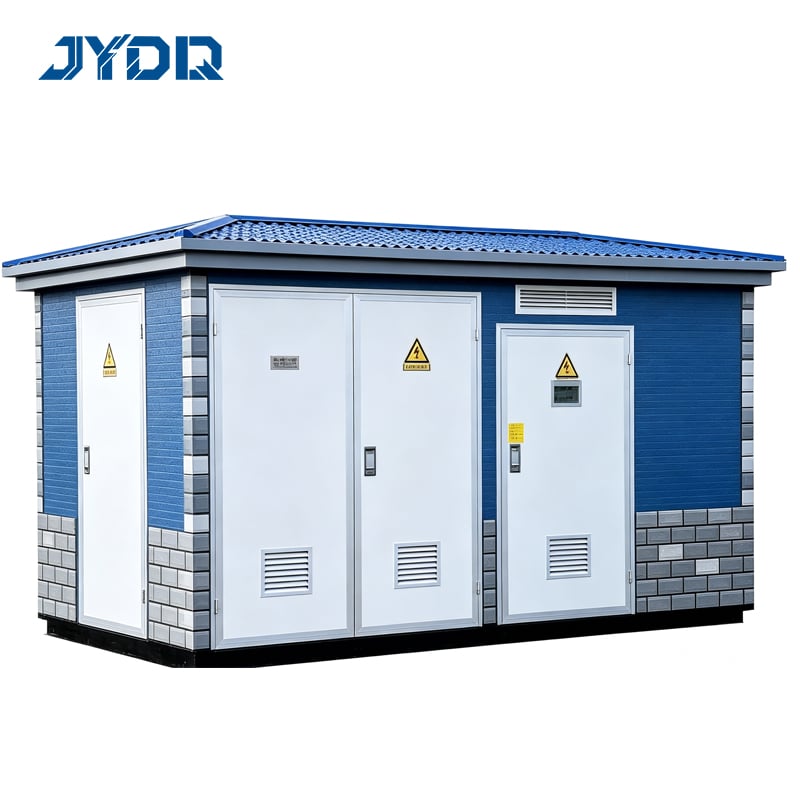
European-style compact substations prioritize modularity, space efficiency, and integration of multiple functions within a single sealed enclosure. The European design framework emphasizes compact footprints suitable for urban environments and densely populated industrial areas where real estate is at a premium. These units typically feature integrated transformer compartments, switchgear sections, and control systems housed within a unified structure. The compact substation concept originated in Europe to address space constraints while maintaining safety and reliability standards mandated by IEC (International Electrotechnical Commission) regulations.
The European style prioritizes sealed, maintenance-friendly designs with superior environmental protection. Internal component arrangement in European compact substation units emphasizes accessibility for routine inspections without requiring extensive external infrastructure. Thermal management in these units often incorporates advanced cooling strategies to handle high power density within confined spaces. The compact substation approach reduces installation footprint by approximately thirty to forty percent compared to conventional pad-mounted installations, making European designs particularly attractive for retrofitting projects and space-constrained facilities.
American Approach to Compact Substation Design
American-style substation design traditionally emphasizes modularity and flexibility with larger physical envelopes to accommodate comprehensive service accessibility. The American philosophy favors designs that allow technicians to service individual components with minimal disruption to overall system operation. This approach reflects the vast land availability across North America, where space considerations historically held less urgency than operational simplicity and maintenance accessibility. American standards, governed primarily by ANSI (American National Standards Institute) and IEEE guidelines, provide specifications that support these design preferences.
American compact substation configurations often feature compartmentalized layouts where transformer sections, switchgear units, and control systems maintain greater physical separation. This design strategy simplifies component replacement and reduces downtime during maintenance activities. The American style typically incorporates more generous ventilation pathways and larger access panels, reflecting engineering priorities centered on technician convenience and operational flexibility. While these European style and American style differences may result in larger overall dimensions, American designs often deliver superior long-term maintainability characteristics valued in utility operations.
Technical Specifications and Performance Metrics
Voltage Ratings and Transformer Specifications
European compact substation units commonly operate within voltage ranges standardized by IEC protocols, typically featuring primary voltages such as six, ten, twenty, and thirty-three kilovolts. Secondary voltage outputs in European designs standardize around four hundred and thirty volts, aligning with continental European distribution networks. The prefabricated box-type transformer cores used in European substations undergo rigorous testing protocols emphasizing efficiency and thermal stability. European standards mandate superior insulation systems and component quality metrics that often exceed American minimum requirements.
American substation specifications frequently align with ANSI voltage standards, commonly featuring primary voltages of four-point-one through thirty-four-point-five kilovolts. Secondary voltage outputs typically standardize at four hundred and eighty volts in American systems, reflecting North American electrical distribution conventions. American compact substation transformers prioritize rugged construction suitable for diverse climate conditions across the continent. The tolerance specifications and operational margins in American designs reflect different assumptions about maintenance frequency and environmental stress factors.
Cooling and Thermal Management Systems
European-style compact substations employ sophisticated passive and active cooling mechanisms designed for high power density operation. Many European units feature forced-air cooling systems with thermostatic controls that automatically adjust ventilation rates based on internal temperatures. The sealed enclosure design of European compact substation units requires careful thermal engineering to prevent localized hot spots. Integrated cooling systems represent a significant engineering achievement in European substation design, enabling higher transformer capacity within smaller physical footprints.
American substation thermal management typically relies on natural ventilation through generous louver arrays and internal air circulation patterns. The compartmentalized layout of American designs naturally facilitates convective cooling without requiring active mechanical systems in many applications. American compact substation engineers prioritize simplicity and reduced maintenance requirements when selecting cooling approaches. This philosophical difference results in lower operational complexity but generally requires larger physical dimensions to achieve equivalent cooling capacity compared to European compact substation designs.
Safety Standards, Regulatory Compliance, and Installation Considerations
Regulatory Frameworks and Safety Requirements
European substation designs comply with comprehensive IEC standards governing electrical safety, environmental protection, and operational reliability. IEC protocols mandate rigorous testing procedures for insulation systems, grounding configurations, and fault protection mechanisms. European compact substation installations must satisfy strict European Union environmental directives addressing noise emissions, oil containment, and electromagnetic compatibility. These regulatory requirements have shaped European design methodologies, resulting in products engineered specifically to exceed baseline safety minimums.
American installations follow ANSI and IEEE standards that emphasize operational safety and equipment protection through different design approaches. American standards provide robust safety frameworks but generally allow greater design flexibility than European equivalents. American compact substation regulations focus heavily on protection device coordination and short-circuit withstand capabilities. Utilities selecting between European style and American style installations must ensure chosen designs satisfy their specific regulatory jurisdiction requirements, whether national, state, or local.
Installation, Deployment, and Operational Factors
European compact substation units ship as fully integrated, factory-tested assemblies ready for rapid field deployment. The prefabricated box-type transformer configuration minimizes on-site assembly requirements, reducing installation timelines and associated labor expenses. European designs accommodate rooftop, underground, and pad-mounted installation scenarios through sealed enclosure engineering. The compact substation concept enables utilities to pre-position units before permanent infrastructure connections, accelerating project completion schedules.
American substation deployment typically involves more extensive on-site assembly and configuration activities. Technicians often require greater access space to complete final connections and system testing procedures. American compact substation installations frequently demand more rigorous environmental preparation and foundation work. The modular American design approach simplifies future upgrades and component changes, supporting long-term operational flexibility. European style and American style selection ultimately depends on project-specific timelines, available installation space, and operational priorities across the equipment lifecycle.
FAQ
What makes a prefabricated box-type transformer different from traditional substation designs?
A prefabricated box-type transformer integrates transformer, switchgear, and control systems within a single sealed enclosure, eliminating the need for multiple separate installations. This approach accelerates deployment, reduces installation costs, and simplifies maintenance compared to traditional open-air substation configurations. The compact substation concept delivers superior environmental protection, noise reduction, and safety features, making prefabricated units ideal for urban facilities and space-constrained applications.
How does compact substation design impact total cost of ownership?
European style compact substation designs often deliver lower total cost of ownership through reduced installation labor, minimal on-site assembly requirements, and predictable maintenance schedules. The sealed enclosure design protects components from environmental degradation, extending equipment lifespan and reducing replacement frequency. American style approaches may offer lower initial purchase prices but require more extensive installation investments and greater ongoing maintenance expenses. Long-term cost analysis typically favors European compact substation approaches, particularly in applications prioritizing rapid deployment and minimal maintenance overhead.
Which substation style better suits renewable energy applications?
European style compact substations excel in renewable energy installations due to modular design flexibility, rapid deployment capabilities, and sophisticated fault protection coordination. The compact substation concept accommodates variable power inputs and multiple generator connections common in distributed renewable systems. American style designs also support renewable applications but generally require more extensive infrastructure modifications. European compact substation technology particularly suits solar farms, wind installations, and energy storage facilities where rapid commissioning and flexible configuration deliver competitive advantages.

 EN