Selecting the right vacuum circuit breaker configuration is a critical decision for industrial facilities and utility operations. The choice between fixed and drawout designs fundamentally affects installation complexity, maintenance accessibility, operational flexibility, and long-term cost implications. Both configurations employ vacuum technology for arc extinction, but their structural deployment models serve different operational requirements and facility constraints.
Understanding the distinction between fixed VCB and drawout VCB designs requires examining their mechanical architecture, installation methodology, and operational advantages. Each configuration addresses specific switchgear deployment scenarios, and misalignment between your facility requirements and the chosen design can result in operational bottlenecks, extended downtime during maintenance, and inefficient capital utilization. This guide examines the core differences to help you make an informed procurement decision aligned with your electrical infrastructure goals.
Fixed VCB Architecture and Installation Model
Permanent Panel Integration
Fixed VCB units are permanently mounted within the switchgear panel and cannot be removed without significant structural modification or complete panel disassembly. This configuration integrates the vacuum circuit breaker directly into the bus framework, creating a compact, space-efficient installation. The fixed design minimizes footprint requirements, making it ideal for facilities with limited cabinet space or constrained electrical rooms. Installation occurs during initial switchgear assembly, and the unit remains in place for its entire operational life unless replacement becomes necessary.
Maintenance Implications
Servicing a fixed VCB requires either partial panel shutdown or complete isolation of the switchgear assembly. Technicians must access the unit from the front or side of the panel, depending on mounting orientation and accessibility provisions. Maintenance intervals become more disruptive because ongoing operations cannot proceed during service windows. Replacement involves removing fasteners, disconnecting internal bus connections, and installing a new vacuum circuit breaker while managing complex reconnection procedures. This approach increases service time and operational risk, particularly in facilities operating on continuous-duty cycles where downtime carries substantial cost penalties.
Drawout VCB Configuration and Extraction Method
Slide-Out Mechanical Design
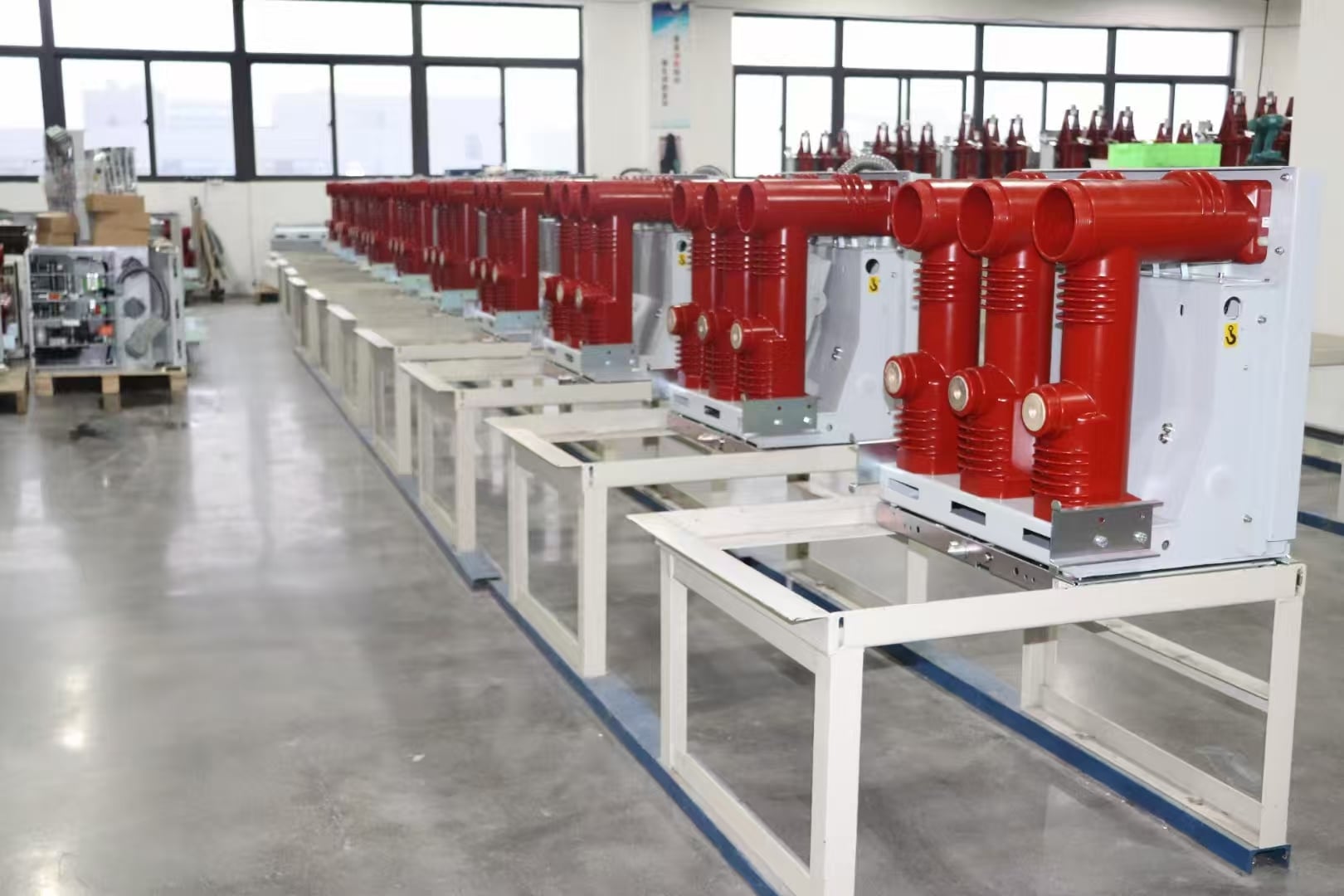
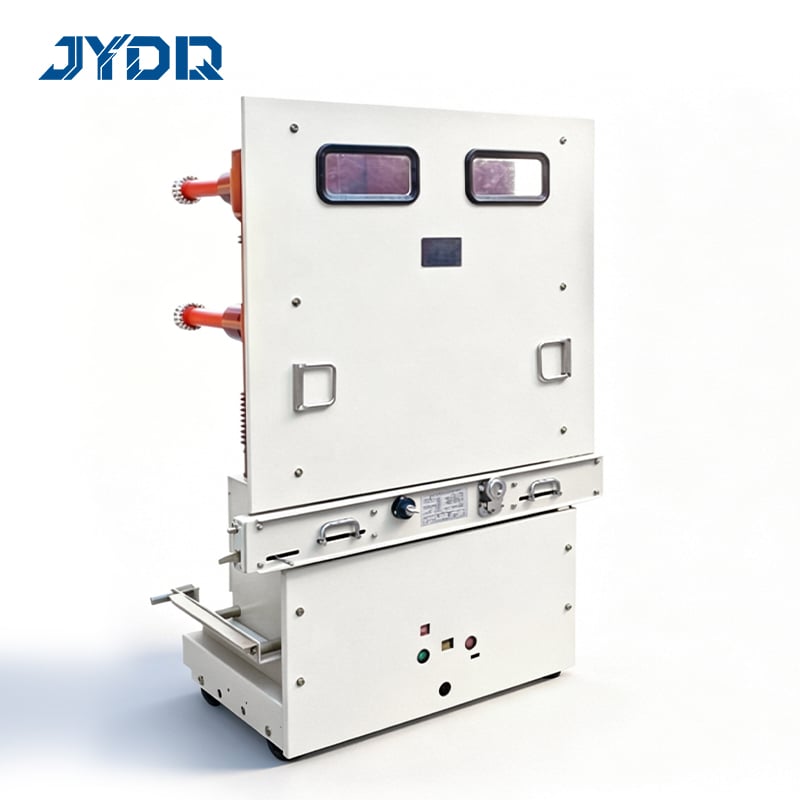
Drawout VCB units feature a mechanical carriage system that permits extraction from the switchgear panel while maintaining external connections in their operating positions. The vacuum circuit breaker slides on precision rails or guides that align with stationary bus contacts. This configuration enables full removal without disrupting the panel structure or permanently disconnecting internal wiring. Drawout designs typically include mechanical interlocks that prevent unit extraction during energized operation, enhancing safety and preventing accidental disconnection under load conditions. The drawout VCB carriage system maintains proper contact pressure and alignment throughout the extraction and reinsertion process.
Hot-Swap Capability and Operational Continuity
The primary advantage of drawout VCB architecture lies in its capacity for rapid replacement with minimal operational disruption. Once the unit is isolated through its own mechanism or through upstream isolation devices, the drawout configuration permits extraction and installation of replacement equipment within minutes rather than hours. This capability proves invaluable in facilities operating multiple circuits where selective circuit isolation permits continued operations in non-affected zones. The switchgear continues functioning for other protected loads while the drawout VCB undergoes service, maintenance, or replacement. This operational flexibility significantly reduces unplanned downtime costs and improves facility reliability metrics.
Switchgear Considerations and Selection Criteria
Capital Cost versus Operational Value
Fixed VCB switchgear typically carries lower initial acquisition costs because the configuration eliminates expensive mechanical carriage systems and precision guiding infrastructure. Drawout VCB installations require additional mechanical components, higher manufacturing precision, and more complex assembly processes, resulting in higher switchgear pricing. However, the lower capital cost of fixed designs must be evaluated against operational costs over the equipment lifecycle. Facilities experiencing frequent maintenance cycles, operating under strict uptime requirements, or managing critical loads often justify the higher switchgear investment required for drawout VCB capability because the operational savings exceed the initial price premium within three to five years.
Facility-Specific Requirements
Selection between fixed and drawout configurations depends on specific operational constraints and facility characteristics. Facilities with abundant space, lower uptime criticality, and infrequent maintenance requirements typically benefit from fixed VCB economy. Utilities, data centers, hospitals, manufacturing operations, and other mission-critical facilities generally require drawout VCB switchgear to maintain service continuity during maintenance events. The vacuum circuit breaker selection process must account for fault interruption ratings, voltage classifications, current ratings, and specific switchgear architecture requirements alongside the fixed versus drawout decision. Environmental conditions, ambient temperature ranges, altitude derating factors, and potential contamination exposure also influence the switchgear specification independent of the fixed or drawout designation.
Future Scalability and System Evolution
Drawout VCB systems offer superior adaptability when facilities anticipate future upgrades, capacity expansions, or equipment changes. The modular carriage design permits straightforward unit replacement with alternative vacuum circuit breaker specifications, voltage ratings, or current capacities without structural modification. Fixed designs typically require complete switchgear replacement to accommodate specification changes, creating capital inefficiency and extended replacement timelines. Organizations planning long-term facility evolution toward increased load capacity, additional circuits, or enhanced protection requirements frequently select drawout switchgear configurations to preserve future flexibility and minimize replacement costs as operational demands evolve.
FAQ
Can drawout VCB designs be retrofitted into existing fixed switchgear installations?
Retrofitting drawout vacuum circuit breaker systems into existing fixed switchgear is generally not practical due to fundamental structural differences in panel design, bus configuration, and mechanical guiding systems. The fixed design lacks the precision rails, mechanical interlocks, and alignment provisions required for drawout operation. Retrofit efforts would necessitate panel reconstruction approaching the cost of replacement switchgear, making new drawout equipment acquisition more economical. New installations should incorporate drawout VCB architecture if future flexibility and reduced maintenance downtime represent strategic priorities.
What maintenance frequency differences exist between fixed and drawout VCB configurations?
Fixed VCB and drawout VCB units require equivalent preventive maintenance intervals based on their vacuum circuit breaker technology and operational duty cycles rather than their mounting configuration. However, drawout designs enable faster execution of scheduled maintenance because technicians can extract the unit for off-panel service while the switchgear remains partially operational. This capability reduces facility downtime per maintenance cycle even though the total maintenance frequency remains consistent. Unplanned maintenance events also resolve faster with drawout configurations because replacement units install rapidly without requiring extended panel outages.
How does the choice between fixed VCB and drawout VCB affect total cost of ownership?
Total cost of ownership for fixed VCB switchgear appears favorable initially due to lower capital costs, but operational expenses often reverse this advantage over extended equipment lifespans. Facilities experiencing high-frequency maintenance, operating under strict uptime requirements, or managing critical load protection justify higher drawout VCB switchgear investments through cumulative operational savings, reduced unplanned downtime costs, and improved production continuity. Industrial facilities should calculate lifecycle costs over ten to fifteen years, accounting for maintenance labor expenses, unplanned downtime consequences, and potential capacity expansion requirements before making final switchgear selections between fixed and drawout vacuum circuit breaker configurations.

 EN