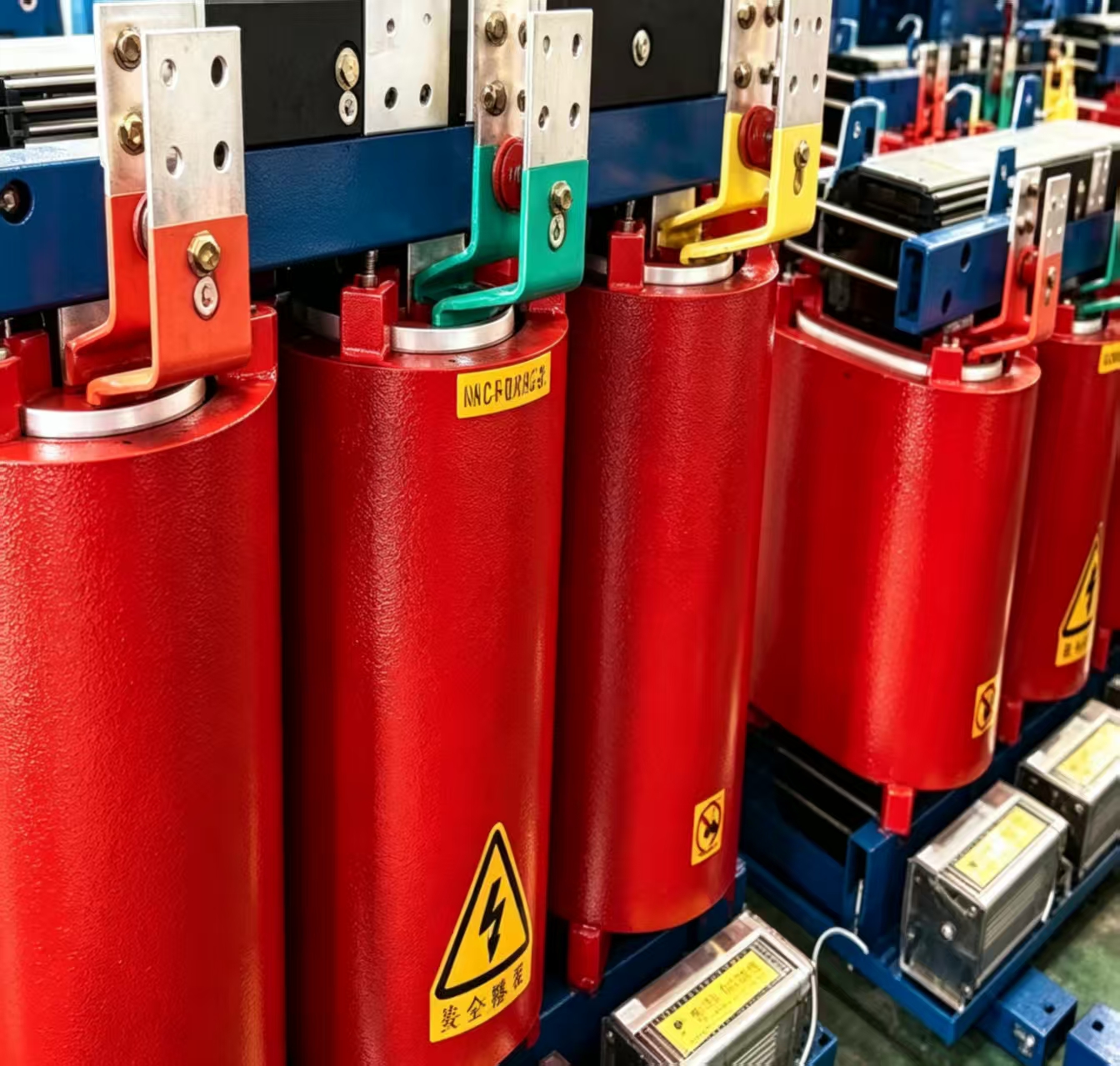
The design of cable entry systems plays a critical role in determining the success of any prefabricated box-type transformer installation. When engineers and project managers evaluate how to deploy a prefabricated box-type transformer, they must carefully consider the cable entry configuration, as this directly influences installation timelines, operational safety, and long-term maintenance accessibility. Cable entry design encompasses the pathways, conduit arrangements, termination points, and protective mechanisms through which electrical conductors connect to the transformer unit.
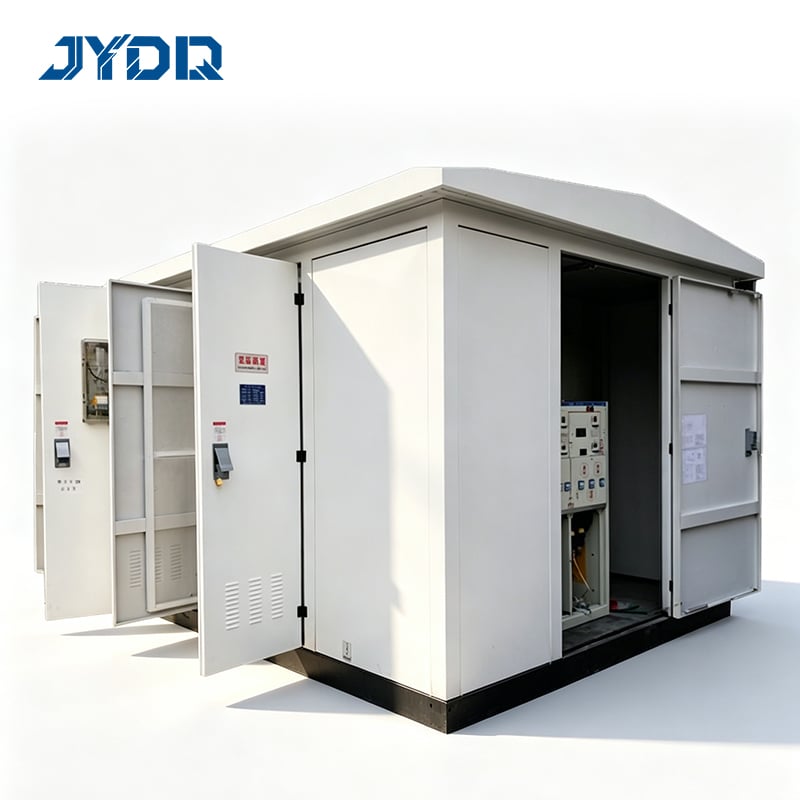
Proper cable entry design directly affects the installation speed, environmental protection, and operational reliability of the entire substation layout. When cable entry pathways are thoughtfully engineered, technicians can complete the installation process more quickly, reduce field modifications, and minimize the risk of damage to both the transformer and the connected conductors. Understanding how cable entry design influences these factors helps stakeholders make informed decisions during the planning and procurement phases of substation projects.
Cable Entry Configuration and Installation Efficiency
Impact on Installation Timelines and Labor Requirements
The layout and accessibility of cable entry points directly determine how quickly installation teams can connect conductors to the prefabricated box-type transformer. When cable entry locations are positioned thoughtfully within the substation layout, workers can approach termination points safely and efficiently without requiring additional scaffolding or extended setup time. Well-designed cable entry configurations reduce the need for post-installation adjustments and field modifications, which can add weeks to project schedules and increase labor costs significantly.
Poor cable entry design often forces installation crews to work in confined spaces or awkward positions, extending labor requirements and increasing safety risks. Conversely, cable entry systems that feature accessible entry points, clear labeling, and logical conductor routing enable faster, more reliable connections. Projects that prioritize intelligent cable entry design consistently report shorter installation windows and lower overall labor expenses.
Pre-Fabrication Benefits and Field Coordination
One primary advantage of choosing a prefabricated box-type transformer is the ability to conduct critical assembly work in controlled factory environments rather than on-site. Cable entry pre-wiring, conduit preparation, and termination layouts can be completed before the unit arrives at the job site, provided the cable entry design accommodates this level of preparation. This approach reduces field installation complexity and minimizes coordination challenges between the transformer delivery and the cable routing schedule for the substation layout.
When cable entry design is finalized early in the engineering phase, suppliers can prepare the transformer unit with cable entry pathways, grounding provisions, and protective sleeves already in place. This reduces the number of tasks that must occur on-site and ensures that installation follows a streamlined, repeatable process.
Environmental Protection and Cable Entry Integrity
Weatherproofing and Contamination Prevention
Cable entry design must account for environmental exposure, moisture ingress, and contaminant infiltration in the substation layout. A well-engineered cable entry system incorporates sealed entry points, drip loops, and cable glands that prevent water from traveling along conductors into the transformer cabinet. For prefabricated box-type transformer units deployed in outdoor or semi-exposed environments, cable entry design becomes a primary defense against corrosion, electrical faults, and premature equipment failure.
Entry design considerations include proper slope angles for cable runs, sealed entry glands rated for outdoor conditions, and protective conduit configurations that direct water away from termination areas. These details are often overlooked in installations where cable entry design was not thoroughly planned, resulting in field modifications and increased maintenance burden over the transformer's operational life.
Mechanical Protection and Cable Routing Robustness
Cable entry design must also address mechanical stresses, vibration, and physical damage risks within the substation layout. Conduit routing, cable support intervals, and entry point reinforcement all contribute to protecting conductors from tension, abrasion, and accidental contact. A prefabricated box-type transformer with robust cable entry design minimizes the risk of conductor damage during installation, operation, and maintenance activities.
Cables that enter the transformer through poorly designed access points may experience bending stress, insulation abrasion, or inadequate strain relief. Over time, these mechanical challenges can degrade conductor insulation and create electrical faults. Thoughtful cable entry design incorporates protective conduit sleeves, proper bend radius management, and secure attachment points to ensure long-term reliability.
Substation Layout Optimization and Operational Accessibility
Space Planning and Conductor Routing Efficiency
Effective substation layout planning requires careful coordination between the transformer footprint, cable entry points, and the surrounding equipment arrangement. Cable entry design influences whether conductors can be routed efficiently through the substation without excessive bending, crossing, or territorial conflicts with other infrastructure. A prefabricated box-type transformer positioned with cable entry points on accessible sides of the unit simplifies the overall substation layout and reduces the total conduit run length required.
When cable entry design is integrated into the substation layout from the earliest planning stages, engineers can optimize conductor routing paths, minimize equipment crowding, and create safer working environments for maintenance personnel. This holistic approach contrasts with installations where transformer placement and cable entry design are treated as separate considerations, often resulting in cramped, inefficient layouts and difficult future maintenance.
Maintenance Access and Future Modifications
Throughout the operational life of the substation, maintenance technicians must access cable terminations, perform conductor inspections, and potentially upgrade or replace cables. Cable entry design that prioritizes accessibility ensures that these routine tasks can be completed quickly and safely without requiring major substation reconfiguration. A prefabricated box-type transformer with well-designed cable entry provisions supports flexible future modifications and reduces long-term maintenance costs.
Poor cable entry design can trap cables in difficult-to-reach locations, making routine inspections challenging and increasing the risk of overlooked degradation. In contrast, thoughtful cable entry configuration preserves access corridors, maintains clear sight lines to termination points, and facilitates rapid response to operational issues.
FAQ
How does cable entry design influence the choice between different prefabricated box-type transformer models?
Cable entry design is often a primary differentiator between transformer models. When evaluating different prefabricated box-type transformer units, engineers should assess entry point locations, the range of supported cable sizes, pre-installed glands or adapters, and compatibility with planned substation layout configurations. Selecting a transformer model with cable entry design that matches your installation environment and conductor specifications eliminates costly field modifications and accelerates the deployment timeline.
What cable entry standards should be verified before purchasing a prefabricated box-type transformer?
Verify that cable entry design complies with relevant electrical codes, environmental ratings, and industry standards such as IEC, ANSI, or regional requirements. Confirm that entry glands are rated for the expected environmental conditions, that conduit sizes accommodate your planned conductor gauges, and that the installation design has been validated by a qualified engineer. Documentation should clearly specify entry point dimensions, protection levels, and assembly procedures for your specific substation layout.
Can cable entry design be modified after a prefabricated box-type transformer is delivered to the job site?
While some cable entry modifications are possible on-site, they typically increase costs, delay installation, and may compromise equipment safety or warranty coverage. Modifying the prefabricated box-type transformer after delivery to accommodate different cable entry requirements is far more expensive than selecting the correct model during the procurement phase. Planning cable entry design requirements thoroughly before purchasing the transformer ensures alignment with your substation layout and prevents costly on-site rework.

 EN