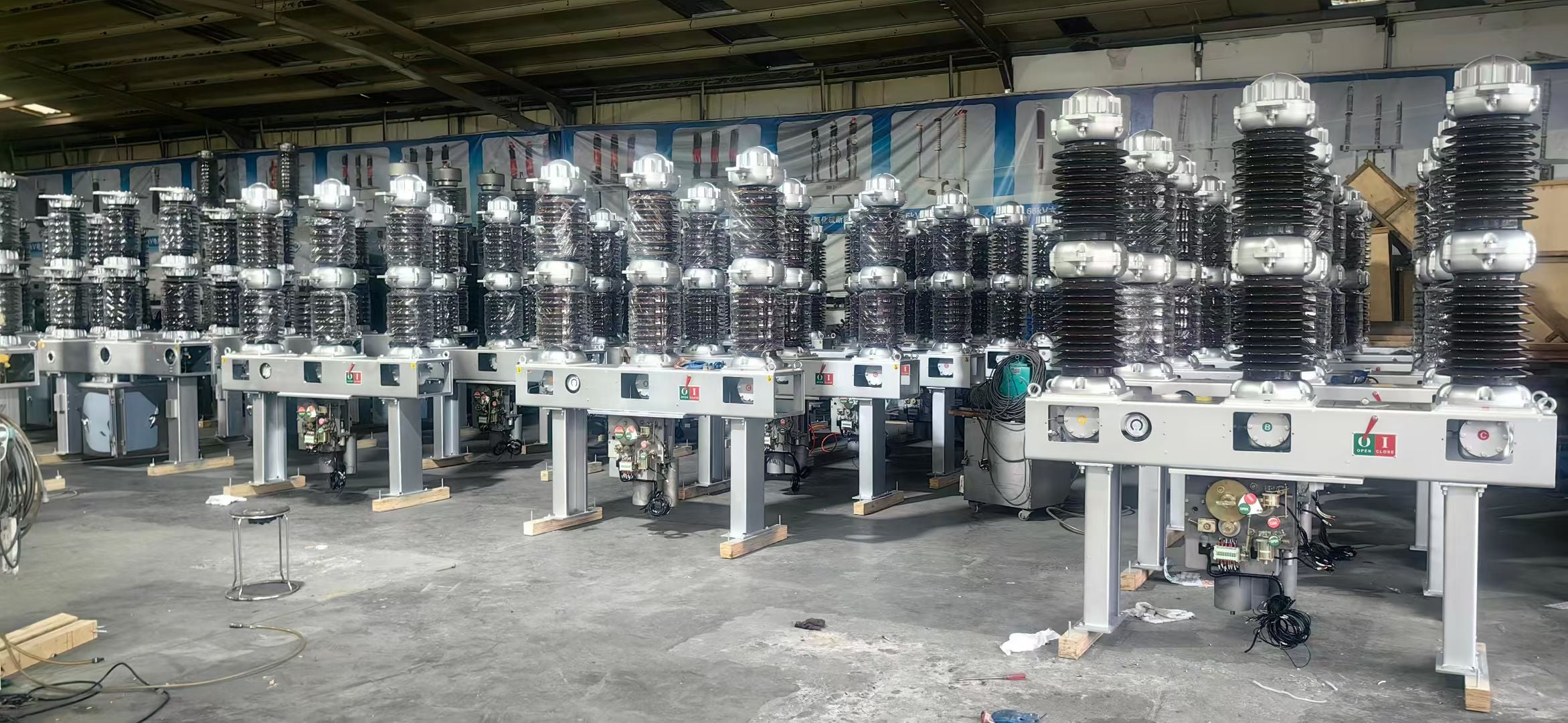
A vacuum circuit breaker is critical infrastructure in electrical distribution systems, protecting equipment from overcurrent, short circuits, and fault conditions. Understanding the health and operational reliability of a vacuum circuit breaker requires systematic evaluation, and timing tests represent one of the most effective methods for condition assessment. These tests measure how quickly the breaker responds to fault conditions, revealing degradation in mechanical components, contacts, and operating mechanisms that could compromise safety and performance.
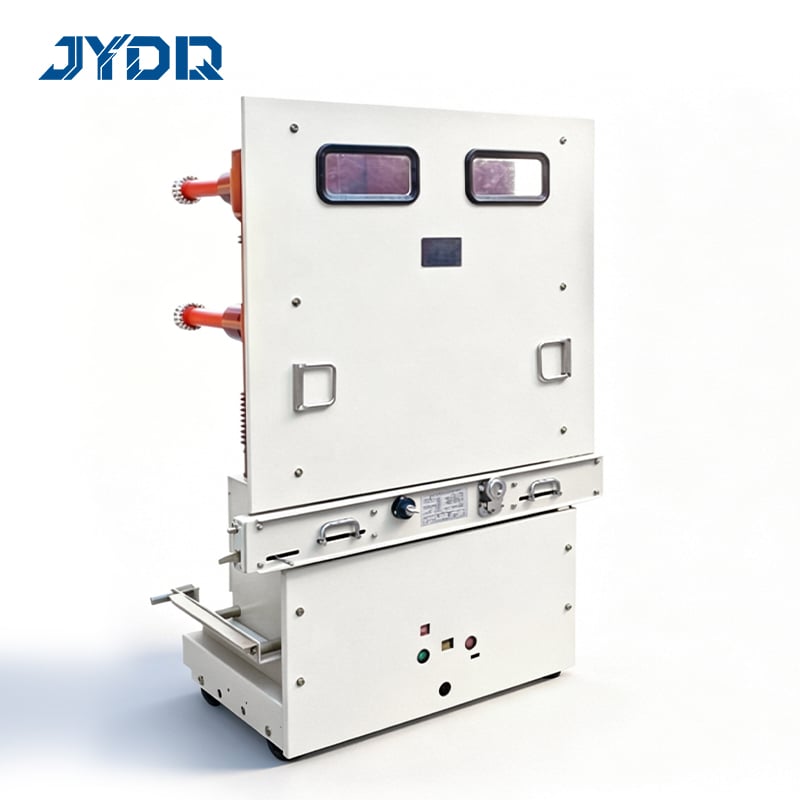
Timing test methods provide objective, measurable data about VCB performance without requiring disassembly or invasive inspection. By evaluating the opening and closing times of a vacuum circuit breaker under controlled conditions, technicians and engineers can identify when maintenance is necessary, predict remaining service life, and prevent unexpected failures. This condition assessment approach has become industry standard for electrical utilities, industrial facilities, and power transmission operators who depend on reliable fault protection.
Why Timing Tests Matter for Vacuum Circuit Breaker Condition Assessment
Timing tests are fundamental to understanding vacuum circuit breaker health because they directly measure the speed and consistency of mechanical response. When a vacuum circuit breaker ages, internal components—including contacts, springs, and the operating mechanism—gradually wear. Timing test data reveals these changes before catastrophic failure occurs. The opening time of a vacuum circuit breaker indicates how quickly contacts separate during a fault, while closing time reflects the reliability of the latching and engagement mechanisms.
Mechanical Degradation Detection
Vacuum circuit breaker contacts deteriorate through erosion, welding, and material transfer during normal switching operations. A timing test shows whether the VCB operates within manufacturer specifications or exhibits delays that signal contact degradation. When contact surfaces wear unevenly, the vacuum circuit breaker may experience slower opening times, reducing its ability to interrupt faults quickly. Condition assessment through timing tests allows operators to schedule maintenance before these delays reach dangerous levels.
Contact and Spring Performance Tracking
The springs and latching mechanisms inside a vacuum circuit breaker must maintain precise tensions to function reliably. Over time, spring force decreases through stress relaxation and corrosion. Timing tests quantify this performance loss by measuring whether the VCB closing time remains consistent across multiple operations. A condition assessment showing increasing closing times suggests spring degradation, prompting replacement before the vacuum circuit breaker fails to latch properly during a fault.
How to Perform Timing Tests on Vacuum Circuit Breakers
Executing a timing test on a vacuum circuit breaker requires specialized equipment, trained personnel, and adherence to safety protocols. The process begins with disconnecting the breaker from live power, allowing safe measurement without energization hazards. Technicians connect timing test devices to measure the interval between the initiation of a command signal and the actual movement of contacts, providing precise millisecond-level data for condition assessment of the VCB.
Equipment Setup and Measurement Protocol
A typical timing test setup includes a test controller, contact position sensors, and data logging equipment designed specifically for vacuum circuit breaker evaluation. The technician initiates an opening or closing command and records the exact time when the mechanism begins moving and when contacts fully separate or close. For accurate condition assessment, timing tests are repeated multiple times on the same VCB to establish performance trends. Variations between successive tests of a vacuum circuit breaker indicate mechanical inconsistency and potential reliability issues.
Interpreting Timing Test Results
Manufacturers publish timing specifications for each vacuum circuit breaker model, detailing acceptable opening and closing times. During condition assessment, technicians compare measured times against these standards and historical baseline data. A vacuum circuit breaker showing opening times significantly slower than specification suggests contact wear or mechanical binding. When timing test results approach or exceed manufacturer limits, the VCB requires maintenance or replacement to maintain reliable protection performance.
Condition Assessment Standards and Maintenance Decisions
Industry standards guide interpretation of timing test results for vacuum circuit breaker condition assessment. IEEE standards and manufacturer guidelines establish acceptable time ranges, helping operators determine when a VCB remains fit for service and when intervention is necessary. A comprehensive condition assessment integrates timing test data with visual inspection, insulation resistance measurements, and operational history to develop a complete picture of vacuum circuit breaker reliability.
Predictive Maintenance Strategy
Timing tests enable predictive maintenance by tracking how VCB performance changes over months or years. If a vacuum circuit breaker shows gradual increases in opening time during successive timing tests, maintenance can be scheduled proactively rather than waiting for failure. This condition assessment approach reduces unplanned downtime and extends the service life of the vacuum circuit breaker through targeted intervention at the optimal time.
End-of-Life Determination
When timing tests reveal that a vacuum circuit breaker can no longer meet performance specifications, end-of-life determination guides replacement decisions. A VCB consistently failing timing test thresholds should be retired regardless of age, as continued operation risks inadequate fault protection. Condition assessment through timing tests ensures operators make informed decisions about vacuum circuit breaker replacement, balancing safety requirements against equipment investment costs.
FAQ
How often should vacuum circuit breaker timing tests be performed?
Timing test frequency depends on the criticality of the installation and operational demands on the vacuum circuit breaker. High-voltage transmission equipment typically undergoes timing tests annually or biennially, while industrial VCBs in harsh environments may require more frequent evaluation. Condition assessment intervals should be established during initial commissioning and adjusted based on how timing test results evolve over time.
Can timing tests be performed without removing the vacuum circuit breaker from service?
Most timing tests on a vacuum circuit breaker require isolation from energized systems for safety reasons. Some modern VCB designs include integrated testing interfaces that enable limited condition assessment without full disconnection, but comprehensive timing tests typically require the vacuum circuit breaker to be de-energized and removed from the circuit to ensure technician safety and measurement accuracy.
What does a failing timing test mean for vacuum circuit breaker operation?
A failing timing test indicates that the vacuum circuit breaker response time exceeds acceptable limits, potentially compromising fault interruption capability. This condition assessment finding suggests mechanical wear, contact degradation, or spring tension loss within the VCB. The specific implications depend on whether opening or closing times fail; opening time failures pose greater safety risk because slower fault interruption increases damage and injury potential.

 EN