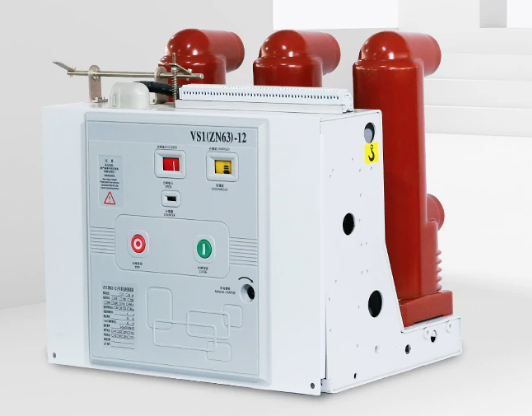
Selecting the right sf6 ckt breaker for transformer protection is one of the most critical decisions in electrical power system design. The breaker must reliably interrupt fault currents, protect connected equipment, and maintain operational stability under demanding conditions. Without proper breaker selection, transformers face unnecessary risk of damage, and the entire distribution network becomes vulnerable to cascading failures. Understanding the technical requirements and performance criteria for an sf6 ckt breaker ensures that your transformer protection system meets industry standards and operational demands.
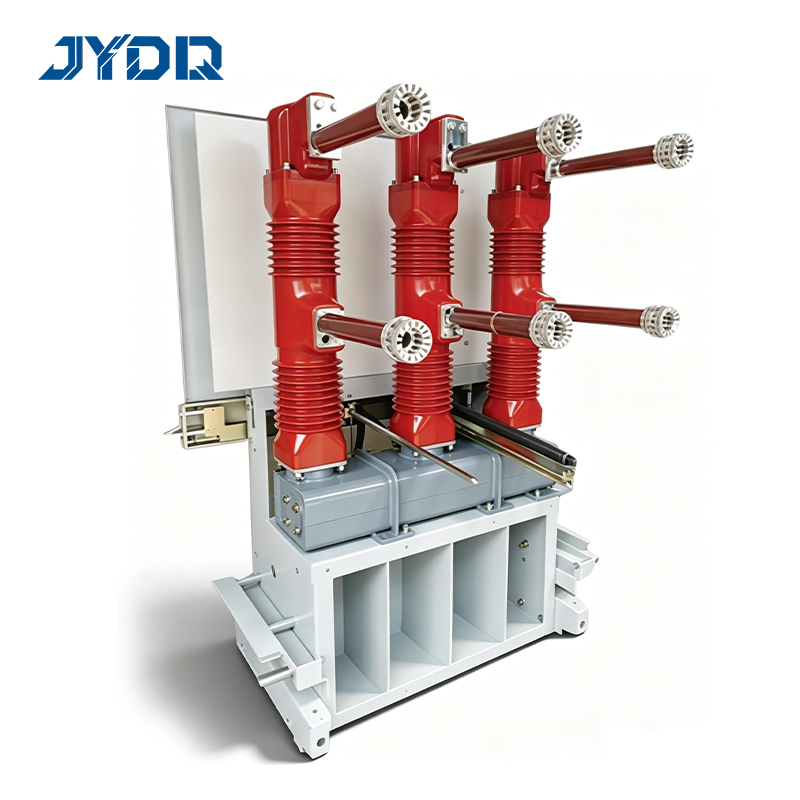
Transformer protection requires a carefully engineered approach that integrates mechanical and electrical performance. The sf6 ckt breaker serves as the primary defense mechanism, working in conjunction with protective relays and sensing equipment to detect faults and isolate faulty equipment before damage spreads. The breaker selection process must account for voltage ratings, fault current capacity, response time, and compatibility with existing relay systems. This comprehensive guide explores the key factors that influence breaker selection for transformer protection and provides practical insights for specification and implementation.
Understanding Transformer Protection Requirements
Voltage and Current Rating Fundamentals
Every transformer protection system begins with accurate voltage and current ratings. The sf6 ckt breaker must be rated for the nominal voltage of your distribution network, whether it operates at medium voltage, high voltage, or extra-high voltage levels. Current ratings must accommodate peak load conditions and enable proper relay coordination. An undersized breaker creates fire hazard and operational risk, while an oversized breaker may not respond quickly enough during faults. Transformer protection demands precision in these foundational specifications to ensure the breaker functions within its design envelope.
Fault Current Calculation and Capacity
Calculating available fault current at the breaker location is essential for breaker selection. The sf6 ckt breaker must have interrupting capacity that exceeds the maximum symmetrical fault current that could flow under worst-case conditions. Transformer protection standards require this margin to ensure the breaker can safely extinguish the arc without material damage or partial failures. Modern power systems often have higher fault currents than older installations, making recalculation necessary when upgrading transformer protection systems. Engineers must account for multiple generation sources, parallel feeders, and network configuration changes that affect available fault current.
Breaker Selection Criteria for Transformer Systems
Operating Mechanism and Response Speed
The operating mechanism of an sf6 ckt breaker directly influences how quickly transformer protection activates during faults. Hydraulic mechanisms, spring-assisted designs, and electronic trip devices each offer different response characteristics. Transformer protection requires fast operating breakers to minimize damage during high-energy fault events. Response time typically ranges from 40 to 100 milliseconds depending on breaker type and mechanism design. Coordination with relay systems ensures the breaker responds appropriately to different fault scenarios. Electronic mechanisms offer faster, more consistent response than older mechanical designs, improving overall transformer protection reliability.
Relay Coordination and Protection Logic
Protecting a transformer effectively requires seamless integration between the sf6 ckt breaker and the relay protection system. The relay receives signals from current transformers and voltage sensors, then sends trip commands to the breaker when faults are detected. Breaker selection must ensure the relay interface is compatible and communication is reliable. Instantaneous trips handle severe faults requiring immediate isolation, while time-delay trips allow coordination with upstream and downstream equipment. Transformer protection schemes often employ multiple relay functions including overcurrent, differential, thermal overload, and gas accumulation detection. The sf6 ckt breaker must reliably execute all trip commands from the protective relay regardless of operating conditions.
Practical Implementation and Performance Standards
Environmental and Maintenance Considerations
The sf6 ckt breaker's operating environment directly affects long-term transformer protection performance. Temperature extremes, humidity, altitude, and air quality all influence breaker reliability and maintenance requirements. SF6 gas insulation provides excellent dielectric properties and thermal stability across wide temperature ranges. Transformer protection systems installed in harsh environments benefit from SF6 insulation characteristics that resist moisture and contamination. Regular maintenance of the sf6 ckt breaker includes gas purity testing, mechanical mechanism inspection, and electrical contact verification. Environmental compliance for SF6 equipment includes proper handling during installation, maintenance, and eventual decommissioning.
Standards, Testing, and Certification
Breaker selection for transformer protection must comply with relevant international and regional standards. IEC, ANSI, and other standards organizations specify performance requirements, testing procedures, and certification criteria for circuit breakers used in protection applications. The sf6 ckt breaker must pass factory acceptance tests including dielectric strength testing, mechanical cycle testing, and trip time verification. Type tests on representative breaker units establish performance baseline and design suitability. Transformer protection systems require certified equipment with documented performance to ensure reliability during actual fault events. Third-party certification provides independent verification that the sf6 ckt breaker meets all applicable standards and design requirements.
FAQ
What interrupting capacity should an sf6 ckt breaker have for transformer protection?
The sf6 ckt breaker's interrupting capacity must exceed the maximum symmetrical fault current available at its location. Calculate fault current based on transformer impedance, primary source impedance, and network configuration. Include asymmetrical components in your analysis and apply a safety margin recommended by industry standards. Transformer protection requires this capability to ensure safe arc extinction without equipment damage or personnel hazard.
How does relay integration affect breaker selection for transformer protection?
The relay system communicates with the sf6 ckt breaker to execute protection functions based on detected fault conditions. Breaker selection must ensure compatible trip coil voltage, signal interfaces, and response characteristics. Different relay types may require specific breaker features such as instantaneous trip capability or programmable time delay. Transformer protection effectiveness depends on seamless coordination between relay logic and breaker response, making compatibility verification essential during the selection process.
What maintenance does an sf6 ckt breaker require for ongoing transformer protection?
Regular maintenance preserves sf6 ckt breaker performance throughout its operational life. SF6 gas purity testing identifies contamination from moisture or decomposition products that reduce dielectric strength. Mechanical operating mechanism inspection verifies linkage condition and spring tension. Electrical contact resistance testing ensures low contact drop and reliable current carrying. Transformer protection reliability depends on proactive maintenance that identifies developing problems before they affect equipment performance or safety.

 EN