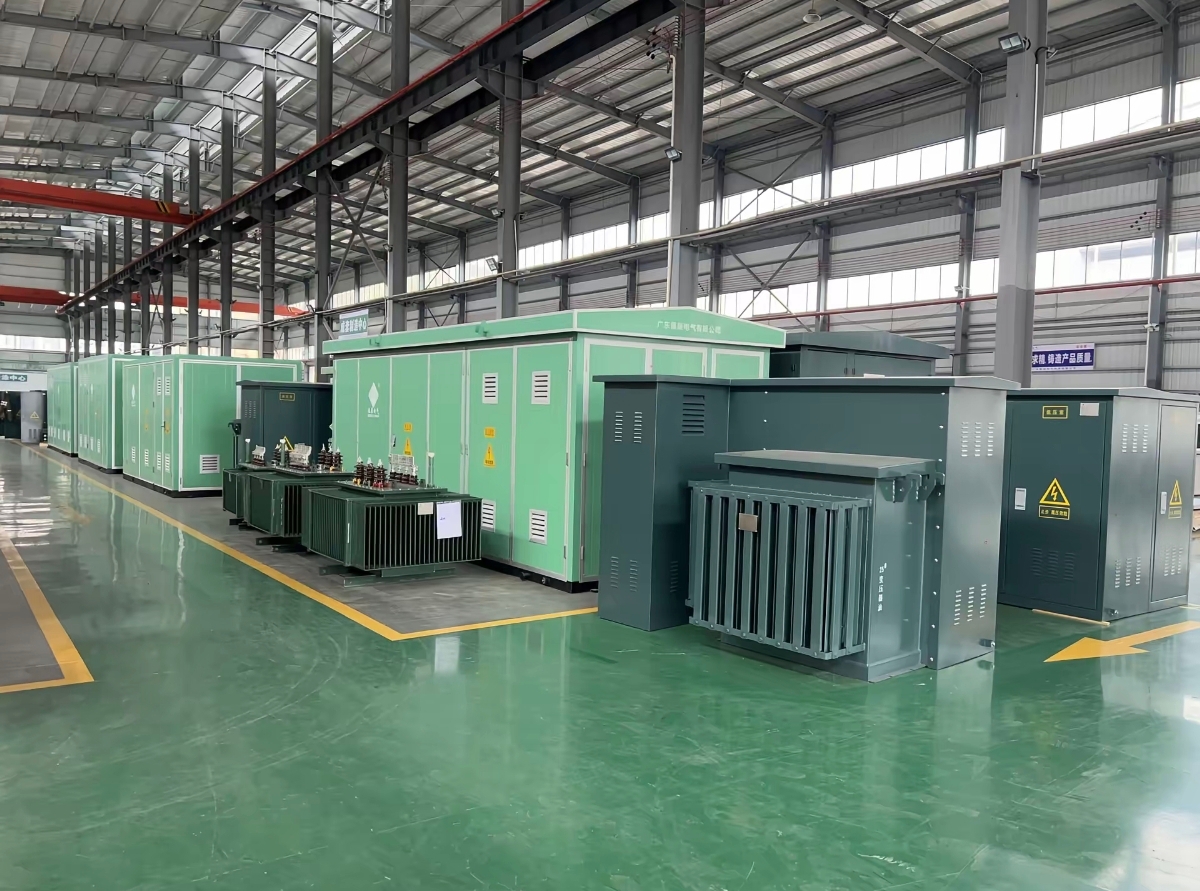
International shipping of industrial equipment requires careful attention to detail, especially when handling sensitive devices like a transformer. After your transformer arrives at its destination, conducting a thorough inspection is essential to identify any transport damage that may have occurred during transit and to ensure the unit is ready for commissioning. This critical process protects your investment and prevents costly operational failures down the line.
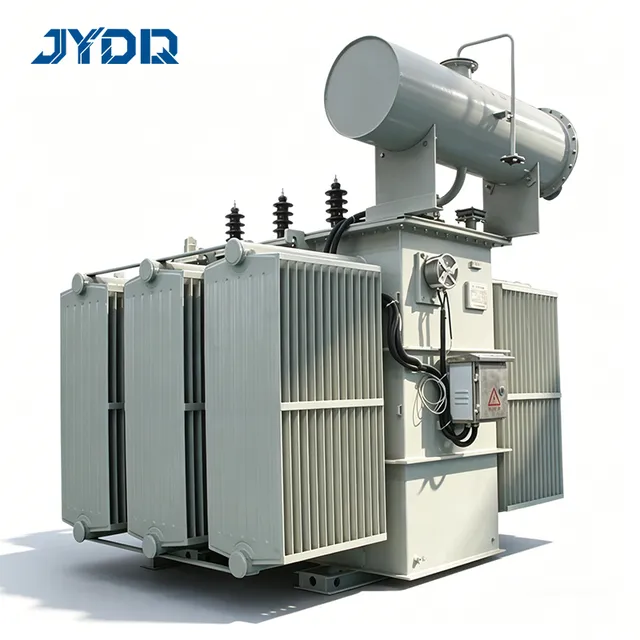
A comprehensive shipping inspection sets the foundation for safe equipment deployment. Before energizing or operating your transformer, you must verify structural integrity, fluid conditions, electrical properties, and mechanical components. Understanding what to look for and how to document findings ensures that any damage is captured early, enabling quick remediation or warranty claims with your supplier.
Initial External Assessment and Documentation
Visual Inspection of the Unit
Begin your shipping inspection by examining the exterior of the transformer. Look for dents, cracks, bent components, or deformation of the casing or tank. Transport damage can manifest as compressed fins on radiators, broken mounting brackets, or bent nameplate assemblies. Check the condition of the shipping container, strapping, and protective materials to understand what stresses the equipment experienced. Document all visible defects with photographs and detailed notes before proceeding to internal checks.
Verify that all access covers, breather caps, and drain plugs remain sealed and undamaged. Look for signs of leakage around gaskets or welded seams. If any transport damage is evident on the exterior, this may indicate internal compromises that require professional assessment before commissioning.
Verification of Shipping Documentation
Cross-reference the transformer's serial number, voltage ratings, and oil capacity against the shipping paperwork and the original purchase order. Confirm that the unit received matches the specification ordered. Check for any inspection certificates or pre-shipment reports that document the transformer's condition before transit. This establishes a baseline for assessing transport damage and validates that no mix-up occurred during international shipping.
Fluid and Oil Analysis Post-Shipping
Oil Condition and Cleanliness Evaluation
The transformer's insulating oil is vulnerable during shipping. Vibration, temperature fluctuations, and physical shock can introduce moisture, particles, and gas into the oil, compromising its insulating and cooling properties. Conduct an oil sample immediately after the unit is unpacked and has stabilized. Assess the oil's color, clarity, and smell for signs of degradation or contamination from transport damage.
Send oil samples to an accredited laboratory for detailed analysis. Tests should include moisture content, dielectric breakdown voltage, acid number, interfacial tension, particle count, and dissolved gas analysis. These results reveal whether the oil remains suitable for commissioning or requires filtering, drying, or replacement before the transformer enters service.
Breather and Moisture Management
Inspect the transformer's breather unit for damage or signs of moisture intrusion. International shipping exposes equipment to varying climates, humidity levels, and temperature changes. A compromised breather allows moisture to enter the oil tank, accelerating degradation and reducing dielectric strength. Verify that the breather cartridge is present, properly seated, and undamaged. If the unit has been in transit for an extended period or exposed to high humidity, consider drying the oil and replacing the breather cartridge as part of your commissioning preparation, even if transport damage is not apparent.
Electrical and Mechanical Verification Before Commissioning
Insulation Resistance and Dielectric Testing
Physical transport damage can compromise the transformer's electrical integrity. Before commissioning, measure insulation resistance between primary and secondary windings and between windings and ground using a megohmmeter. Results should match factory standards or baseline values documented pre-shipment. Perform a dielectric withstand test at a reduced voltage to verify that the insulation system has not been degraded by shipping stress or impact.
Low insulation resistance or dielectric failure indicates internal damage or moisture contamination requiring immediate action. Do not attempt commissioning until the transformer passes these critical electrical tests, as failure during operation poses safety and financial risks.
Mechanical Components and Coil Integrity
Vibration during international shipping can loosen internal coil supports or shift windings within the core. Perform a turns ratio test to verify that the primary and secondary winding ratios match the nameplate specifications. Any deviation suggests coil displacement or transport damage affecting the transformer's ability to regulate voltage correctly. Measure winding resistance to detect internal short circuits or broken connections that may have resulted from shock or vibration during transit.
Inspect the core and frame for visible separation, corrosion, or rust that may indicate moisture exposure or shipping container failures. Check that all bolts, studs, and mechanical fasteners remain tight. Listen for unusual sounds or rattling when the transformer is gently shaken, which could indicate loose core laminations or debris inside the tank.
Documentation and Commissioning Readiness
Comprehensive Inspection Report
Compile all findings from your shipping inspection into a formal report. Document the transformer's condition upon arrival, all test results, photographs of any transport damage, and corrective actions taken or recommended. This report serves as a record for warranty purposes, operational baseline, and compliance verification. Include oil analysis laboratory results, electrical test data, and mechanical assessments.
If transport damage is discovered, notify your supplier or insurance carrier immediately with supporting documentation. Many international shipping agreements require damage claims to be filed within specific timeframes. A thorough inspection report strengthens your position and accelerates resolution.
Final Commissioning Checklist
Once all shipping inspection steps are complete and test results are acceptable, prepare a commissioning checklist confirming that the transformer is ready for energization. Verify that the unit has been properly grounded, that all connections are secure, and that protective devices are functional. Confirm that oil levels are correct and that the cooling system is operational. Ensure that facility personnel have been trained on the specific transformer model and that emergency procedures are in place. Only after all checks pass should the unit proceed to full commissioning and service.
FAQ
What are the most common forms of transport damage discovered during shipping inspection?
The most frequently identified transport damage includes oil leakage from impact or vibration, moisture ingress through compromised breathers, bent radiator fins reducing cooling efficiency, loosened internal coil supports causing winding displacement, corroded components from humidity exposure, and cracked terminal bushings. Vibration during international shipping is a leading cause of these issues, particularly in older equipment or those without adequate vibration dampening during transit.
How soon after arrival should a shipping inspection and commissioning process begin?
Begin your shipping inspection within 24 to 48 hours of the transformer's arrival to capture accurate condition documentation and to initiate corrective actions promptly if transport damage is discovered. However, allow the unit to stabilize to ambient temperature before opening the tank or drawing oil samples. Rushing the inspection or delaying it excessively both introduce risk. Schedule oil laboratory analysis immediately so that results are available before your planned commissioning date.
Can a transformer be commissioned if minor transport damage is visible externally but electrical tests pass?
Minor cosmetic damage that does not affect structural integrity, sealing, or electrical properties may not prevent commissioning, but it must be documented and assessed carefully. All critical electrical tests and oil analysis must confirm that internal function is sound. If external damage raises questions about sealing integrity or potential internal contamination, err on the side of caution and conduct additional diagnostic testing or engage manufacturer support before proceeding. Transport damage that appears minor externally can sometimes mask serious internal problems that emerge only during initial operation.

 EN