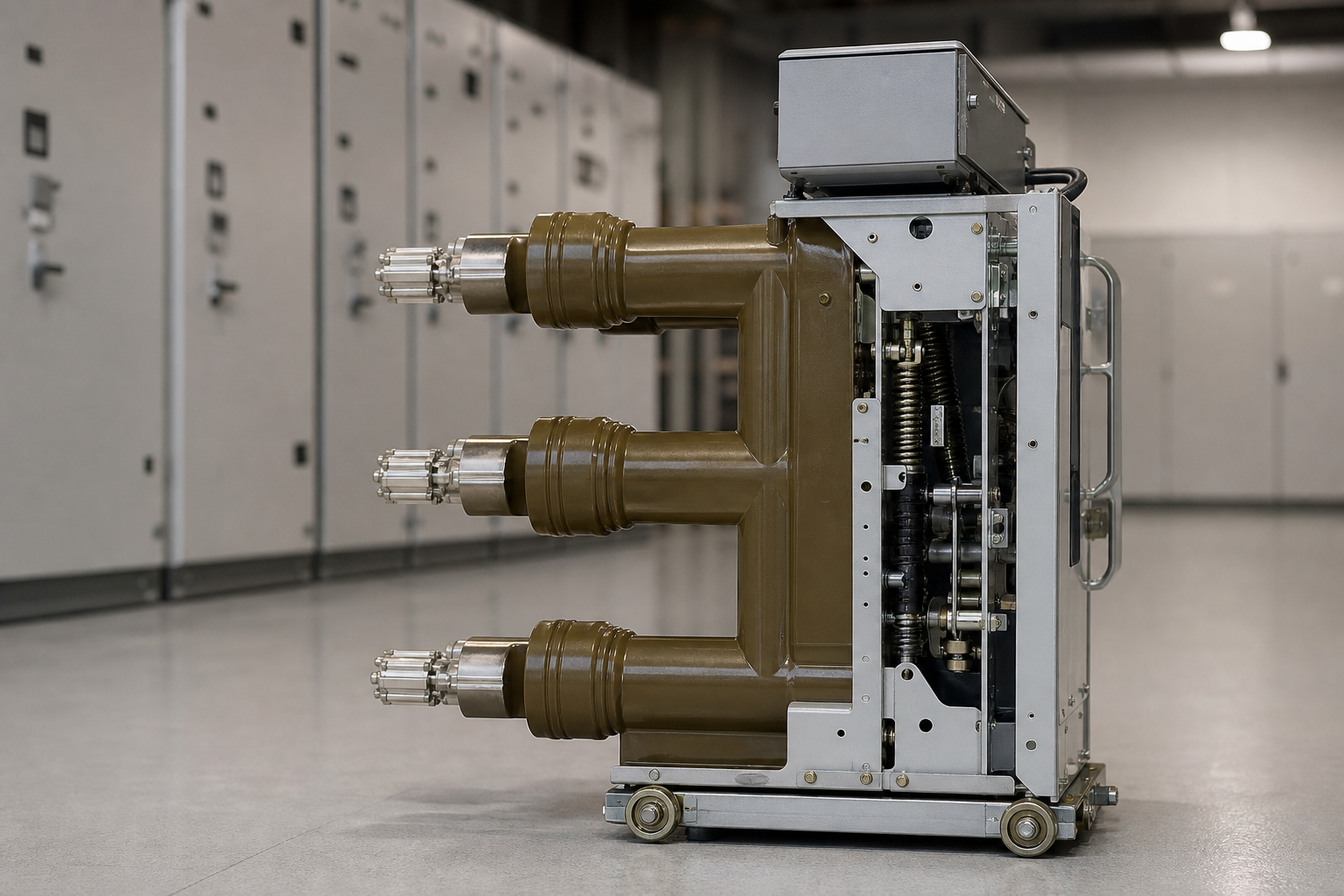
Effective spare parts planning is critical for ensuring the long-term reliability and operational efficiency of sulfur hexafluoride circuit breakers in industrial and utility applications. These high-voltage components are essential for protecting electrical systems, and any unplanned downtime due to component failure can result in significant operational losses and safety risks. Developing a comprehensive strategy for spare parts inventory and maintenance planning helps organizations avoid costly disruptions while maintaining system performance.
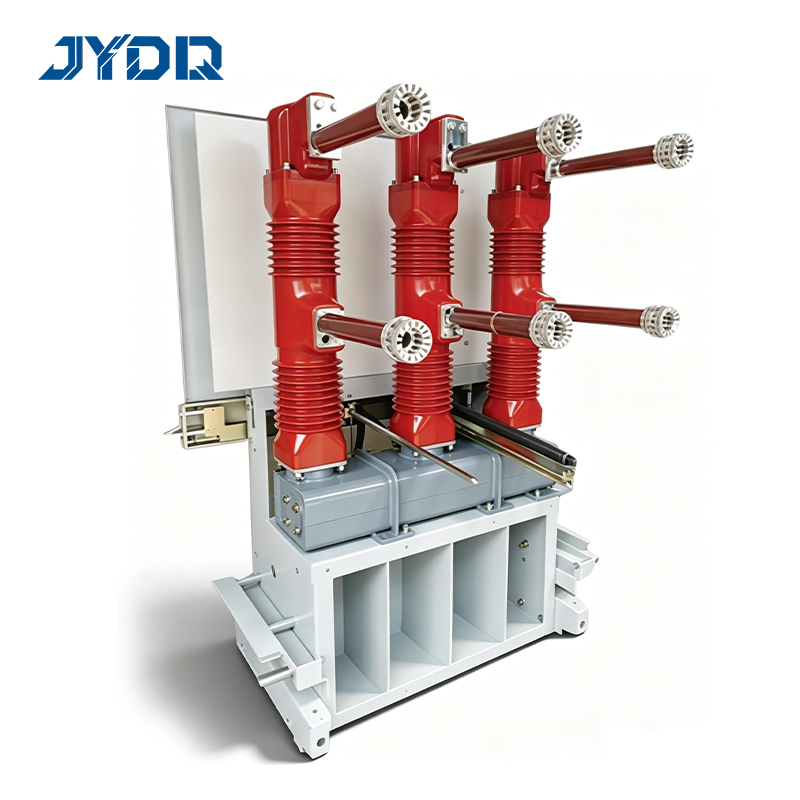
Planning spare parts for SF6 circuit breakers requires understanding the equipment's operational demands, failure patterns, and maintenance cycles. A strategic approach combines inventory management with predictive maintenance techniques to optimize both availability and cost-efficiency. This guide explores the essential steps and considerations for developing a robust spare parts program tailored to sulfur hexafluoride circuit breaker systems.
Understanding SF6 Circuit Breaker Components and Failure Modes
Critical Components Requiring Spare Parts Planning
SF6 circuit breakers contain multiple components that wear over time or may require replacement during maintenance cycles. The main contacts experience erosion from arcing during electrical interruptions, while operating mechanisms—including springs, hydraulic actuators, and motors—face mechanical stress during switching operations. Gas management systems, including the SF6 gas itself, insulators, and moisture control equipment, also require regular monitoring and periodic replacement. Understanding which components are most prone to failure enables better forecasting and inventory allocation for your maintenance planning program.
Common Failure Mechanisms in High-Voltage Systems
Contact erosion is one of the most predictable failure modes in SF6 circuit breakers, typically occurring after a defined number of switching cycles. Environmental factors such as temperature fluctuations, moisture ingress, and dust contamination can accelerate component degradation. SF6 gas purity degradation also necessitates planned maintenance and occasional gas replacement. By analyzing historical operational data and manufacturer specifications, maintenance teams can establish realistic replacement intervals and stock the appropriate spare parts to support planned maintenance activities without operational interruptions.
Developing a Data-Driven Maintenance Planning Strategy
Collecting and Analyzing Operational Metrics
Effective maintenance planning begins with systematic data collection from installed sulfur hexafluoride circuit breakers. Key metrics include operation counts, fault clearing records, temperature monitoring logs, and SF6 gas condition reports. Modern circuit breakers often include built-in diagnostic systems that track switching cycles, fault events, and equipment stresses. By analyzing this data, maintenance teams can identify patterns, predict component wear rates, and establish evidence-based spare parts requirements. This quantitative approach eliminates guesswork and aligns spare parts procurement with actual operational demands.
Establishing Inventory Levels Based on Historical Trends
Once operational patterns are understood, organizations can calculate optimal inventory levels for each critical spare part. The spare parts strategy should account for lead times, component availability from manufacturers, and the cost of holding excess inventory. For example, if contact replacement occurs every 18 months on average and lead time is three months, maintaining at least two sets of replacement contacts ensures continuous availability. This data-driven approach to maintenance planning prevents both stockouts that disrupt operations and overstocking that ties up capital unnecessarily.
Implementing Preventive and Predictive Maintenance Frameworks
Scheduled Maintenance Intervals and Spare Parts Allocation
A structured preventive maintenance program for SF6 circuit breakers defines regular inspection, testing, and component replacement intervals based on manufacturer recommendations and operational experience. This maintenance planning approach ensures that spare parts are consumed in a predictable manner, supporting budgeting and procurement activities. Routine tasks such as SF6 gas quality analysis, insulation resistance testing, and mechanical actuation checks inform decisions about when to deploy specific components from your spare parts inventory. By aligning spare parts availability with scheduled maintenance windows, organizations optimize resource utilization and minimize operational disruptions.
Predictive Technologies for Proactive Planning
Modern condition monitoring technologies enable predictive approaches to maintenance planning that can further optimize spare parts strategies. Thermal imaging, dissolved gas analysis, and mechanical vibration monitoring provide early warning signs of component degradation before failures occur. When predictive systems indicate imminent wear or contamination, maintenance teams can proactively deploy spare parts and schedule maintenance before problems develop. This proactive maintenance planning reduces emergency repairs, extends equipment life, and ensures that sulfur hexafluoride circuit breakers operate reliably throughout their service life. Integration of predictive data with spare parts management systems creates a dynamic inventory approach that responds to actual equipment condition rather than fixed schedules alone.
Establishing an Efficient Spare Parts Management System
Organization and Traceability of Spare Parts Inventory
A systematic inventory management system is essential for maintaining an effective spare parts program. Components should be categorized by function, failure rate, and associated equipment type, with clear labeling and storage protocols that prevent damage or contamination. For SF6 circuit breakers, this is particularly important because electrical contacts and insulators require protected storage conditions. Implementing a digital tracking system enables quick identification of available components, monitors inventory levels in real time, and flags when reordering is necessary. Proper organization of spare parts reduces retrieval time during maintenance events and ensures that components are in optimal condition when deployed.
Supplier Relationships and Lead Time Coordination
Establishing reliable relationships with equipment manufacturers and authorized suppliers is a key element of maintenance planning for SF6 circuit breaker spare parts. Understanding lead times for critical components allows procurement teams to order well in advance and maintain appropriate safety stock levels. Some specialized components for sulfur hexafluoride circuit breakers may require extended lead times, making early identification and ordering essential. Regular communication with suppliers about forecast demand, seasonal variations, and emerging equipment needs ensures that spare parts are available when needed. Additionally, negotiating volume discounts and establishing framework agreements can reduce costs while securing priority access to limited inventory.
FAQ
What are the most critical spare parts to maintain for SF6 circuit breakers?
The most critical spare parts for sulfur hexafluoride circuit breakers include replacement contacts, operating mechanism components such as springs and hydraulic seals, SF6 gas cartridges, and insulation materials. These components experience regular wear and are essential for maintaining operational reliability. Additionally, moisture absorbent cartridges and replacement nozzles for the arc interruption chamber should be stocked based on manufacturer recommendations and historical usage patterns. Prioritizing these components in your spare parts planning ensures that common maintenance activities can proceed without delays.
How often should spare parts inventory be reviewed and adjusted?
Spare parts inventory should be reviewed quarterly or whenever significant changes occur in equipment operation or maintenance activities. Regular review cycles allow maintenance planning teams to identify trends, adjust stock levels based on actual consumption, and respond to changing operational demands. If new equipment is installed or operational profiles change, inventory targets should be recalibrated accordingly. Many organizations conduct annual comprehensive reviews of their maintenance planning strategy to ensure that spare parts allocation aligns with business priorities, budget constraints, and operational forecasts for their sulfur hexafluoride circuit breaker systems.
Can predictive maintenance reduce the need for spare parts inventory?
Predictive maintenance can significantly optimize spare parts inventory by enabling more accurate forecasting of when components will actually be needed. By using condition monitoring data, maintenance planning becomes more precise, reducing both emergency spare parts requirements and the need for excessive safety stock. However, some baseline inventory of long-lead-time components must still be maintained for sulfur hexafluoride circuit breakers because sudden equipment failures can occur despite monitoring efforts. The ideal approach combines predictive insights with strategic safety stock levels, balancing operational reliability against inventory costs while ensuring that maintenance activities proceed smoothly.

 EN