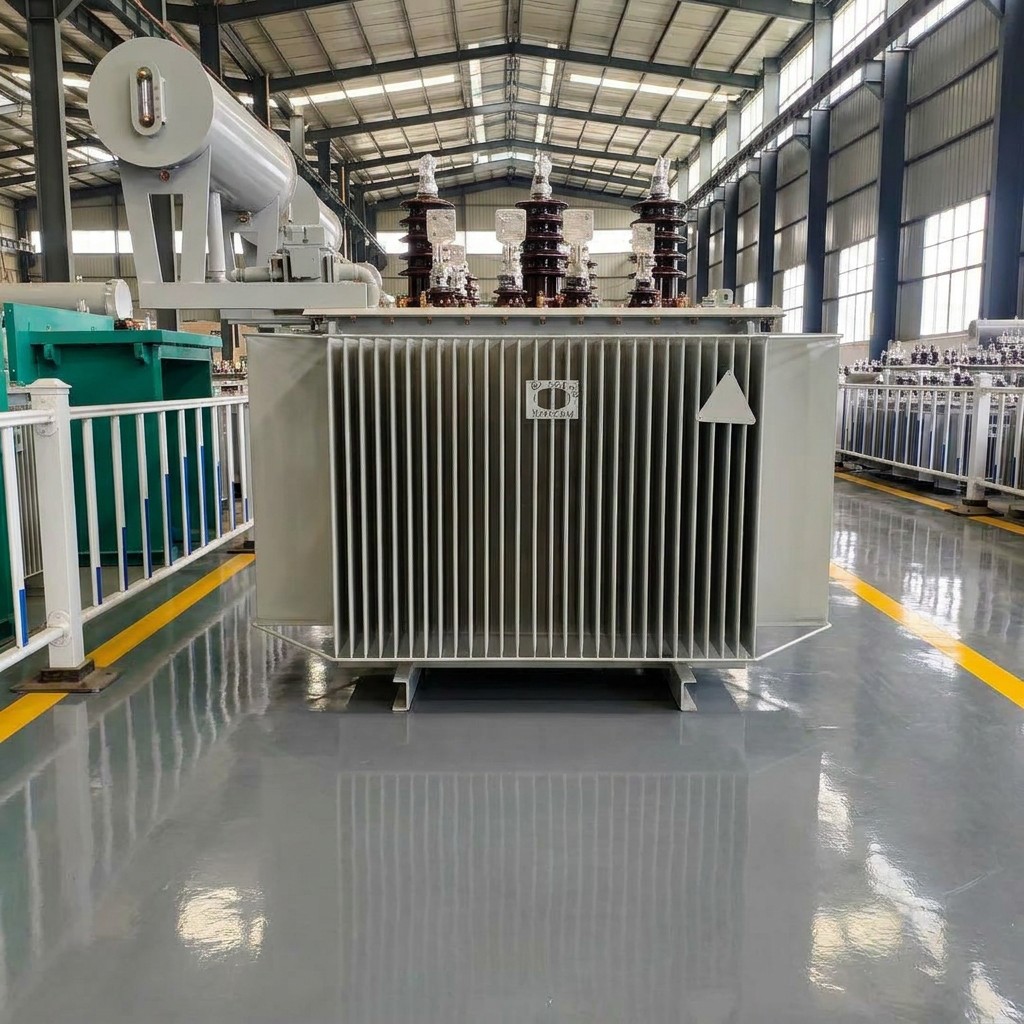
Specifying an oil immersed transformer for industrial power systems requires a systematic approach that balances technical accuracy with operational demands. The specification process directly impacts system reliability, efficiency, maintenance requirements, and total cost of ownership. Engineers and facility managers must understand the critical parameters that drive transformer selection and ensure alignment with plant electrical infrastructure, load profiles, and regulatory standards. This comprehensive guide walks through the essential factors and methodologies for making informed transformer selection decisions in industrial environments.
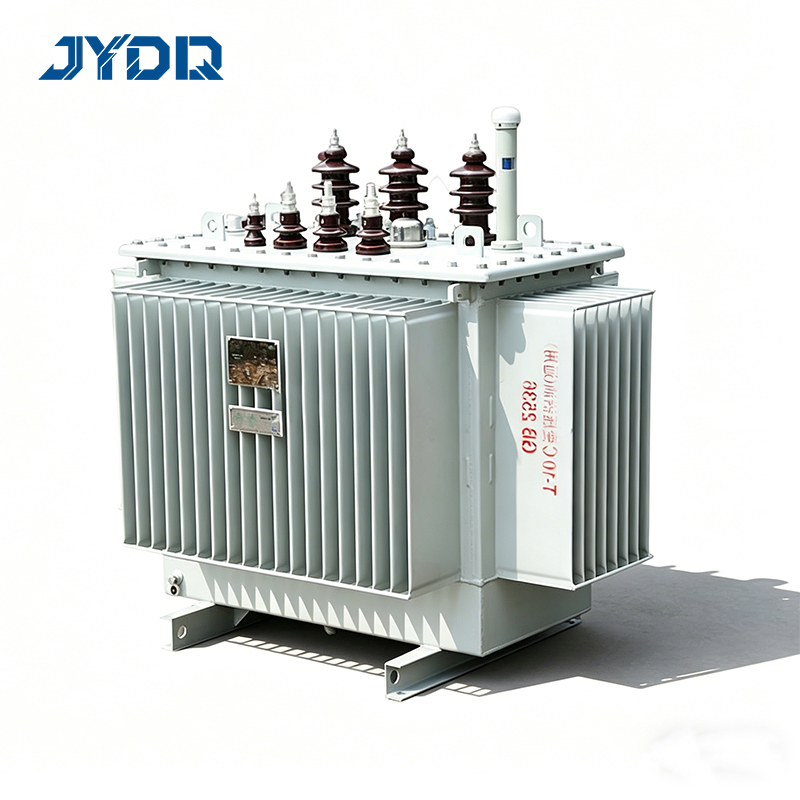
Industrial power systems depend on properly specified transformers to maintain voltage regulation, manage load distribution, and protect sensitive equipment. An oil immersed transformer offers advantages in thermal management and dielectric strength compared to dry-type alternatives, making it ideal for high-capacity industrial applications. However, specifying the right unit involves evaluating multiple technical, operational, and economic factors. Understanding how to navigate the specification process ensures your industrial facility receives equipment that meets current demands while supporting future expansion.
Understanding Core Specification Requirements
Load Analysis and Capacity Planning
The foundation of transformer specification begins with accurate load analysis. You must determine the total connected load in your industrial facility, accounting for both continuous and peak demand periods. An oil immersed transformer must be sized to handle maximum anticipated load without exceeding thermal limits or efficiency targets. Engineers typically add a capacity margin of 20 to 30 percent to accommodate future growth and avoid operating the unit at maximum nameplate continuously. This margin improves equipment longevity and provides flexibility for process expansion without requiring immediate replacement.
Detailed load profiling reveals demand patterns throughout operating cycles. Industrial power requirements often fluctuate based on production schedules, seasonal variations, and equipment startup sequences. Transformer selection must address both steady-state loads and inrush currents from large motor starts or sudden process changes. Undersizing risks thermal damage and reduced transformer life, while oversizing increases capital investment and reduces efficiency during partial-load operation. The specification process requires balancing these competing factors through careful capacity calculation.
Voltage Requirements and System Configuration
Voltage specification involves matching primary and secondary winding ratings to your facility electrical infrastructure and downstream equipment needs. An oil immersed transformer typically operates at standard industrial power voltage levels such as 10 kV, 15 kV, or 35 kV primary with secondary ratings of 380V, 400V, or 480V depending on regional standards and equipment compatibility. The specification process requires verifying that transformer voltage ratings align with utility supply characteristics and facility distribution system design. Transformer selection also depends on whether your industrial power system operates three-phase or single-phase, with three-phase configurations dominating most heavy industrial applications for balanced load distribution.
Impedance voltage rating affects fault current levels and protective device coordination. Specifying appropriate impedance ensures coordination between transformer protection and downstream equipment protection, preventing nuisance trips while maintaining fault isolation. Industrial power system engineers must verify that the specified impedance voltage matches their protection philosophy and equipment ratings. This specification factor directly influences the safety and reliability of your entire facility electrical system.
Technical Specification Parameters and Standards
Efficiency, Loss Characteristics, and Operating Economics
Transformer specification increasingly emphasizes efficiency and loss reduction as critical factors in total cost evaluation. An oil immersed transformer with lower no-load loss and load loss reduces operating expenses over the equipment lifetime. Industrial power applications with continuous operation justify investment in high-efficiency designs, where the payback period for premium equipment often occurs within three to five years. The specification process involves comparing transformer loss profiles across potential suppliers and calculating total cost of ownership including energy expenses over the anticipated equipment service life.
Loss evaluation requires understanding both no-load loss, which occurs whenever the transformer operates regardless of loading, and load loss, which increases with current flow. An industrial facility operating equipment 24 hours daily experiences substantial cumulative energy cost from transformer losses. Specifying a transformer meeting advanced efficiency standards aligns with industrial power system optimization and sustainability initiatives. Many facilities now mandate minimum efficiency levels in their transformer selection criteria to control operating expenses and reduce environmental impact.
Cooling Method and Thermal Management
Cooling system specification determines how effectively the oil immersed transformer manages heat generated during operation. The most common cooling method for industrial applications uses natural convection and radiator cooling, designated as ONAN cooling, which requires no external power or maintenance monitoring equipment. Transformer selection considers ambient temperature, installation location, and anticipated load cycles when choosing cooling methodology. Natural cooling works effectively for most industrial power applications, while forced cooling systems may be necessary only in space-constrained locations or where continuous full-load operation is anticipated.
An oil immersed transformer's cooling specification affects installation requirements, maintenance needs, and initial capital cost. ONAN-cooled transformers offer simplicity and reliability, while oil-forced, air-forced systems add complexity but increase heat dissipation capacity. The specification process evaluates site-specific factors including available ventilation space, ambient temperature extremes, and equipment arrangement constraints. Proper cooling specification ensures the transformer operates within design temperature limits and maintains optimal service life.
Practical Implementation and Compliance Considerations
Standards Compliance and Testing Requirements
Transformer specification must ensure compliance with applicable international and regional standards governing design, performance, and safety. An oil immersed transformer should meet relevant standards such as IEC 60076 or IEEE C57.12.00, depending on your geographic location and facility requirements. Industrial power system specifications typically require factory acceptance testing, including insulation resistance measurement, turns ratio verification, oil quality analysis, and no-load and load loss testing. Comprehensive testing protocols ensure the specified unit meets all performance promises and installation readiness.
Specification documents should clearly outline testing requirements, acceptance criteria, and documentation deliverables. This clarity prevents disputes and ensures adequate quality verification before equipment installation. Industrial power applications demand high reliability, making thorough specification of testing requirements essential for facility safety and operational continuity. Including detailed testing specifications protects your facility against equipment failures and performance shortfalls.
Installation, Maintenance, and Lifecycle Support
Complete transformer specification includes planning for installation logistics, preventive maintenance protocols, and long-term operational support. An oil immersed transformer requires dedicated space with adequate ventilation, structural support for significant weight, and proper grounding connections. The specification process addresses installation details such as transformer pad preparation, coolant handling procedures, and electrical connection requirements. Industrial power system specifications benefit from including provisions for future maintenance access and spare parts availability.
Maintenance planning protects transformer performance and extends equipment service life. An oil immersed transformer requires periodic oil sampling for condition assessment, visual inspection for signs of deterioration, and thermographic analysis during operation. Specifying transformers with accessible maintenance points and standardized components simplifies ongoing care. Including maintenance support provisions in the original specification ensures your industrial facility maintains optimal transformer performance throughout its operational life.
FAQ
What factors are most important when specifying an oil immersed transformer?
The most critical factors include accurate load analysis for proper capacity sizing, voltage requirements matching your industrial power system configuration, efficiency and loss specifications aligned with operating economics, and compliance with relevant standards. Transformer selection also requires evaluating cooling method suitability for your installation environment and ensuring proper impedance voltage for protection coordination. Comprehensive specification of these factors ensures optimal equipment performance and reliability throughout the transformer's service life.
How does transformer selection impact long-term operating costs?
Transformer selection significantly affects operating expenses through energy losses and maintenance requirements. An oil immersed transformer with superior efficiency reduces continuous operating costs, often justifying premium initial investment within a few years. Industrial power systems running 24/7 experience substantial cumulative energy waste from transformer losses, making efficiency specification economically important. Additionally, proper specification of cooling methods, maintenance accessibility, and component standardization reduces unexpected failures and supports lower lifecycle costs than undersized or incorrectly specified equipment.
What role does specification play in industrial power system reliability?
Proper transformer specification ensures equipment operates within design limits while supporting protective device coordination and fault clearance requirements. An oil immersed transformer that meets impedance and protection specifications prevents nuisance equipment shutdowns and supports safe fault isolation. Accurate specification of cooling capacity and efficiency maintains thermal stability during normal and stressed operating conditions. Complete industrial power system specification coordination ensures transformers work harmoniously with protection systems, preventing cascading failures and supporting facility operational continuity.

 EN