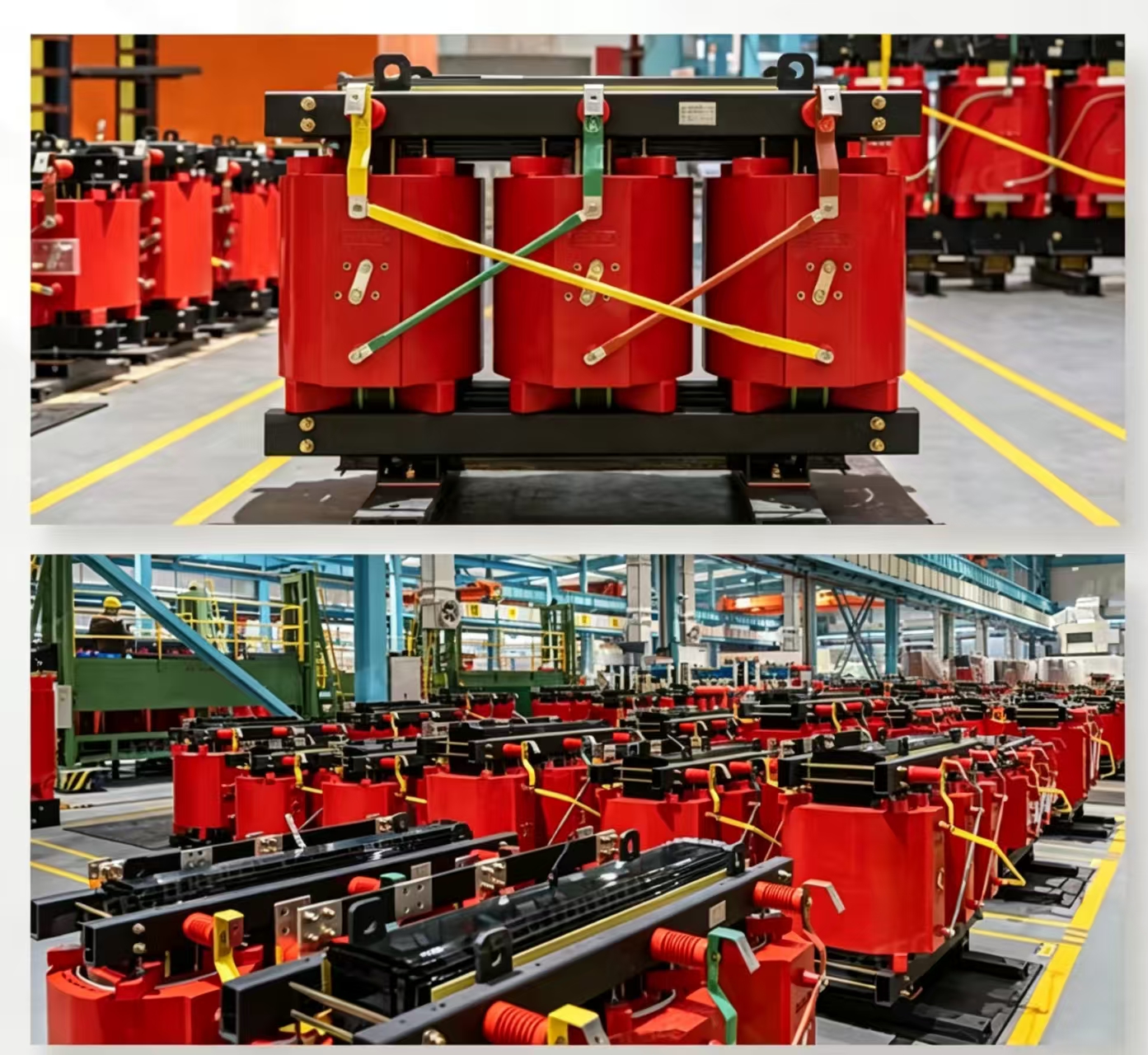
Vacuum circuit breakers have become essential components in modern electrical infrastructure, particularly when integrated into ring main units and distribution systems. These advanced switchgear devices provide reliable fault protection and operational flexibility for medium-voltage networks. Understanding how vacuum circuit breakers work within these interconnected systems is critical for engineers, facility managers, and electrical professionals responsible for maintaining grid stability and equipment safety.
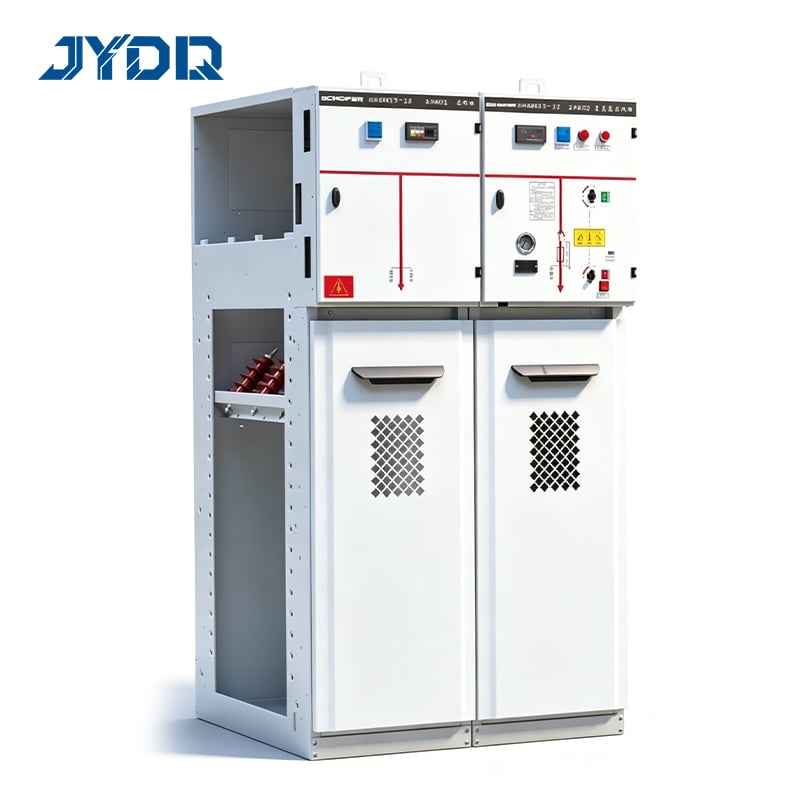
The integration of vacuum circuit breakers within an RMU and broader distribution system creates a cohesive protection architecture that minimizes downtime and enhances system reliability. When properly designed and installed, these breakers serve as the frontline defense against overcurrent events, short circuits, and other electrical faults that could damage expensive equipment or compromise power delivery to critical facilities.
Core Integration Principles of Vacuum Circuit Breakers in RMU Design
Switchgear Architecture and Vacuum Circuit Breaker Placement
An RMU, or ring main unit, creates a closed-loop distribution system where multiple feeders connect in sequence. Vacuum circuit breakers are positioned at strategic points within this ring configuration to isolate faulted sections while maintaining power to healthy portions of the network. Each vacuum circuit breaker in the RMU responds independently to fault conditions, enabling rapid isolation and automatic load transfer through the remaining healthy sections of the ring.
The placement of vacuum circuit breakers within an RMU distribution system follows strict coordination protocols. Engineers must calculate the precise current ratings, voltage levels, and trip characteristics to ensure that each breaker operates in harmony with upstream and downstream protection devices. This coordination prevents nuisance trips and ensures that only the affected circuit section experiences an outage during fault events.
Voltage and Current Specifications
Vacuum circuit breakers typically operate in medium-voltage ranges between 6 kV and 35 kV, making them ideal for RMU and industrial distribution system applications. Their current-carrying capacity ranges from 400 amperes to 2500 amperes depending on the specific design and duty cycle. Within a distribution system framework, these breakers must accommodate normal operating currents while responding instantly to abnormal conditions that exceed preset thresholds.
The vacuum interrupter technology enables these circuit breakers to interrupt faults without the maintenance demands of traditional oil-filled breakers. This characteristic makes vacuum circuit breakers particularly valuable in compact RMU installations where space constraints limit equipment size and maintenance access.
Protection Coordination and Fault Management
Selective Protection Strategy in Ring Main Units
Protection coordination in a distribution system featuring vacuum circuit breakers requires careful calculation of time-current curves. Each vacuum circuit breaker must have its protection parameters tuned to trip in the correct sequence during fault events, ensuring that only the breaker closest to the fault isolates and that upstream breakers remain stable. This selective coordination prevents unnecessary outages and reduces economic losses from unplanned downtime.
The RMU environment presents unique coordination challenges because the ring topology creates multiple current paths during normal and fault conditions. Vacuum circuit breakers equipped with numerical relays and communication capabilities can now achieve faster, more precise coordination than was possible with electromechanical protection alone. Real-time monitoring and adaptive protection strategies have transformed how vacuum circuit breakers interact within modern distribution systems.
Fault Current Limitation and Arc Interruption
One of the primary advantages of vacuum circuit breakers is their superior arc interruption capability. When a fault occurs in the distribution system, the vacuum gap inside the breaker chamber instantly extinguishes the electrical arc, eliminating the fault current within milliseconds. This rapid interruption protects downstream equipment and prevents cascading failures that could otherwise compromise the entire RMU installation.
The vacuum medium provides inherent advantages for protection applications. Unlike air or sulfur hexafluoride gas, the vacuum environment within the interrupter cannot sustain an arc once the breaker contacts separate. This allows vacuum circuit breakers to interrupt fault currents up to 63 kA or higher, depending on the design, while maintaining excellent reliability and long contact life.
System Integration and Operational Benefits
Seamless Integration with Digital Distribution Platforms
Modern vacuum circuit breakers integrate seamlessly with intelligent protection relays and SCADA systems used to monitor and control distribution networks. When installed within an RMU, these breakers communicate status information, trip events, and diagnostics to central control systems, enabling operators to respond quickly to faults and optimize system performance. This digital integration transforms the RMU from a passive safety component into an active participant in distribution system management.
The combination of vacuum circuit breakers and networked RMU installations provides real-time visibility into protection events and equipment health. Operators can analyze trends, predict maintenance needs, and adjust protection parameters remotely without interrupting service. This capability reduces emergency response times and prevents minor faults from escalating into major system outages.
Maintenance Efficiency and Lifecycle Value
Vacuum circuit breakers require significantly less maintenance than older switchgear technologies, directly improving the total cost of ownership for distribution system operators. The sealed vacuum chamber eliminates the need for regular oil sampling, filtration, or replacement procedures common in traditional circuit breakers. When installed within an RMU, vacuum circuit breakers extend service intervals and reduce the skilled labor hours required for annual maintenance activities.
The extended contact life of vacuum circuit breakers means that an RMU equipped with these devices can operate reliably for fifteen to twenty years or longer without major component replacement. This longevity translates into reduced capital expenditure cycles and more predictable budgeting for electrical infrastructure investments in any distribution system.
FAQ
How do vacuum circuit breakers detect faults within an RMU distribution system?
Vacuum circuit breakers work in conjunction with protective relays installed in the RMU to continuously monitor current levels and electrical parameters. When a fault occurs, the current surge is detected by the relay, which signals the vacuum circuit breaker to trip and open its contacts. The vacuum chamber instantly extinguishes any arc, clearing the fault and isolating the affected section of the distribution system from healthy portions.
What protection coordination challenges arise when deploying multiple vacuum circuit breakers in a ring main unit?
Ring main configurations create multiple current paths, making selective protection coordination more complex than simple radial distribution systems. Each vacuum circuit breaker must have its protective relay tuned to recognize both phase-to-ground and phase-to-phase faults while respecting time delays that ensure upstream breakers remain stable during downstream events. Engineers must conduct detailed short-circuit studies and protection coordination studies to validate that the RMU protection scheme will perform reliably under all anticipated fault scenarios.
Can existing distribution systems be retrofitted with vacuum circuit breakers within an RMU?
Many older RMU installations can be upgraded by replacing traditional circuit breakers with modern vacuum circuit breakers, though compatibility assessments and protection scheme adjustments are necessary. The space requirements and mounting configurations of vacuum circuit breakers may differ from predecessor technologies, and the protection system must be recalibrated to ensure proper coordination with the new equipment. Consulting with experienced electrical engineers before retrofitting ensures that the distribution system will continue operating safely and reliably after the upgrade.

 EN