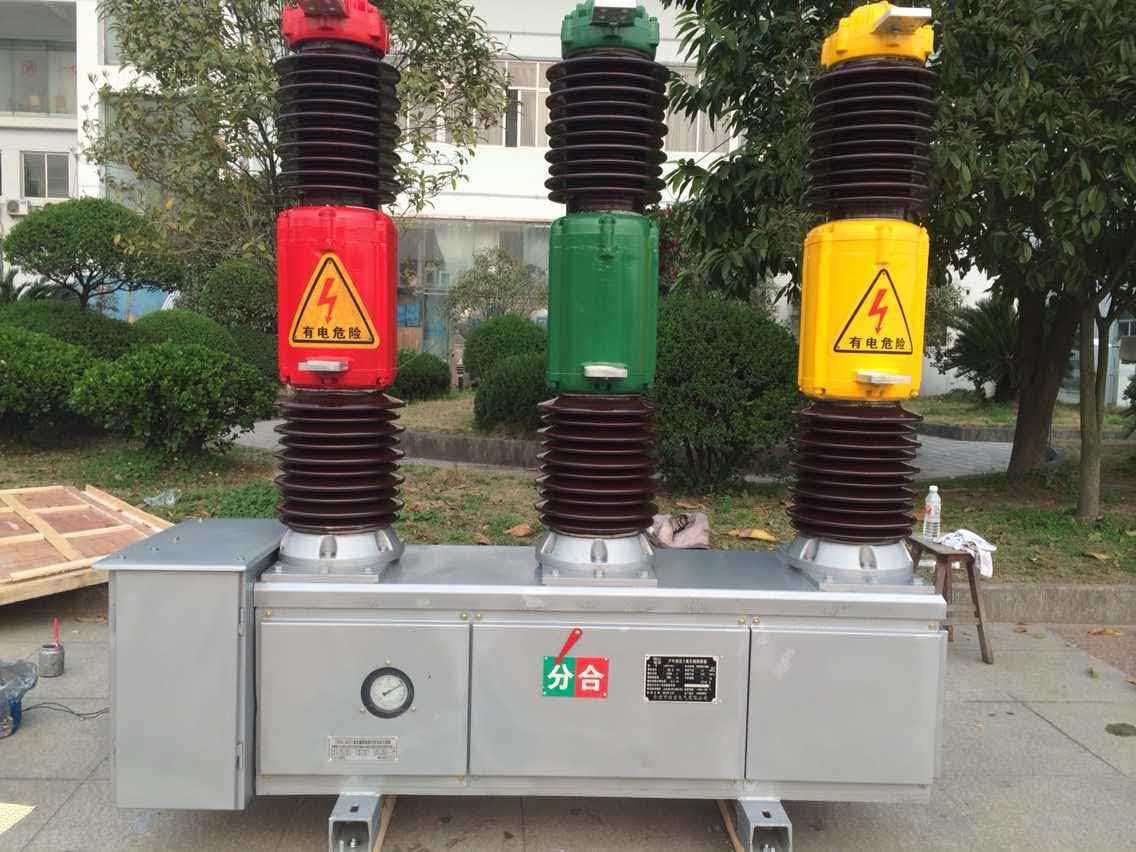
Determining the correct rated current for an SF6 ckt breaker is one of the most critical decisions in electrical system design and protection planning. The rated current of your circuit breaker directly impacts equipment reliability, system safety, and operational efficiency across industrial and utility applications. Selecting an appropriately rated device ensures that your system can handle normal operating conditions while maintaining responsive protection against faults and overload scenarios.
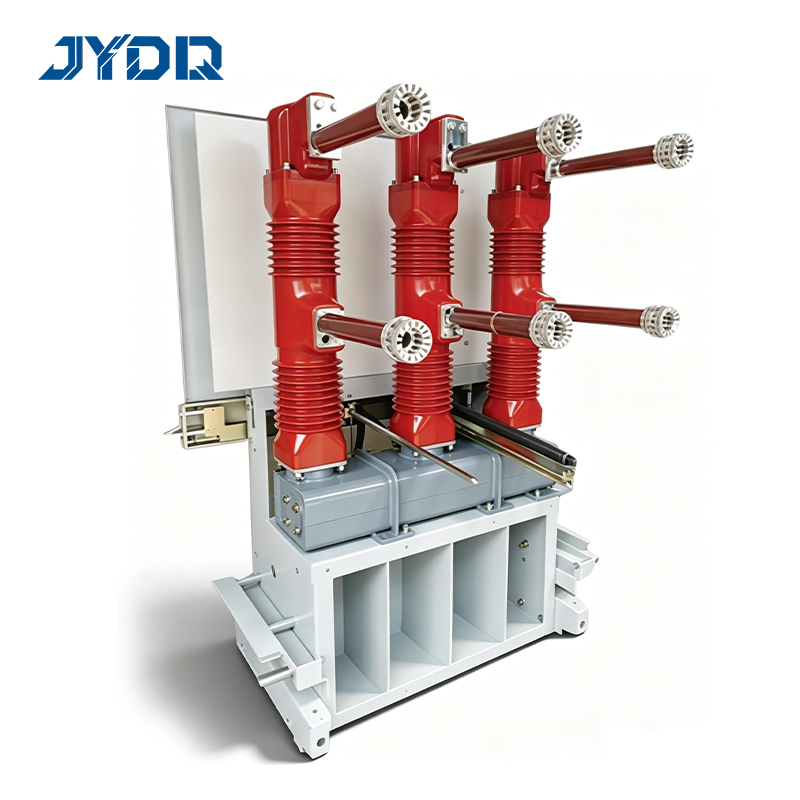
An SF6 ckt breaker must be selected based on the maximum load current your circuit will experience under normal operating conditions, plus a safety margin for future growth or temporary demand spikes. The breaker rating must exceed the continuous load current but remain within practical limits to avoid nuisance trips during harmless transient events. Understanding the relationship between load current, system voltage, and breaker characteristics is essential for compliance with electrical codes and industry standards.
Understanding Rated Current in SF6 Circuit Breakers
What Rated Current Means for Your System
The rated current of an SF6 ckt breaker represents the maximum continuous current the device is designed to carry safely without thermal degradation or operational failure. This specification is the foundation of any breaker selection process and must align precisely with your system's expected load profile. When you specify a breaker with a particular rated current, you are defining the upper boundary of normal operation for that circuit.
Load current refers to the actual electrical current flowing through your circuit during typical operation. The load current should never exceed the rated current of your SF6 ckt breaker under normal circumstances. If load current approaches or exceeds the breaker rating, the device may trip prematurely or fail to provide adequate protection during genuine fault conditions.
How Breaker Rating Relates to System Design
The breaker rating must accommodate both the continuous load current and a reasonable safety margin, typically 20 to 30 percent above the sustained load. This margin prevents nuisance tripping caused by legitimate operational fluctuations while ensuring the SF6 ckt breaker remains responsive to genuine overload and short-circuit events. Engineers calculate this requirement by analyzing peak load conditions, seasonal demand variations, and potential future expansion.
Selecting a breaker with excessive rated current creates serious risks, including delayed response to overcurrent situations and reduced protection coordination within your system. Conversely, choosing a rated current too close to your load current reduces operational flexibility and increases the likelihood of unplanned outages. The optimal breaker rating balances protection performance with system reliability.
Calculating Required Rated Current for SF6 Circuit Breakers
Determining Your Load Current
The first step in selecting an SF6 ckt breaker is establishing your maximum load current under normal operating conditions. This involves reviewing equipment specifications, historical usage data, and equipment nameplate ratings for all connected devices. You must identify peak demand periods throughout the year, accounting for seasonal variations and any planned equipment additions.
Load current calculations should include all continuous loads on the circuit, with particular attention to high-demand industrial equipment, large motor installations, and transformer loads. Temporary or infrequent peak demands should be noted separately, as they may require additional protective devices or load management strategies beyond the basic breaker rating selection.
Applying Safety Margins to Establish Breaker Rating
Once you have determined your load current, apply a safety margin to establish the minimum acceptable breaker rating. The breaker rating should be at least 125 percent of the maximum sustained load current for continuous operation scenarios. For applications with significant load variability, a 130 to 150 percent margin may be more appropriate, providing flexibility while maintaining protection effectiveness.
Standard electrical codes and utility regulations often specify minimum safety margins for different circuit types and applications. An SF6 ckt breaker with inadequate margin relative to load current cannot provide reliable protection, while excessive margin compromises your system's ability to respond quickly to genuine fault conditions. Consult applicable standards and your system's protection coordination study to determine the exact margin appropriate for your installation.
Practical Considerations for SF6 Circuit Breaker Selection
Voltage and Power System Configuration
The rated current of your SF6 ckt breaker must be selected in conjunction with the system voltage and power configuration. Higher voltage systems can transmit the same power at lower currents, affecting breaker selection criteria. Your system's three-phase or single-phase configuration also influences the relationship between load current and breaker rating requirements.
Industrial facilities operating at different voltage levels require separate breaker ratings for each circuit section. An SF6 ckt breaker designed for medium-voltage transmission will have very different rated current specifications than a low-voltage distribution breaker, even if the power transmitted is comparable. Always verify that your selected breaker rating matches both the voltage and current requirements of its specific application point.
Future Growth and Flexibility
While your current load may be lower than your breaker's rated capacity, planning for future expansion should influence your breaker selection. Selecting an SF6 ckt breaker with slightly higher rated current can accommodate planned equipment additions without requiring complete circuit redesign. This approach provides operational flexibility and reduces the total cost of system upgrades over time.
However, oversizing an SF6 ckt breaker rating excessively for speculative future needs creates unnecessary expense and reduces protection effectiveness. A reasonable approach is to select a breaker rating that accommodates your current load plus a known near-term expansion plan, typically covering the next three to five years of anticipated growth.
FAQ
Can an SF6 circuit breaker operate continuously at its rated current?
Yes, an SF6 ckt breaker is designed to operate continuously at its rated current without thermal stress or damage. The sf6 ckt breaker rating represents the maximum sustained current the device can safely carry under standard operating conditions. However, your actual load current should remain somewhat below the breaker rating to allow margin for normal fluctuations and to ensure reliable protection coordination with upstream devices.
What happens if load current exceeds the breaker rating?
If load current exceeds the breaker rating, the thermal or magnetic protection elements will trip the breaker, interrupting the circuit. While this protects equipment from overheating, frequent trips indicate a fundamental mismatch between system demand and breaker capacity. Selecting a higher breaker rating or reducing load current through circuit redesign becomes necessary to restore normal operation while maintaining adequate protection margins.
How do I know what rated current is appropriate for my installation?
Determine the appropriate breaker rating by calculating your maximum load current, applying a 125 to 150 percent safety margin, and selecting a standard breaker rating that meets or slightly exceeds this calculated value. Consult your facility's electrical design standards, applicable building codes, and any protection coordination studies performed by your engineering team. When in doubt, engage a qualified electrical engineer to review your load profile and recommend the optimal breaker rating for your specific application.

 EN