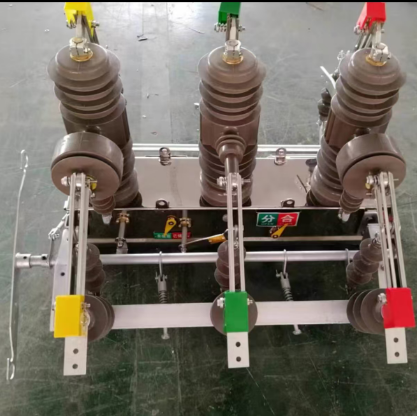
An SF6 circuit breaker represents one of the most critical components in modern electrical distribution systems, responsible for protecting equipment and personnel from dangerous fault conditions. Before any SF6 ckt breaker reaches a substation or industrial facility, it must undergo rigorous factory testing to ensure it meets strict safety, performance, and reliability standards. Understanding what factory testing should include is essential for procurement teams, engineers, and facility managers who need to verify that their equipment will perform reliably throughout its operational lifespan.
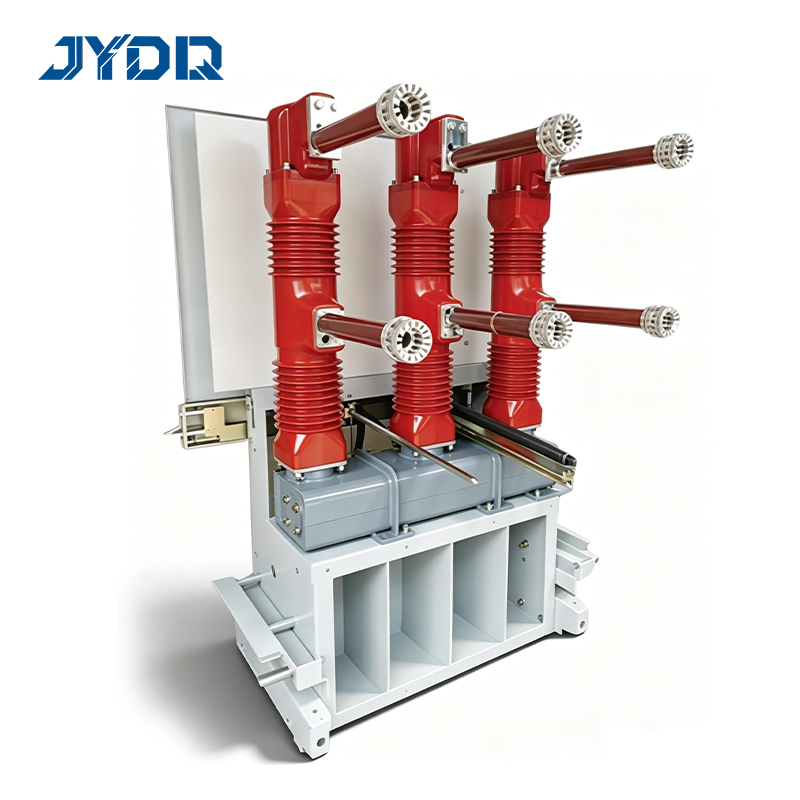
The complexity of SF6 circuit breaker design demands comprehensive factory testing protocols that verify electrical performance, mechanical integrity, and environmental compliance. A well-executed test report provides documentation that the equipment has been manufactured to specification and will deliver the expected service life. This guide examines the complete scope of factory testing requirements, helping stakeholders understand the quality control benchmarks that separate premium equipment from substandard products.
Electrical Performance Testing Requirements
Dielectric Strength and Insulation Assessment
Dielectric strength testing forms the foundation of any comprehensive factory testing program for an SF6 ckt breaker. This test measures the breaker's ability to withstand electrical stress without failure, typically performed using high-voltage impulse tests and AC voltage tests. The test report must document both the withstand voltage levels and any breakdown thresholds that indicate insulation degradation. Quality control procedures verify that SF6 gas purity and pressure remain within acceptable limits, as degraded gas directly reduces dielectric performance.
Contact Resistance and Continuity Testing
Proper contact resistance ensures minimal power loss and prevents overheating during normal operation. Factory testing requires measurement of contact resistance across all three phases and documentation in the test report showing values remain below manufacturer specifications. This quality control step identifies manufacturing defects such as improper contact surface preparation or misaligned contact systems. Continuity testing also verifies that all electrical pathways carry current without interruption, preventing hidden weak points that could fail under load.
Mechanical and Operational Functionality Verification
Operating Mechanism and Trip Function Testing
The mechanical operating mechanism of an SF6 ckt breaker must function flawlessly across the breaker's entire service temperature range. Factory testing includes manual trip tests, electrical trip coil tests, and automatic closing sequence verification. The test report documents trip times, contact opening speeds, and arc extinction characteristics to confirm the breaker responds correctly to both manual commands and electrical fault signals. Quality control procedures confirm that latch mechanisms engage smoothly and that spring-loaded components deliver consistent performance through multiple operational cycles.
Pressure and Gas Integrity Validation
SF6 gas serves as both the insulating medium and the arc-quenching medium, making gas quality absolutely critical. Factory testing includes measurements of SF6 gas pressure at specified temperatures, moisture content analysis, and purity verification using chromatography or other analytical methods. The test report must confirm that decomposition products remain below acceptable thresholds and that no contamination from manufacturing processes remains in the system. Quality control sampling and analysis ensure that every SF6 ckt breaker meets strict gas specifications before shipment.
Compliance, Documentation, and Environmental Standards
Standards Compliance and Certification Testing
Factory testing must verify compliance with applicable international and regional standards such as IEC 62271-100, ANSI C37.04, and other relevant codes. The test report serves as proof that the SF6 ckt breaker meets short-circuit current ratings, insulation levels, and environmental performance requirements specified by these standards. Quality control procedures ensure that testing methodologies align with standard protocols and that results fall within acceptance criteria. Certification bodies often require access to complete test documentation demonstrating that manufacturers followed prescribed procedures.
Environmental Performance and Material Testing
Modern factory testing for an SF6 ckt breaker includes environmental stress testing such as temperature cycling, humidity exposure, and vibration resistance verification. These tests ensure that materials used in construction maintain mechanical properties and electrical characteristics under extreme conditions. The test report documents performance metrics following environmental exposure, confirming that coatings remain intact and that no corrosion or material degradation occurs. Quality control standards now extend to SF6 gas handling procedures, requiring documentation that environmental protocols prevent gas emissions during manufacturing and testing phases.
FAQ
What electrical tests must a factory testing program include for an SF6 ckt breaker?
A comprehensive factory testing program must include dielectric strength testing using both impulse and AC voltage tests, contact resistance measurement, insulation resistance testing, and voltage withstand testing. These factory testing procedures confirm that the SF6 ckt breaker can safely handle the electrical stresses it will encounter during operation. The test report should document all test voltages, acceptance criteria, and actual measured values.
How does quality control ensure that test reports provide accurate documentation of SF6 ckt breaker performance?
Quality control procedures establish standardized factory testing protocols, calibrate all measurement instruments according to recognized standards, and maintain chain-of-custody documentation for every test sample. Independent verification of results by different technicians or automated systems provides cross-checks on critical measurements. The test report must include instrument calibration dates, environmental test conditions, and signatures from qualified personnel, ensuring traceability and accountability throughout the quality control process.
Why is factory testing essential before an SF6 ckt breaker is installed in the field?
Factory testing identifies manufacturing defects, material inconsistencies, and design issues before equipment reaches the customer, preventing costly field failures and safety hazards. A complete test report and quality control documentation provide baseline performance data that allows operators to detect degradation during the breaker's service life. This proactive factory testing approach eliminates the risk of installing substandard equipment and ensures that protection systems function reliably when electrical faults occur.

 EN