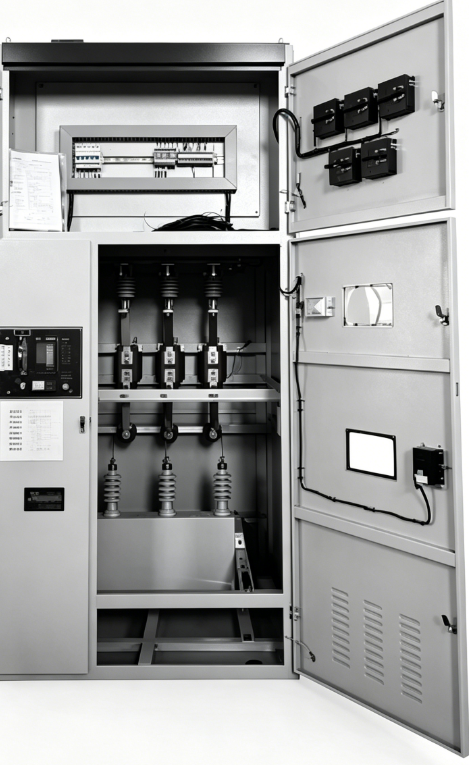
Choosing the right Low-Voltage Compensation Cabinet is a critical decision that directly impacts your facility's power quality, operational efficiency, and long-term maintenance costs. These systems are engineered to manage reactive power, reduce energy losses, and optimize electrical performance across industrial and commercial installations. However, selecting the appropriate unit requires careful evaluation of multiple factors, from electrical specifications to physical installation requirements and vendor support capabilities.
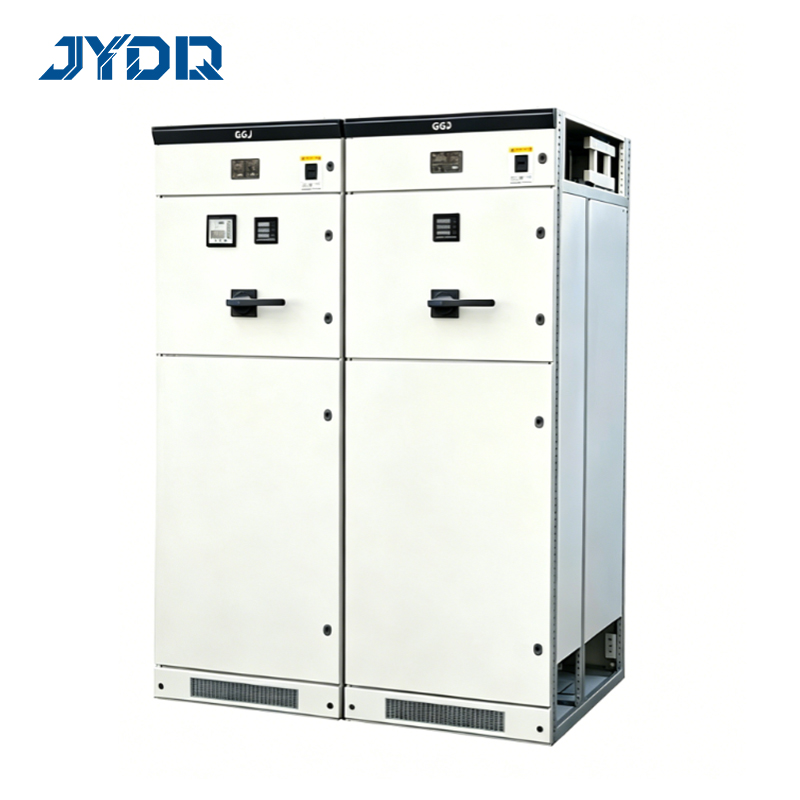
Understanding the technical specification landscape is essential before making a purchase decision. The capacitor bank configuration, voltage rating, reactive power output, and control system type all determine whether a cabinet will perform effectively in your specific application. Buyers must also consider installation space constraints, compatibility with existing switchgear, cooling requirements, and compliance with local electrical standards. This comprehensive guide walks through the key evaluation criteria that ensure your selection matches both immediate operational needs and future scalability.
Technical Specification Assessment for Compensation Cabinets
Reactive Power Rating and Voltage Compatibility
The first technical specification to verify is the reactive power rating, typically measured in kilovolt-amperes reactive (kVAr). This rating must align with your facility's power factor correction requirements and load profile. A low-voltage compensation cabinet's voltage rating—typically 380V, 400V, or 415V in three-phase systems—must match your incoming supply exactly. Undersizing the capacitor bank leaves your power factor correction incomplete, while oversizing wastes capital and creates unnecessary operating costs. Calculate your facility's reactive power demand by reviewing historical power factor data and peak load conditions to determine the appropriate kVAr requirement.
Harmonic Distortion and Equipment Protection
Modern industrial environments often contain variable frequency drives, LED lighting systems, and switching power supplies that generate harmonic currents. When selecting a capacitor bank, verify that the technical specification includes harmonic distortion ratings and whether the cabinet includes detuning reactors to prevent resonance. These protection measures prevent capacitor damage and ensure stable operation in environments with non-linear loads. Ask the manufacturer for harmonic analysis data specific to your facility's equipment profile to confirm the cabinet's suitability.
Capacitor Bank Configuration and Quality Factors
Capacitor Element Type and Lifespan Expectations
The capacitor bank is the heart of any low-voltage compensation cabinet, and its quality directly determines system reliability. High-quality capacitors with self-healing film technology offer extended lifespan and better tolerance to voltage fluctuations and temperature variations. When reviewing the selection process, request the manufacturer's technical documentation on capacitor element specifications, including rated voltage, tolerance, temperature coefficient, and expected operational life. Most industrial-grade capacitors are rated for 100,000 operating hours at nominal conditions, but lower-quality alternatives may deliver significantly shorter service life and higher failure rates.
Switching and Control System Design
The switching mechanism within a capacitor bank determines how quickly and smoothly the system responds to changing power factor conditions. Modern low-voltage compensation cabinets use thyristor-based or contactor-based switching, with thyristor systems offering faster response times and reduced inrush current. During the selection phase, confirm whether the cabinet includes a power factor controller with automatic switching capabilities, manual override options, and communication interfaces for remote monitoring. Request information about the switching frequency limits and whether the system supports soft-switching to minimize electrical stress on capacitor elements.
Installation, Space, and Operational Requirements
Physical Dimensions and Cooling Specifications
Before finalizing your selection, measure the available installation space and compare it against the low-voltage compensation cabinet's footprint and height requirements. Ensure adequate clearance around the unit for maintenance access and thermal management. Most cabinets generate operational heat, and the technical specification will define cooling requirements—whether passive ventilation suffices or forced-air cooling is necessary. If your facility has space constraints, consider wall-mounted or vertical configuration options, but verify that switching and cooling efficiency remain acceptable in these alternative orientations.
Connection Standards and Compatibility Verification
Verify that the low-voltage compensation cabinet's terminal configurations align with your existing switchgear and cable sizing. The technical specification should detail terminal voltage ratings, earthing provisions, and connection point compatibility with your current electrical infrastructure. Request dimensional drawings and terminal layout diagrams to confirm compatibility before purchase. Additionally, check whether the cabinet includes surge protection devices, disconnect switches, and fusing appropriate for your application. Incompatible connections lead to costly retrofitting or installation delays that disrupt operations.
FAQ
What is the primary purpose of evaluating technical specification details before purchasing a low-voltage compensation cabinet?
Thoroughly evaluating technical specification information ensures the capacitor bank meets your facility's reactive power correction needs, operates safely with your existing electrical loads, and delivers reliable performance over its expected lifespan. This assessment prevents undersizing or oversizing, minimizes maintenance issues, and protects your investment by confirming compatibility with local electrical codes and safety standards.
How does capacitor bank quality affect the long-term operating costs of a low-voltage compensation cabinet?
High-quality capacitor banks in a well-designed low-voltage compensation cabinet experience fewer failures, require less preventive maintenance, and maintain consistent performance throughout their operational life. Lower-quality alternatives may fail prematurely, necessitating expensive replacement and system downtime. Investing in superior capacitor technology and robust switching systems reduces total cost of ownership despite higher initial purchase price.
Why is harmonic distortion consideration important during the selection process for a compensation cabinet?
Modern facilities with nonlinear loads generate harmonic currents that can damage unprotected capacitor banks and create resonance conditions. Selecting a low-voltage compensation cabinet with detuning reactors and harmonic-rated capacitors protects equipment from premature failure and ensures stable operation across your entire electrical system, maintaining power quality and reliability.

 EN