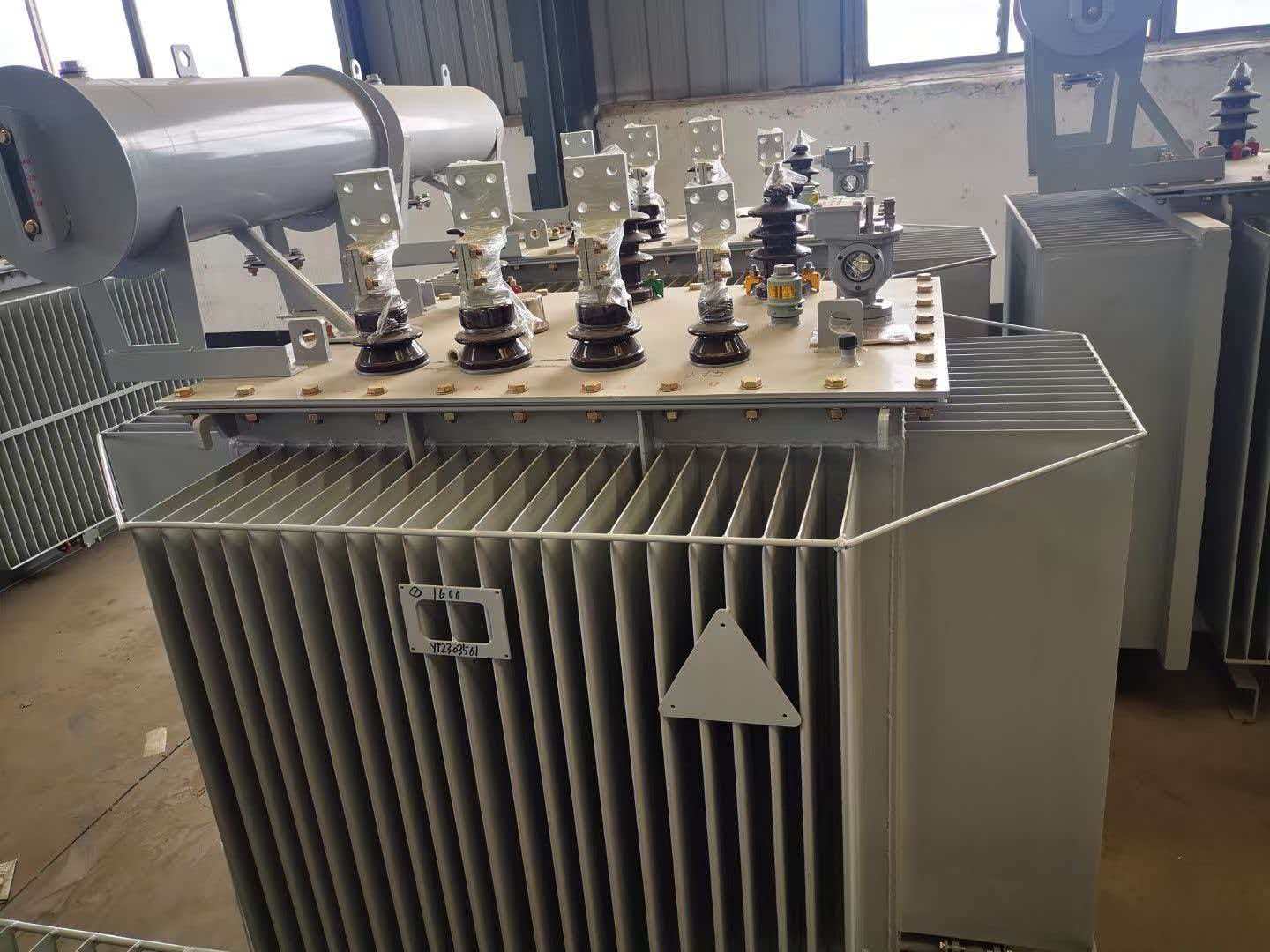
A vacuum circuit breaker is a critical component in electrical distribution systems, designed to interrupt fault currents and protect equipment from damage. Regular testing and inspection of these devices ensure they function reliably when needed most. Understanding the common tests performed on a vacuum circuit breaker helps maintenance teams verify performance, identify potential issues early, and maintain system safety and compliance with industry standards.
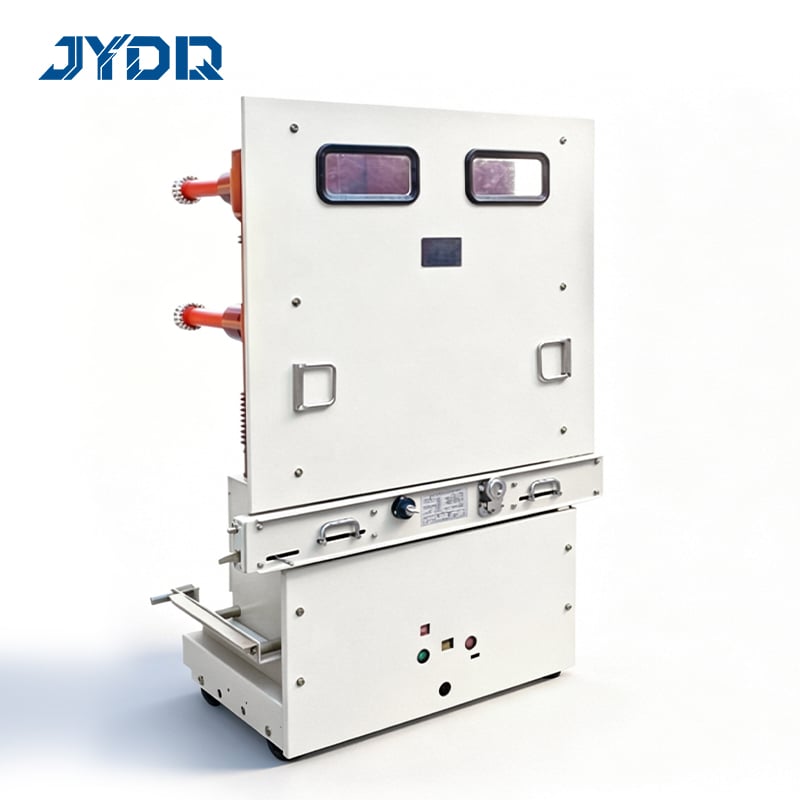
Testing a vacuum circuit breaker involves multiple procedures that assess mechanical function, electrical integrity, and operational safety. These tests range from visual inspection to sophisticated timing measurements, all designed to confirm the breaker meets design specifications and responds correctly to fault conditions. Proper breaker testing protocols help prevent unexpected failures and extend equipment lifespan.
Visual Inspection and Mechanical Tests
Initial Assessment and Contact Examination
The first stage of vacuum circuit breaker inspection involves a thorough visual examination of the device's external condition and contact surfaces. Technicians check for signs of corrosion, mechanical damage, dirt accumulation, and proper alignment of moving components. Contact erosion is a natural occurrence in vacuum circuit breakers, but excessive erosion can compromise performance. Measurement of contact wear using specialized tools determines whether contacts remain within acceptable limits or require replacement. This fundamental inspection detects obvious defects before more advanced testing begins.
Mechanical Operating Tests
Mechanical operating tests verify that the vacuum circuit breaker's moving parts operate smoothly and respond to control signals. Manual operation testing checks whether the breaker trips and closes manually without binding or excessive friction. Spring mechanisms must maintain proper tension to ensure reliable automatic operation during faults. Operating mechanism inspection ensures all linkages, latches, and mechanical components function synchronously. These tests confirm the vacuum circuit breaker can physically perform its intended motion under normal and fault conditions.
Electrical Performance and Timing Measurements
Timing Test Procedures
A timing test is one of the most critical evaluations performed on a vacuum circuit breaker. This test measures the speed at which the breaker responds to a trip signal, from the moment current interruption begins until the contacts separate completely. Standards specify maximum allowable timing to ensure the breaker operates fast enough to minimize fault duration and thermal stress. Timing test equipment records contact separation in milliseconds, ensuring response falls within design parameters. Modern timing test systems use high-speed measurement technology to capture precise intervals. The timing test directly impacts system protection effectiveness and personnel safety during fault events.
Insulation Resistance Testing
Insulation resistance testing measures the dielectric strength of the vacuum circuit breaker's internal and external insulation. High voltage is applied between contacts and ground to verify insulation integrity and detect moisture or contamination. Results are compared against baseline measurements and manufacturer specifications to identify degradation. Testing at specific voltage levels ensures the vacuum circuit breaker can withstand normal operating voltages and transient overvoltages without breakdown. Insulation resistance trending helps predict failures before they occur.
Advanced Diagnostic and Performance Verification
Vacuum Integrity Assessment
Since the vacuum circuit breaker's core function depends on vacuum maintaining its arc-quenching ability, vacuum integrity testing is essential. Helium leak detection or similar methods confirm the vacuum chamber seal remains intact and vacuum pressure is maintained. Loss of vacuum compromises the breaker's ability to extinguish arcs properly, creating failure risk. Vacuum monitoring during operation detects slow leaks that might not immediately cause problems but indicate pending failure. This inspection protects system reliability and ensures the vacuum circuit breaker performs as designed.
Contact Resistance Measurement
Contact resistance testing measures electrical resistance across the breaker contacts when closed. Excessive resistance generates heat and reduces current-carrying capacity, indicating contact degradation. Four-point resistance measurement techniques eliminate connection lead effects and provide accurate contact surface resistance. Trending contact resistance over time reveals deterioration patterns that justify maintenance intervention. Low resistance confirms good electrical contact and confirms the vacuum circuit breaker maintains proper current flow without unnecessary losses.
Compliance and Standards-Based Testing
Regulatory and Factory Testing Standards
Vacuum circuit breaker inspection and breaker testing must comply with international and regional standards including IEC and IEEE guidelines. Factory testing verifies new vacuum circuit breakers meet specifications before shipment, including dielectric, mechanical, and thermal performance tests. Field testing protocols follow manufacturer recommendations and utility standards for periodic maintenance intervals. Documentation of all test results creates maintenance records essential for warranty claims and regulatory compliance. Testing ensures equipment meets established safety and performance benchmarks throughout its operational life.
Preventive Maintenance Testing Programs
Scheduled preventive maintenance programs establish routine inspection intervals based on equipment age, environmental conditions, and operational history. Regular breaker testing in preventive maintenance programs identifies wear trends before failures occur. Condition-based monitoring extends intervals for equipment showing good performance while increasing frequency for devices showing degradation. Documentation of trending data supports decisions about reconditioning or replacement timing. This proactive approach reduces unexpected outages and optimizes maintenance budgets while keeping vacuum circuit breaker systems operating safely.
FAQ
How often should a vacuum circuit breaker undergo timing test procedures?
Timing test frequency depends on utility standards and equipment history, typically ranging from annually to every three to five years. Newly installed vacuum circuit breakers may require baseline timing measurements, while older equipment benefits from more frequent testing to detect degradation. Environmental conditions, operational stress, and any trip events influence testing intervals. Manufacturers often specify minimum testing requirements in technical documentation. Local regulations and equipment criticality also determine appropriate testing schedules.
What does inspection of a vacuum circuit breaker typically reveal?
Inspection reveals contact wear patterns, mechanical wear on moving parts, vacuum integrity status, and signs of environmental contamination or corrosion. Visual examination combined with measurement tools quantifies wear severity and predicts remaining service life. Abnormal findings trigger follow-up electrical testing to confirm function remains acceptable. Early detection of wear allows planned maintenance scheduling rather than emergency repairs. Comprehensive inspection protects system reliability and prevents unexpected failures during critical operation.
Why is breaker testing important for vacuum circuit breaker safety and performance?
Breaker testing confirms the vacuum circuit breaker responds correctly to faults, protecting equipment and personnel from damage caused by uninterrupted fault current. Regular testing identifies degradation before failure occurs, preventing unexpected outages and safety hazards. Documented test results demonstrate compliance with regulatory requirements and support insurance and warranty claims. Testing validates that design specifications are maintained throughout the device's operational life. This commitment to thorough testing ensures equipment delivers the protection systems depend upon when faults occur.

 EN