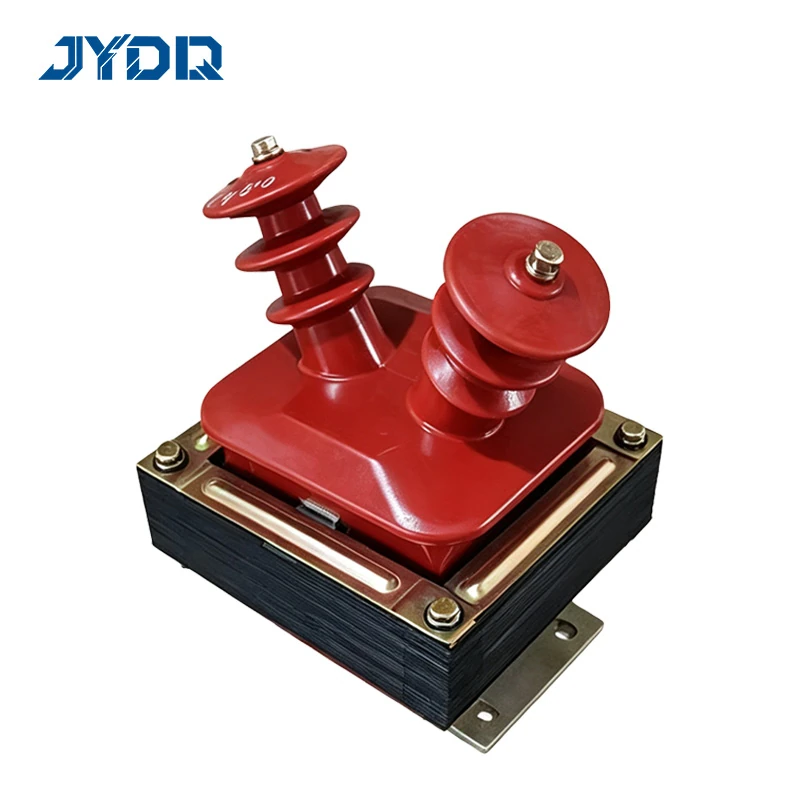
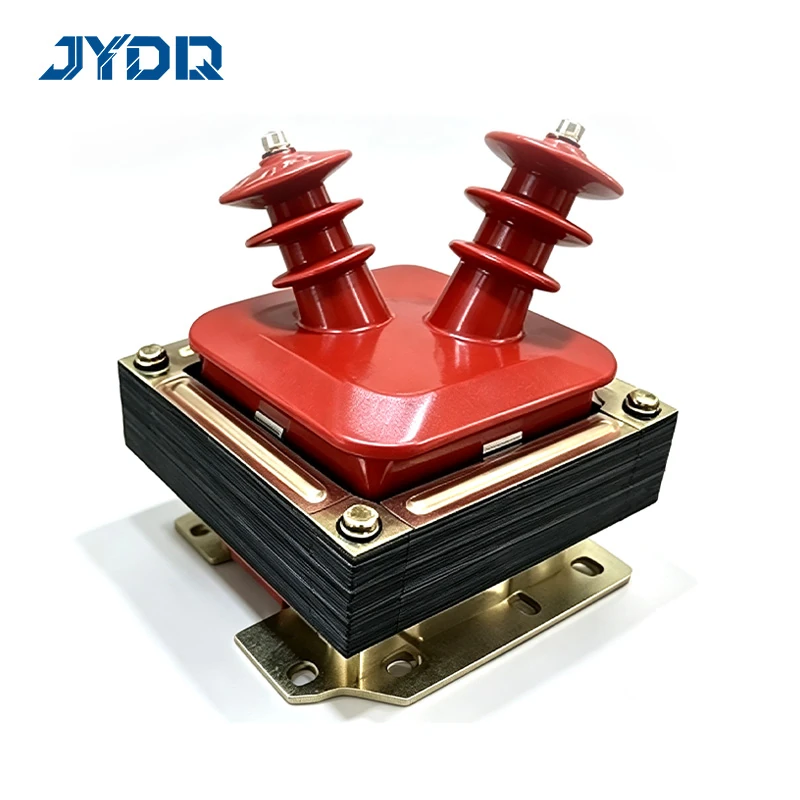
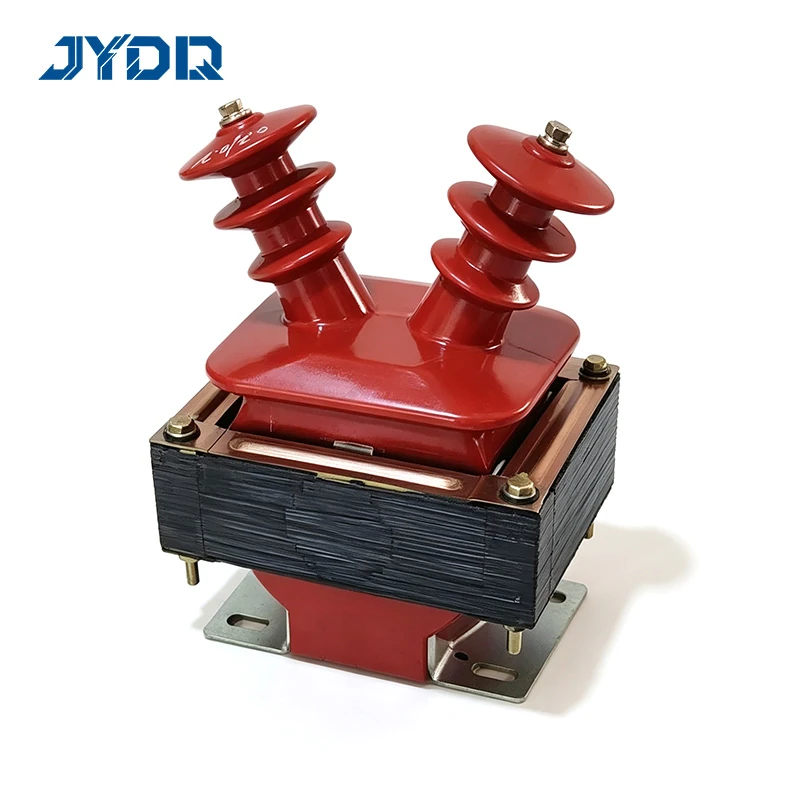
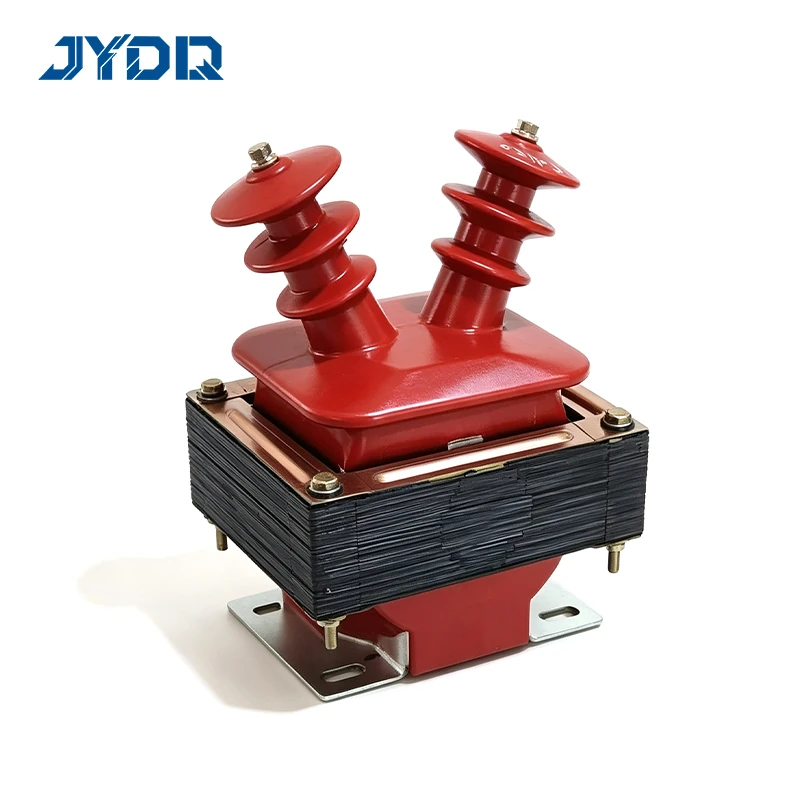
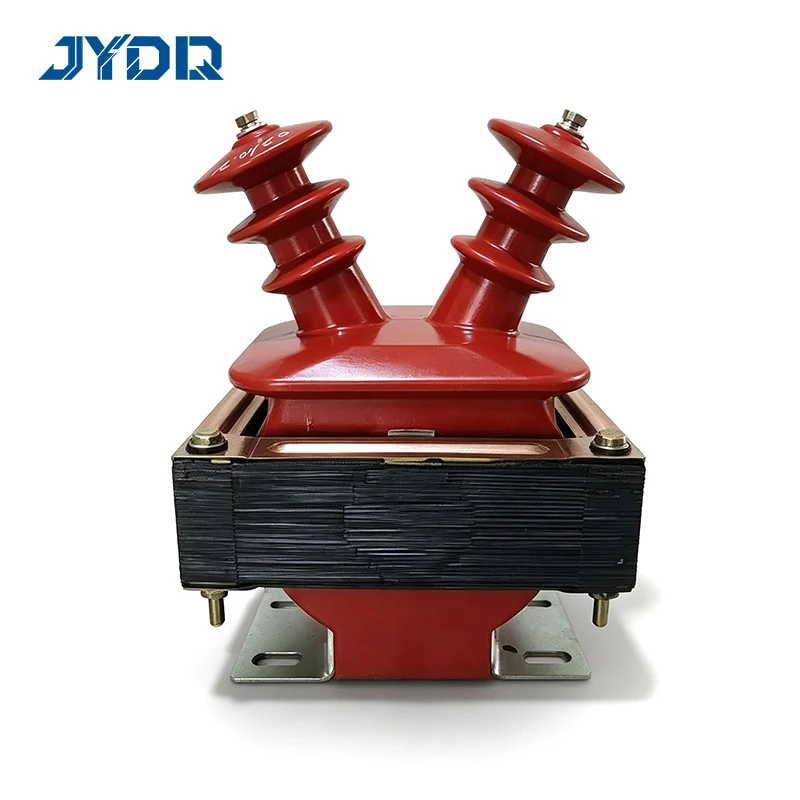
JDZ(J)-3,6,10Q Cast-Resin Voltage Transformer Series
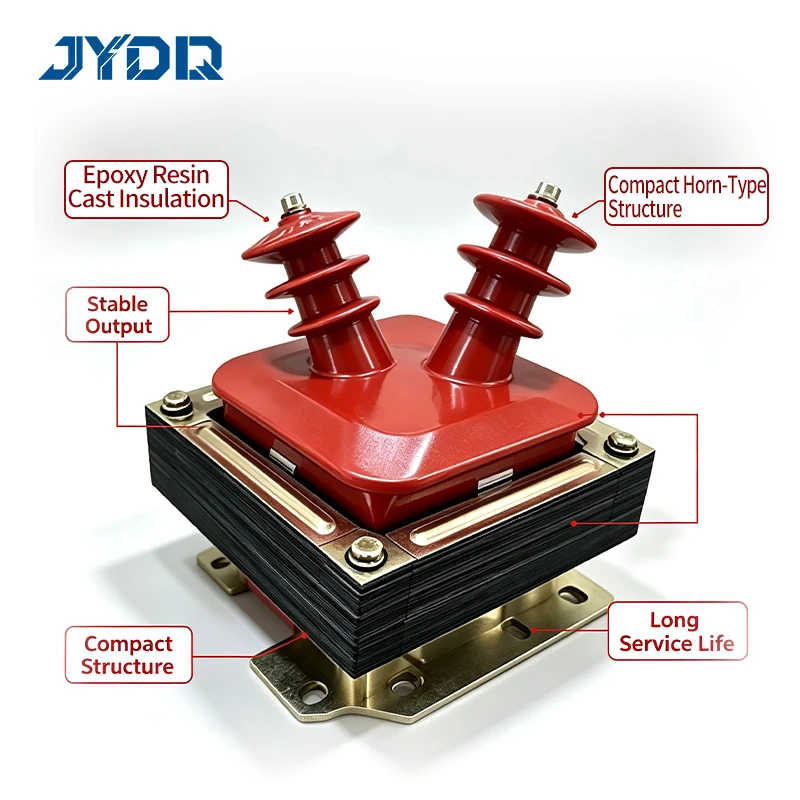
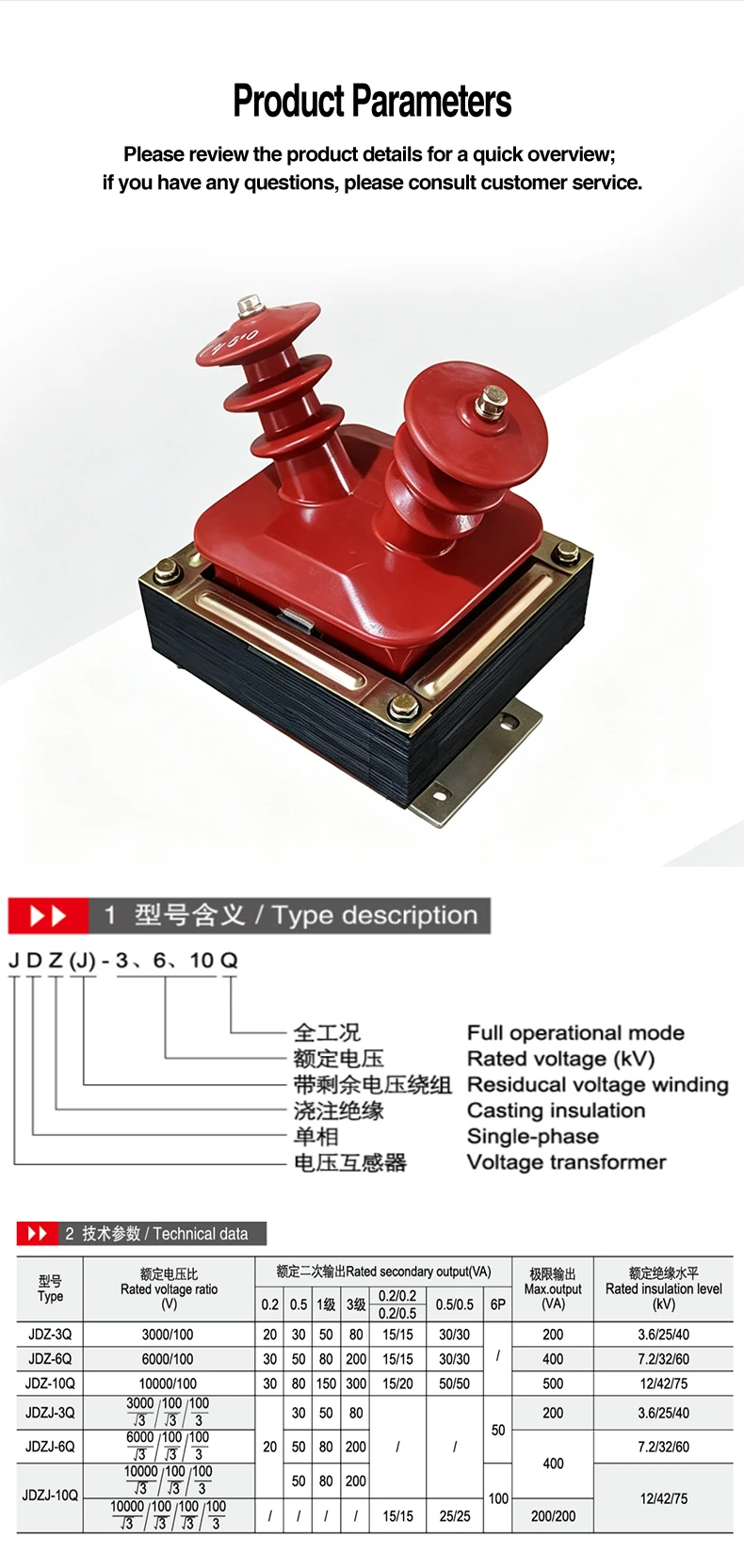
The JDZ(J)-3,6,10Q 10kV cast-resin transformer series is a full-operational-mode single-phase instrument transformer designed for 3 kV, 6 kV, and 10 kV distribution circuits. Available in standard JDZ voltage transformer and residual-winding JDZJ residual voltage transformer variants, selection is strictly configuration-dependent. The required primary value, secondary arrangement, accuracy class, burden, insulation level, and residual-voltage function must be reviewed together as a complete measurement chain. The series uses cast insulation; the supplied image material identifies an epoxy-resin cast-insulation structure. It does not, however, establish additional environmental ratings, so those should not be assumed.
Configuration and Rating Overview
The series covers nominal 3 kV, 6 kV, and 10 kV applications. JDZ-3Q is listed at 3000/100, JDZ-6Q at 6000/100, and JDZ-10Q at 10000/100. When specifying a JDZJ residual voltage transformer, models use primary values expressed with the square root of three and listed 100/√3 and 100/3 secondary values; the four-winding JDZJ-10Q arrangement also includes two 100/√3 secondary values and one 100/3 value. This difference is not cosmetic: the secondary circuit, connected burden, relay duty, and metering duty must match the proposed row. A familiar 10 kV rating is not proof that a specific protection output, residual winding, or combined secondary is included.
| Listed family |
Representative ratio |
Listed maximum output |
Listed insulation level |
| JDZ-3Q |
3000/100 |
200 VA |
3.6/25/40 kV |
| JDZ-6Q |
6000/100 |
400 VA |
7.2/32/60 kV |
| JDZ-10Q |
10000/100 |
500 VA |
12/42/75 kV |
| JDZJ range |
3000/√3 to 10000/√3 with listed secondary arrangements |
By configuration |
By model |
The listed output classes include 0.2, 0.5, class 1, class 3, combined outputs, and 6P, but they are not universal across every model. For example, the supplied table marks the 6P column as not applicable for the three JDZ models, while it lists 6P output for applicable JDZJ arrangements. The practical distinction is between a catalog value and a workable circuit. A stated accuracy class only has meaning alongside its assigned burden and intended duty.
Features to Evaluate
When reviewing this 10kV cast-resin transformer family, evaluate the following technical characteristics:
-
Single-phase cast-insulation construction: Identified as a cast-insulation range, with OCR material referring to epoxy-resin cast insulation for robust dielectric performance.
-
3/6/10 kV family coverage: Each nominal-voltage family has its own ratio, output, and insulation-level entries.
-
Residual-voltage option: The JDZJ residual voltage transformer configurations are the listed family with a residual-voltage winding; confirm the exact secondary arrangement required by the circuit.
-
Metering and protection choices: Listed classes and burdens must be assigned per secondary circuit rather than generalized across the series.
-
Configuration-based output: Supplied values include 200 VA, 400 VA, 500 VA, and 200/200 VA, depending on the model and winding arrangement.
A Selection Framework for the Series
Selecting the correct single-phase instrument transformer requires a structured approach:
-
Start with the primary system value. Identify whether the circuit is 3 kV, 6 kV, or 10 kV, then compare it with the corresponding listed family.
-
Define the secondary function. State whether the circuit requires metering, protection, residual-voltage measurement, or a combination of these functions.
-
Check the residual-voltage need. Where that function is required, evaluate the applicable JDZJ residual voltage transformer configuration rather than assuming it from nominal voltage.
-
Match ratio, winding count, class, and burden. Compare every proposed primary and secondary value with the selected line of the technical data.
-
Review the system interface. Confirm switchgear interface, cable arrangement, relay scheme, insulation level, and project requirements with qualified personnel.
Typical Application Contexts
Metering in distribution circuits
For a single-phase 3 kV, 6 kV, or 10 kV distribution circuit without a residual-voltage requirement, a listed JDZ voltage transformer may be evaluated once the primary ratio, class, burden, and insulation entry are aligned with the design. The available 0.2, 0.5, class 1, and class 3 entries should be read as configuration-specific values. If the connected metering burden changes, the intended class should be reconfirmed rather than inferred from a different row.
Residual-voltage and earth-fault-related schemes
Where a protection concept calls for residual-voltage measurement or an earth-fault-related function, review the relevant JDZJ residual voltage transformer arrangement. The supplied material distinguishes those models through the bracketed J and gives listed secondary values that include 100/√3 and 100/3. For a relay circuit requiring 6P, verify the exact JDZJ row and listed VA value. The transformer should be selected as part of the approved relay and secondary-circuit design, not as an isolated substitute.
Specification and RFQ preparation
For procurement of this 10kV cast-resin transformer, send a line-by-line requirement rather than only a family designation. A useful inquiry states the selected model, primary voltage, full ratio, every secondary value, number of windings, accuracy class, rated output, insulation level, and duty assigned to each secondary. This reduces the chance that a quotation is technically close but omits a required winding or assigns an output class too broadly.
How This Series Differs in Practice
The key differentiator is not a broad claim of universal suitability; it is the ability to match a defined circuit duty to a listed configuration. The supplied data separates the JDZ voltage transformer and JDZJ residual voltage transformer families by residual-voltage function and supplies values across several voltage levels, ratios, classes, and output arrangements. That gives an engineering team a clear basis for comparison while preserving the need to validate the exact proposal.
In the broader project discussion, power quality improvement methods and the question what is medium voltage can frame system planning, but neither substitutes for the ratio-and-burden review. A zero sequence current transformer is a separate device category; it is not interchangeable with a residual-voltage winding. Confirm each component against the approved protection design.
Engineering and Procurement Checklist
- Confirm the system voltage and exact primary ratio for the JDZ voltage transformer.
- Specify each secondary value and number of windings.
- State the metering or protection duty for every secondary.
- Match the accuracy class and VA burden to the connected circuit.
- Verify whether a residual-voltage winding and a JDZJ residual voltage transformer arrangement are required.
- Compare the listed insulation level with the project requirement.
- Confirm applicable standard category, edition, test scope, documentation, and market-specific requirements with the supplier and relevant project parties.
- Confirm current configuration availability and commercial terms before ordering.
Decision Summary
The JDZ(J)-3,6,10Q 10kV cast-resin transformer series should be assessed as a configuration-dependent single-phase instrument transformer range. Use the system voltage to narrow the family, determine whether JDZJ residual voltage transformer capability is needed, verify every ratio and winding, assign class and burden per secondary circuit, and then validate the complete arrangement against the project design. This approach retains the supplied product facts without turning catalog entries into unsupported universal claims.

 EN