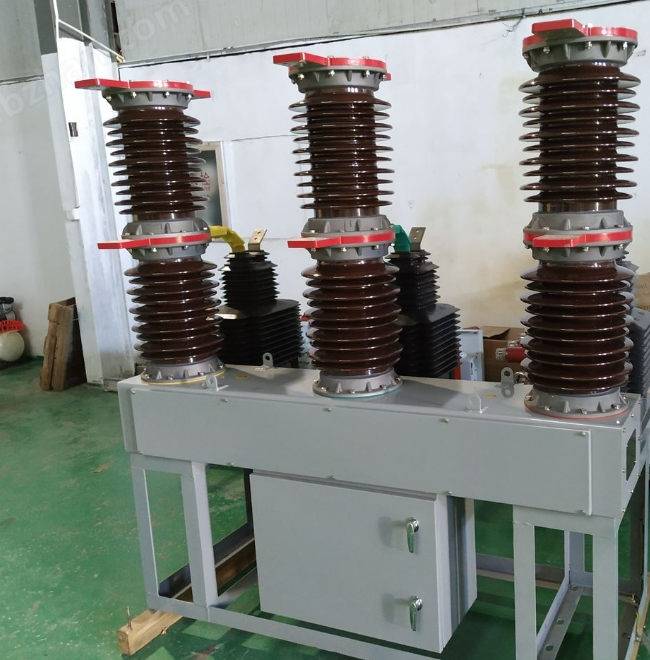
The vacuum circuit breaker has become the standard choice for medium voltage power distribution across industrial facilities, utility networks, and commercial installations worldwide. This dominance reflects a combination of technical superiority, operational reliability, and economic efficiency that competing technologies simply cannot match. Understanding why VCB systems prevail in this critical infrastructure segment is essential for engineers, facility managers, and decision-makers evaluating switchgear solutions.
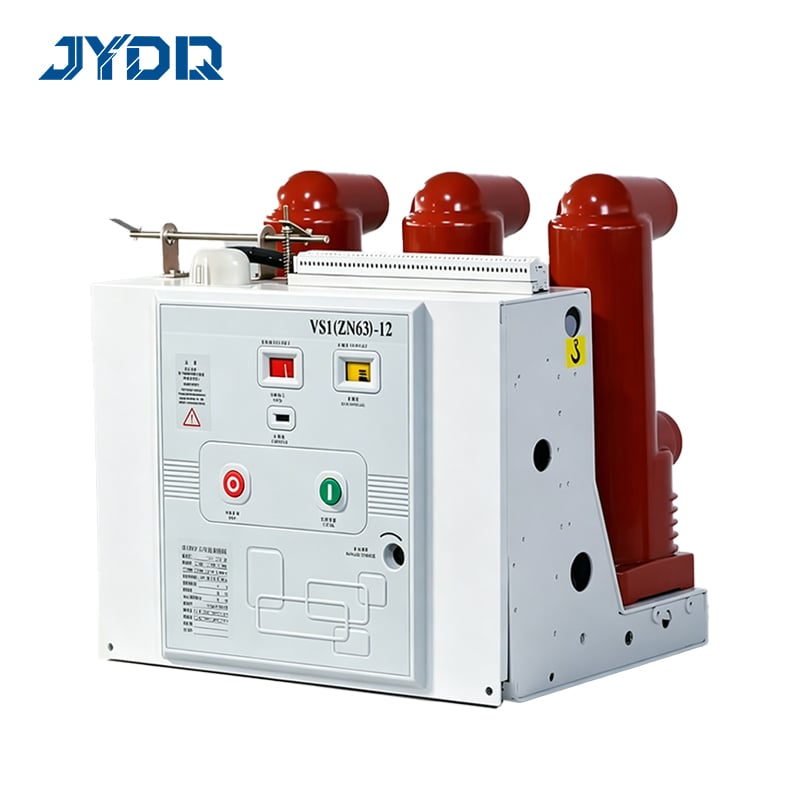
Medium voltage power distribution systems demand equipment that delivers consistent performance under demanding electrical and thermal conditions. VCB technology meets these requirements through its inherent design advantages, superior arc suppression capabilities, and extended operational lifespan. The widespread adoption of vacuum circuit breakers in medium voltage applications stems from decades of proven field performance and the continuous evolution of VCB engineering standards.
Arc Suppression and Dielectric Performance
Vacuum as Superior Arc Medium
The vacuum environment inside a vacuum circuit breaker provides exceptional arc suppression properties that make it uniquely suited for medium voltage protection. When electrical contacts separate within a vacuum chamber, the arc formed between the contacts extinguishes rapidly because the vacuum environment lacks the ionized gas molecules that sustain electrical arcs in conventional air or SF6-insulated breakers. This fundamental physics principle ensures that arcs collapse almost instantaneously after current zero crossing, typically within microseconds. The result is dramatically reduced arcing time, minimal contact erosion, and substantially longer mechanical life of the switching mechanism compared to alternative technologies.
Dielectric Strength and Insulation Recovery
Medium voltage systems commonly operate at voltages between 1 kV and 35 kV, where robust dielectric performance becomes critically important for system stability and personnel safety. The vacuum environment between VCB contacts regenerates dielectric strength instantaneously after arc extinction, achieving full insulation recovery in fractions of a millisecond. This rapid dielectric recovery capability means the vacuum circuit breaker can reliably interrupt the next fault current cycle without reignition risk. The high vacuum quality maintained inside modern VCB chambers ensures consistent dielectric performance throughout the breaker's operational lifespan, delivering predictable and dependable medium voltage protection year after year.
Operational Advantages and Maintenance Efficiency
Reduced Maintenance Requirements
Compared to traditional air-break or oil-immersed breakers, VCB systems demand substantially lower maintenance investment over their operational lifetime. The vacuum chamber protects internal contacts from oxidation, corrosion, and atmospheric contamination that inevitably degrade conventional switchgear. Contact wear remains minimal because arc energy dissipates into the vacuum rather than creating oxidized contact surfaces or carbonized deposits. This advantage translates directly into reduced labor costs, fewer scheduled maintenance intervals, and decreased downtime in medium voltage distribution networks. Industrial facilities benefit from improved equipment availability and more predictable operational budgets when deploying VCB technology across their power distribution infrastructure.
Environmental and Safety Benefits
Modern vacuum circuit breaker installations eliminate the environmental and health risks associated with oil-filled breakers or SF6-insulated equipment. No flammable or toxic fluids require handling, storage, or disposal, simplifying facility operations and reducing regulatory compliance burden. The absence of pressurized gas systems eliminates rupture hazards and gas containment concerns that complicate the deployment of SF6 equipment. Personnel working near VCB installations face minimal risk from insulating fluid exposure or high-pressure gas leaks. These combined advantages make medium voltage vacuum circuit breakers increasingly attractive to industrial operators and utilities pursuing sustainability goals and enhanced workplace safety standards.
Cost-Effectiveness and Lifecycle Value
Capital and Operating Cost Comparison
The total cost of ownership for vacuum circuit breaker systems compares favorably against competing medium voltage technologies when both capital expenditure and long-term operating costs are evaluated comprehensively. Initial purchase prices for VCB equipment have declined significantly as manufacturing efficiency has improved and competition in the market has intensified. However, the more compelling economic argument emerges from lifecycle analysis: lower maintenance spending, extended operational life, reduced unplanned downtime, and minimal consumable replacement drive total cost of ownership substantially below air-break or oil-immersed alternatives. Power distribution networks that deployed VCB technology twenty years ago demonstrate continued reliable operation with minimal intervention, validating the exceptional durability and reliability that justify initial equipment investment.
Scalability for Expanding Distribution Systems
Industrial facilities and utility networks frequently require switchgear upgrades to accommodate growing power demand and system expansion. VCB installations support straightforward capacity upgrades and system modifications because the vacuum technology itself imposes minimal footprint constraints or operational limitations. Medium voltage distribution systems can integrate additional VCB modules without requiring complete system redesign or extensive site modifications. This scalability advantage reduces capital expenditure when facilities must expand their electrical infrastructure, and it enables phased deployment strategies that minimize operational disruption. The modular nature of modern VCB equipment makes it particularly valuable for growing industrial operations and utility systems navigating capacity transitions over extended timeframes.
FAQ
What specific voltage range defines medium voltage for VCB applications?
Medium voltage systems typically encompass electrical networks operating between 1 kV and 35 kV, though some standards extend the upper boundary to 52 kV. VCB technology performs exceptionally well across this entire range, making vacuum circuit breakers the dominant choice for standard distribution voltages in industrial, commercial, and utility settings. The performance characteristics of VCB systems remain consistent across the medium voltage spectrum, ensuring reliable operation whether protecting 6 kV distribution feeders or 34.5 kV utility transmission branches.
How does VCB performance in high-fault-current scenarios compare to alternative technologies?
Vacuum circuit breakers excel in high-fault-current interruption because the vacuum environment provides superior arc suppression even when fault currents reach tens of thousands of amperes. The dielectric strength recovery inherent to vacuum technology ensures that even after interrupting maximum design-fault currents, the breaker can reliably reclose and interrupts subsequent transient overvoltages without breakdown risk. This fault-current handling capability makes VCB systems particularly suitable for medium voltage protection in industrial plants with large motor loads or utility substations experiencing high fault duty levels.
Are vacuum circuit breakers suitable for switchgear retrofit applications in existing facilities?
Yes, VCB technology integrates readily into retrofit projects updating aging medium voltage switchgear installations. Modern vacuum circuit breakers feature mounting and interface dimensions compatible with legacy switchgear frames, enabling straightforward replacement of older air-break or oil-immersed equipment without requiring complete cubicle redesign. Retrofitting existing medium voltage distribution systems with VCB equipment delivers immediate improvements in reliability, reduced maintenance burden, and enhanced safety without disrupting facility operations or requiring extensive infrastructure modification.

 EN