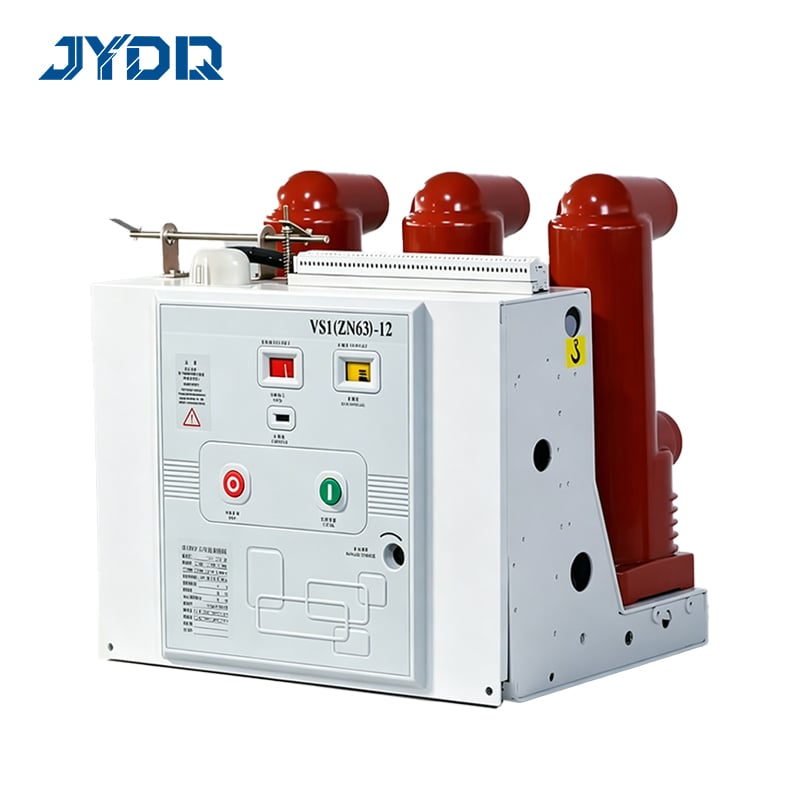
Vacuum circuit breakers represent one of the most reliable electrical switching devices in modern power distribution systems, yet their performance hinges on a factor many operators overlook: contact resistance. The integrity of electrical contacts within these breakers directly determines their ability to safely interrupt faults, maintain system stability, and prevent catastrophic failures. Understanding why contact resistance testing matters is essential for anyone responsible for electrical infrastructure reliability and asset longevity.
Contact resistance testing serves as a diagnostic window into the operational health of vacuum circuit breakers. Over time, contact surfaces degrade due to electrical arcing, mechanical wear, and environmental exposure. Regular breaker testing through contact resistance measurement allows maintenance teams to identify degradation patterns before they escalate into operational failures. This proactive approach transforms maintenance from reactive crisis management into strategic asset protection.
The Critical Role of Contact Resistance in Breaker Performance
Understanding Contact Resistance Fundamentals
Contact resistance occurs at the interface where electrical current transitions between the breaker's fixed and moving contacts. Even microscopic surface irregularities create resistance that generates heat during current flow. In vacuum circuit breakers, this resistance must remain within strict limits because excessive heat accelerates contact erosion and can compromise the vacuum seal itself. Contact resistance testing quantifies this resistance with precision, revealing whether contacts are operating within acceptable parameters or approaching critical thresholds.
Impact on System Reliability and Safety
When contact resistance increases beyond specification, multiple failure modes emerge. First, increased heating reduces the breaker's ability to carry rated current without thermal stress. Second, elevated resistance causes voltage drops across contacts during fault conditions, reducing the effectiveness of protective relaying and potentially allowing dangerous fault currents to persist longer than intended. Third, excessive contact degradation can eventually cause the breaker to fail to interrupt faults entirely, creating catastrophic consequences for connected equipment and personnel safety. Breaker testing through contact resistance measurement prevents all three scenarios by detecting degradation before critical thresholds are crossed.
Maintenance Strategies Through Systematic Contact Resistance Testing
Establishing Baseline Measurements and Trending
Effective maintenance begins with establishing baseline contact resistance values for each vacuum circuit breaker when newly installed or after maintenance. These baseline measurements become reference points for all future breaker testing activities. By measuring contact resistance at regular intervals and plotting results over time, maintenance teams identify trending patterns that reveal contact degradation rates. A gradual increase in contact resistance indicates normal wear and allows time for planned maintenance. Sudden spikes signal potential problems requiring immediate investigation. This data-driven approach to maintenance eliminates guesswork and transforms condition monitoring into science-based decision making.
Integrating Contact Resistance into Preventive Maintenance Programs
Contact resistance testing should be incorporated into scheduled maintenance intervals, typically annually for critical breakers and bi-annually for standard applications. Each breaker testing event generates actionable data that informs maintenance decisions. Some organizations use contact resistance results to extend service intervals on breakers demonstrating stable, low resistance values, while accelerating maintenance for those showing degradation trends. This risk-based scheduling maximizes operational uptime while ensuring resources focus on equipment most likely to fail. Advanced maintenance programs correlate contact resistance data with operating cycles, load profiles, and environmental conditions to refine predictions further.
Best Practices for Effective Breaker Testing Programs
Selection of Appropriate Testing Equipment and Procedures
Modern contact resistance testing equipment employs microohm meters capable of measuring resistances in the range of one to several hundred microohms with high precision. These instruments inject precisely controlled current pulses through the contacts and measure resulting voltage drops, calculating resistance through Ohm's law. Proper breaker testing requires trained technicians familiar with equipment operation and safety protocols. Testing should follow manufacturer specifications and relevant industry standards to ensure data comparability and regulatory compliance. Equipment calibration and verification must occur regularly to maintain measurement accuracy, as even small calibration errors can lead to incorrect trending conclusions.
Documentation, Analysis, and Corrective Actions
Every contact resistance measurement must be documented with specific breaker identification, measurement date, technician name, environmental conditions, and test results. This documentation creates a historical record essential for trending analysis and supports compliance with regulatory requirements. When breaker testing reveals contact resistance values approaching manufacturer limits, maintenance teams should investigate root causes and determine appropriate corrective actions. Common interventions include contact cleaning for light contamination, mechanical adjustments to contact pressure, or contact replacement when degradation is severe. Each action should be tracked and validated through follow-up breaker testing to confirm effectiveness.
FAQ
What contact resistance values indicate that vacuum circuit breakers need maintenance?
Most manufacturers specify acceptable contact resistance limits in their technical documentation, typically ranging from 50 to 200 microohms depending on breaker design and current rating. Values exceeding the upper limit generally indicate the need for maintenance intervention. However, the rate of change matters as much as absolute values. Even if current measurements fall within acceptable limits, a rapid upward trend compared to previous breaker testing results may warrant proactive maintenance. Each equipment set should establish specific action thresholds based on manufacturer guidance and site-specific risk assessments.
How frequently should breaker testing and contact resistance measurements be performed?
The appropriate frequency for contact resistance testing depends on breaker criticality, operating environment, and historical performance data. Mission-critical breakers in challenging environments typically warrant annual or bi-annual measurement intervals. Less critical equipment in stable conditions might extend to three-year intervals once baseline trending is established. Environmental factors including humidity, temperature cycling, and contamination exposure significantly influence optimal testing frequencies. Organizations should review breaker testing results annually and adjust maintenance schedules based on actual degradation rates observed through contact resistance trending.
Can contact resistance testing be performed without deenergizing vacuum circuit breakers?
Proper breaker testing procedures require the equipment to be deenergized and isolated from all sources before contact resistance measurements begin. Attempting measurements on live equipment creates serious safety hazards for technicians and can produce inaccurate results due to stray currents. Many standards and safety regulations explicitly prohibit breaker testing under energized conditions. Always follow lockout-tagout procedures and verify absence of voltage before beginning any contact resistance measurements on vacuum circuit breakers or related equipment.

 EN