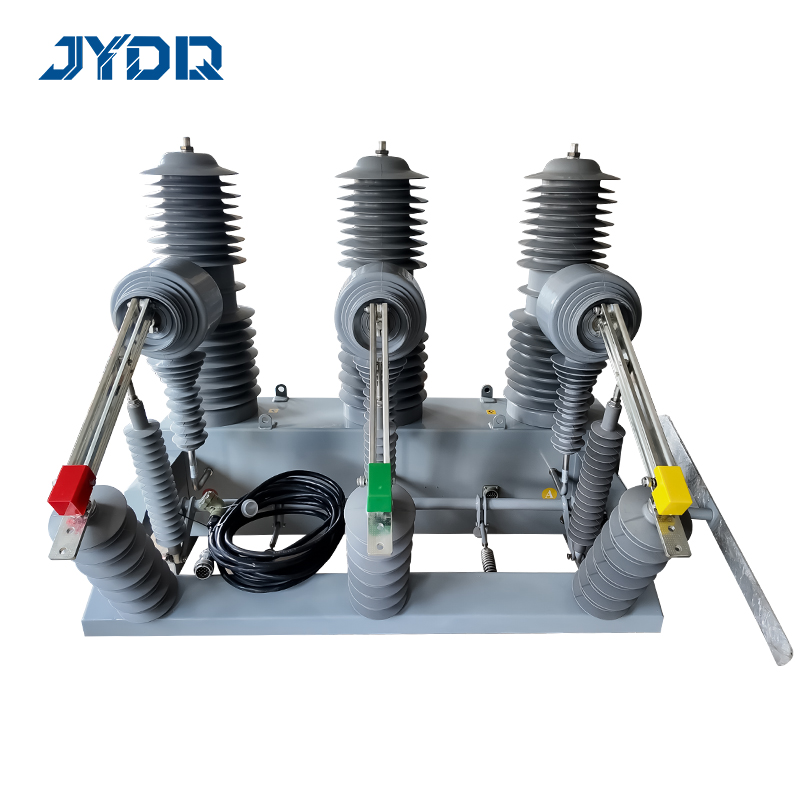
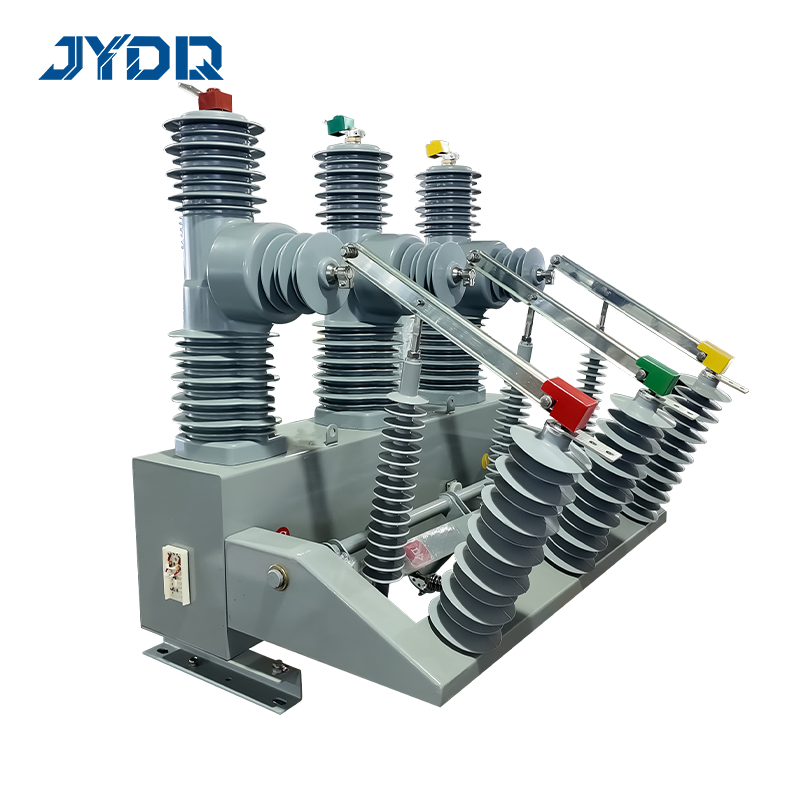
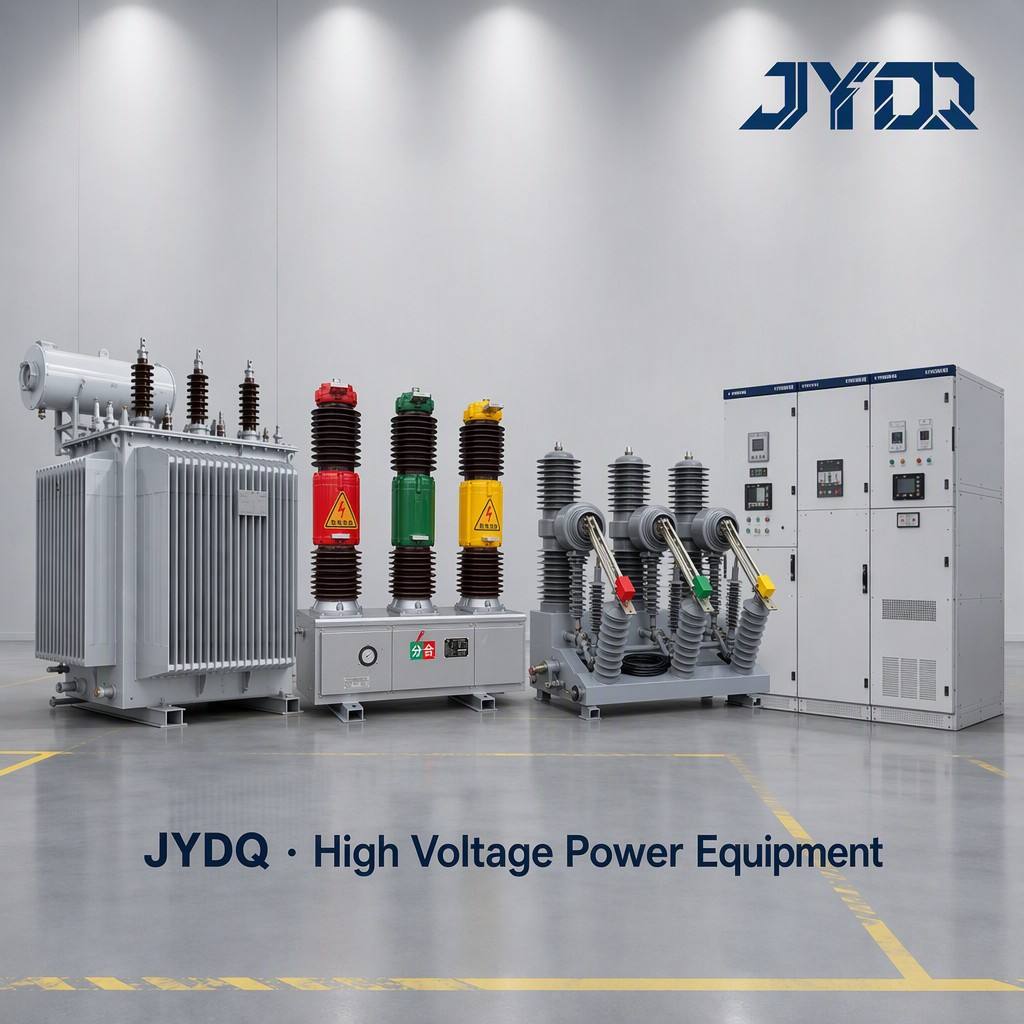
ZGS Prefabricated Fully Insulated and Sealed American-Style Pad-Mounted Transformer Substation Unit
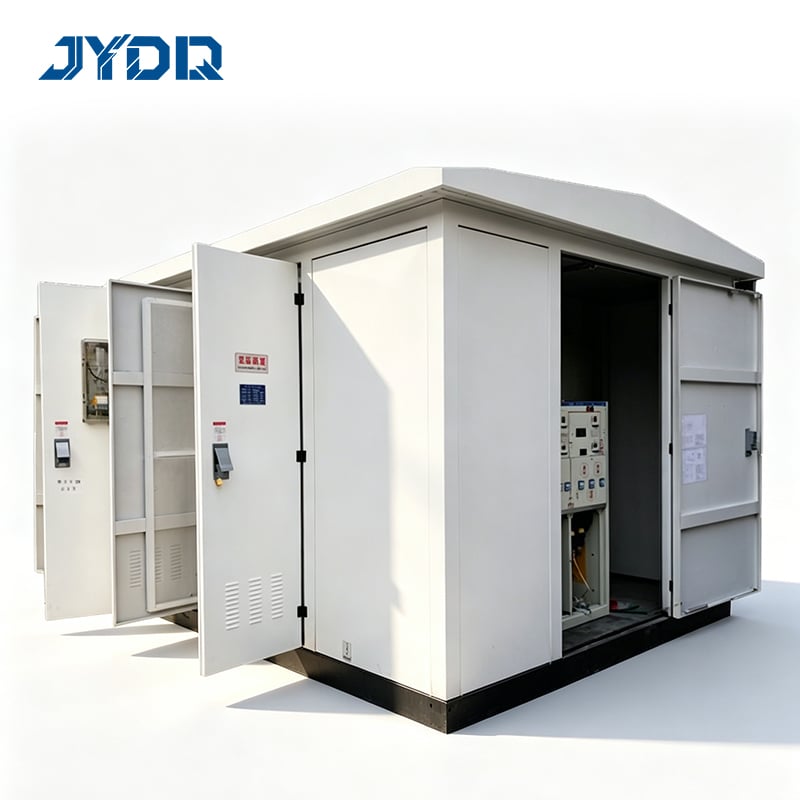
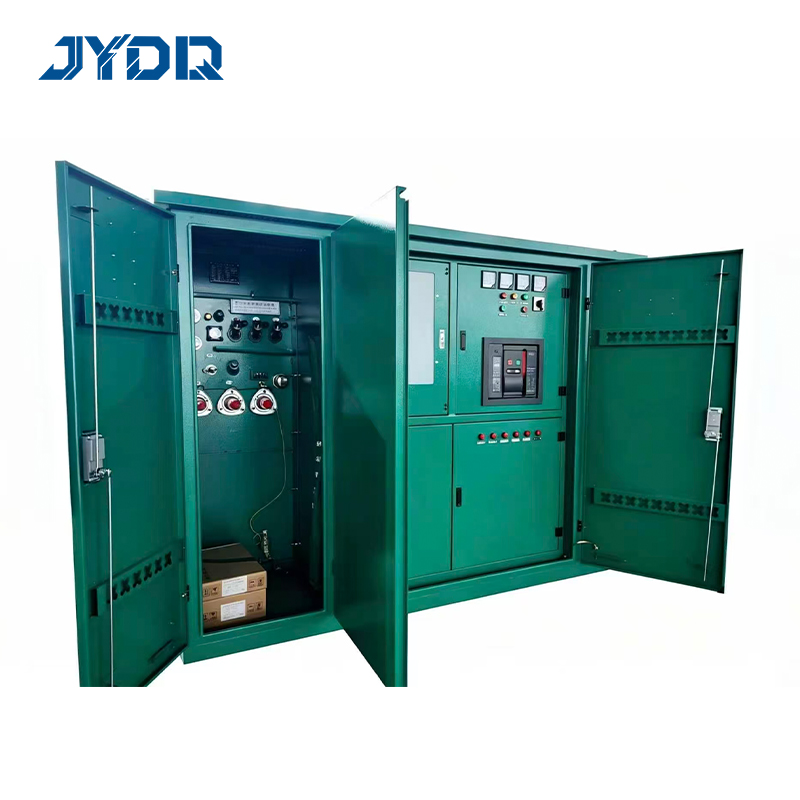
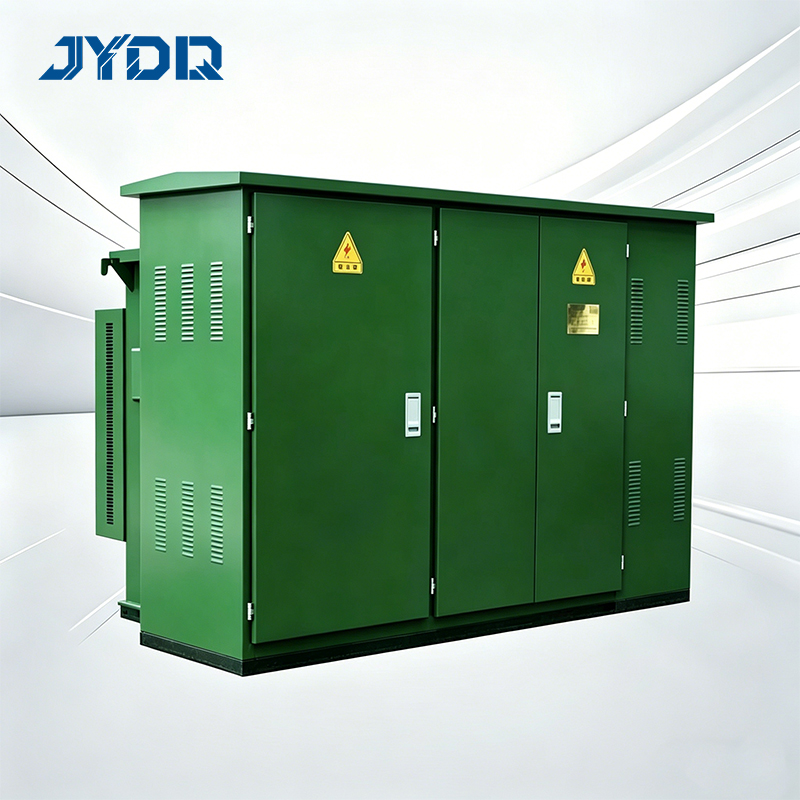
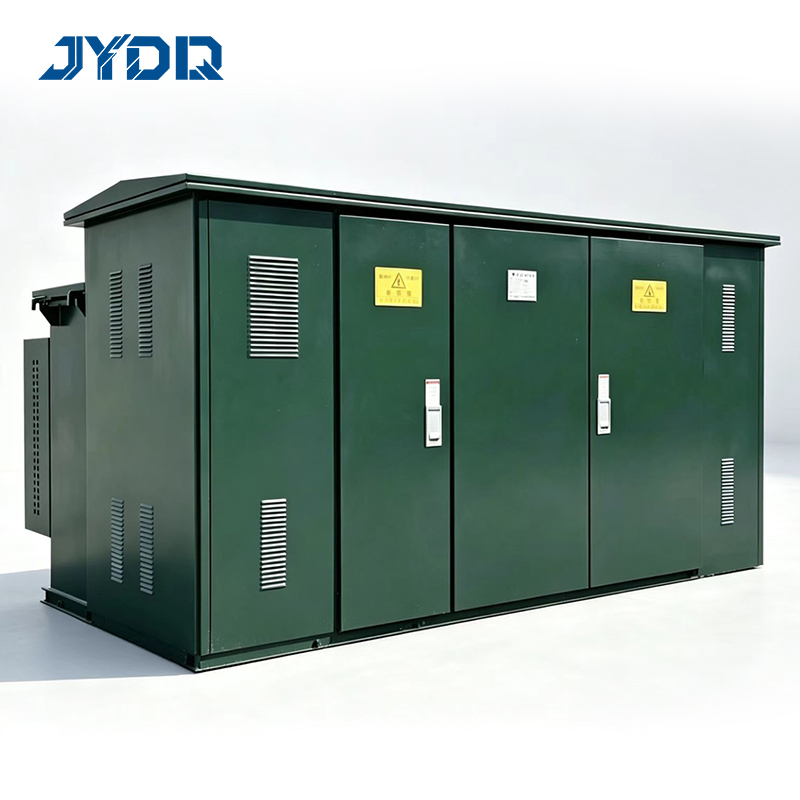
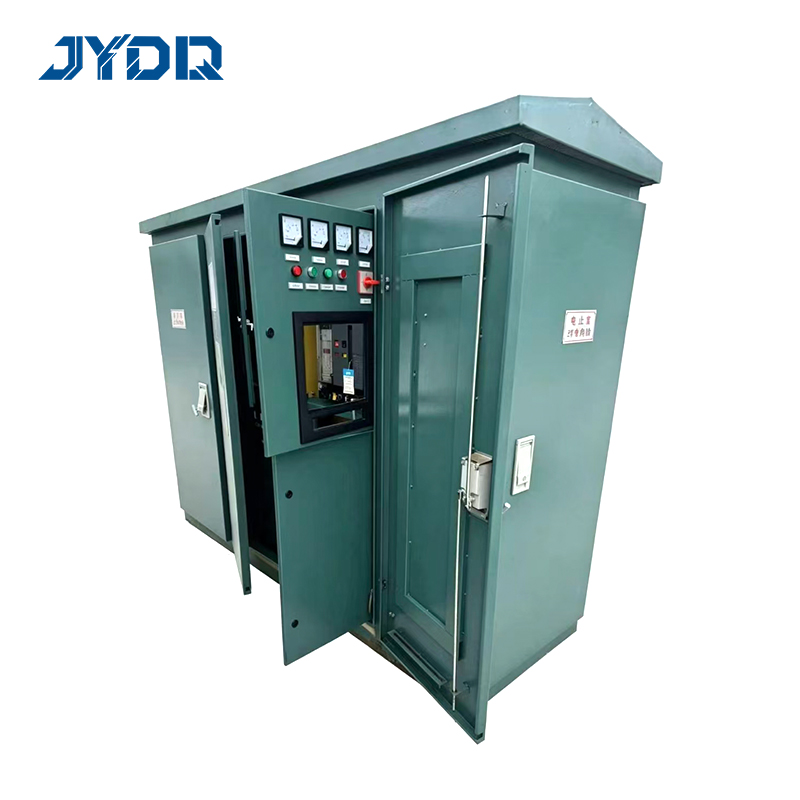
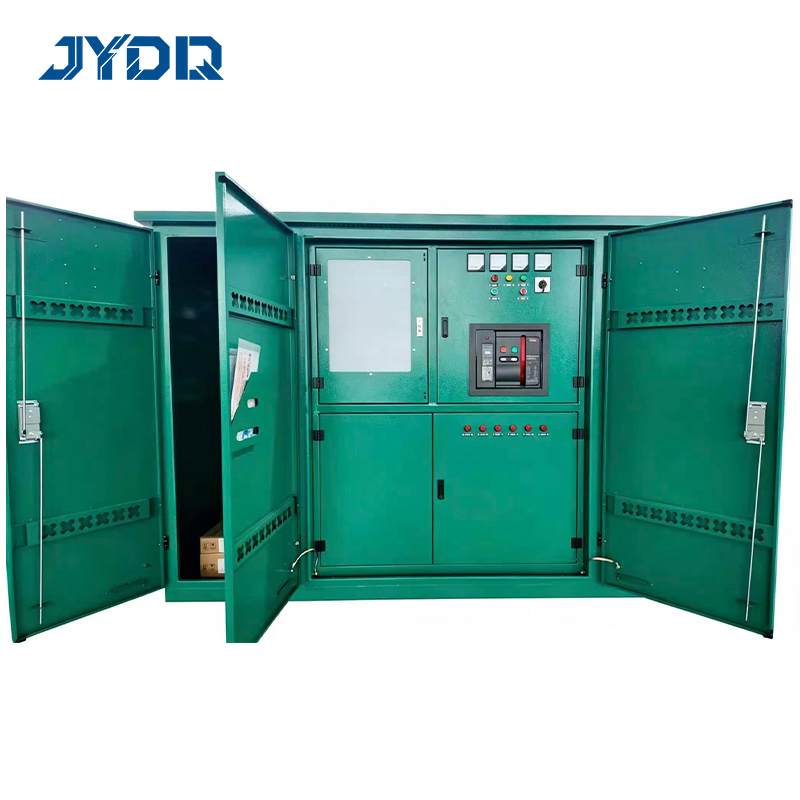
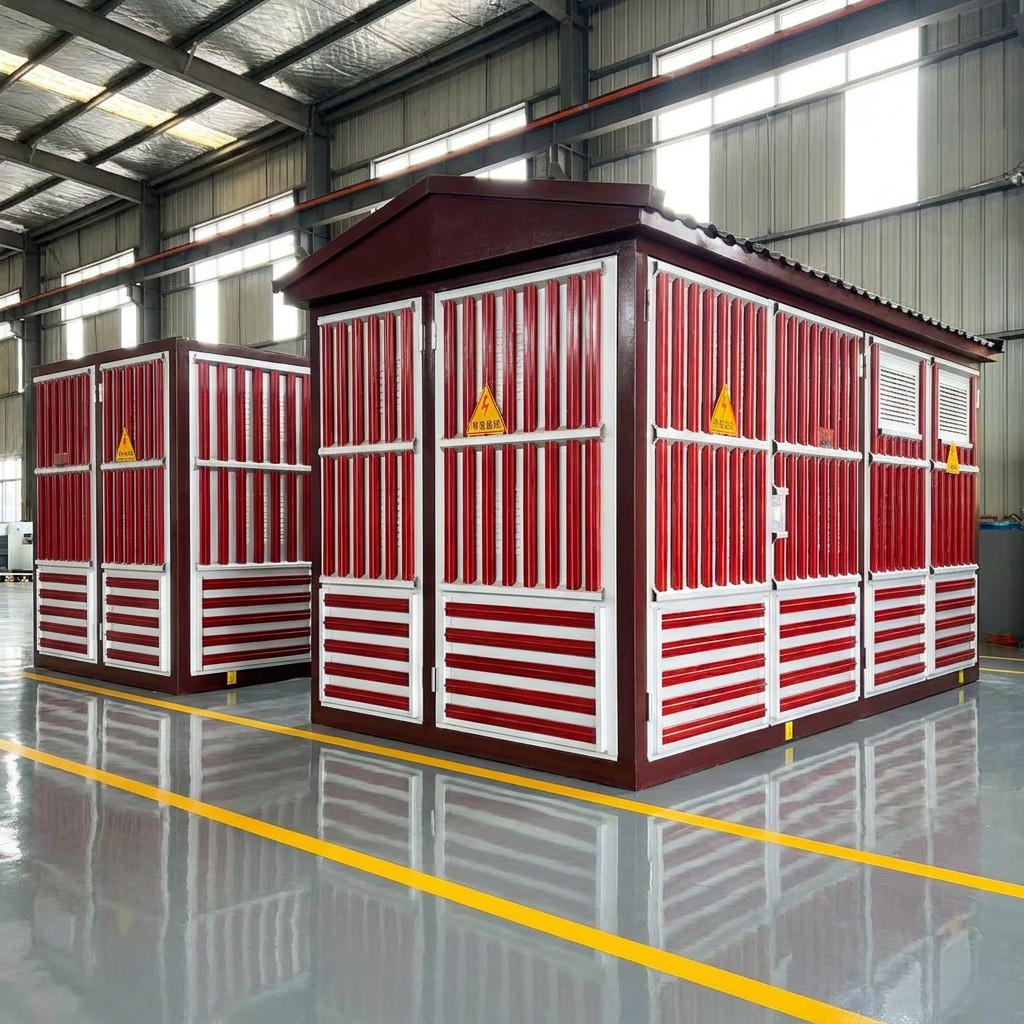
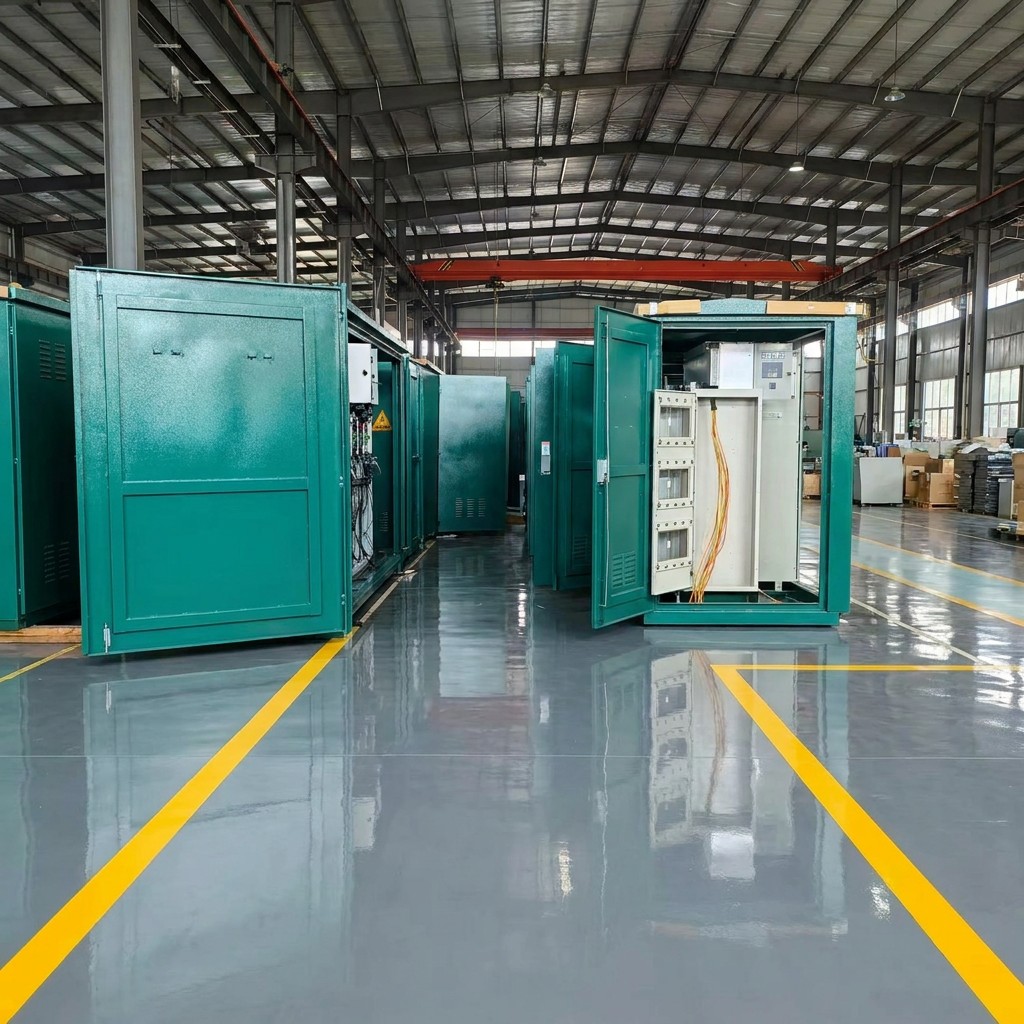
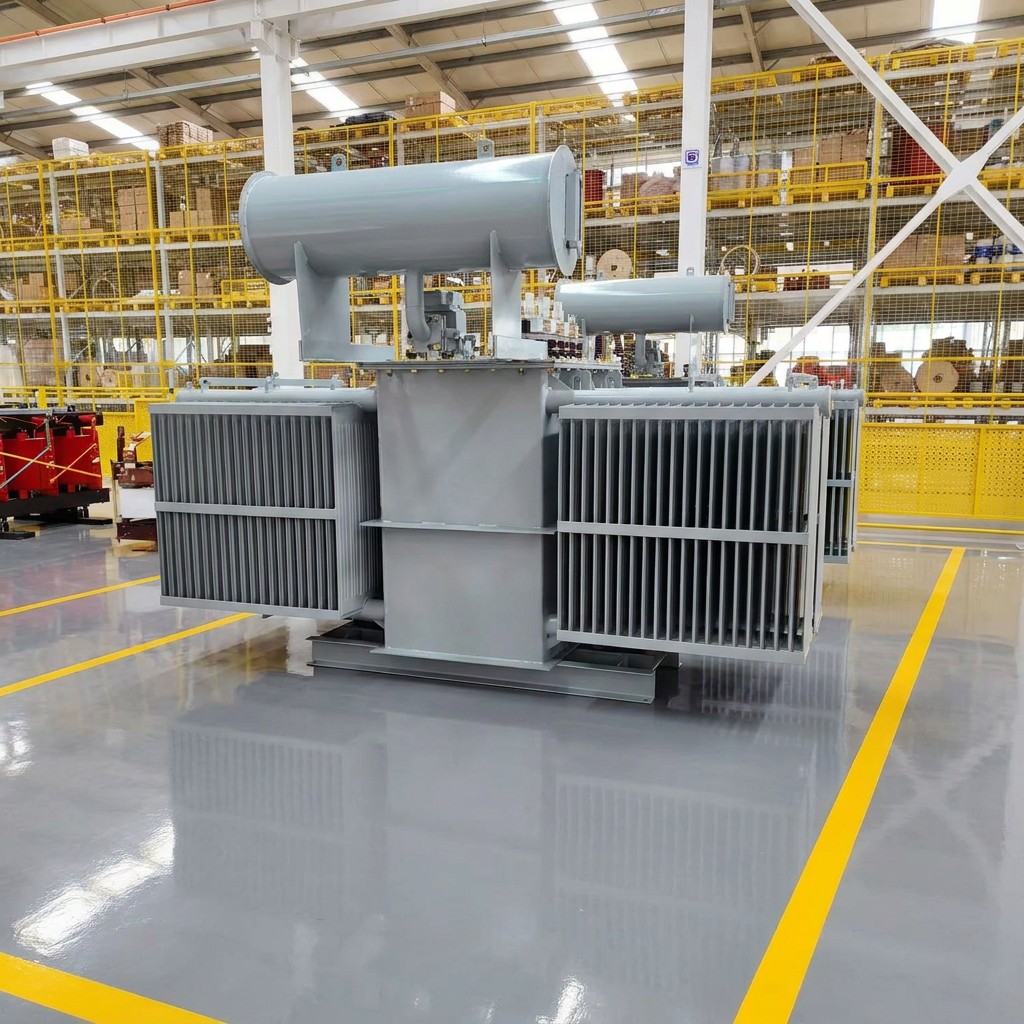
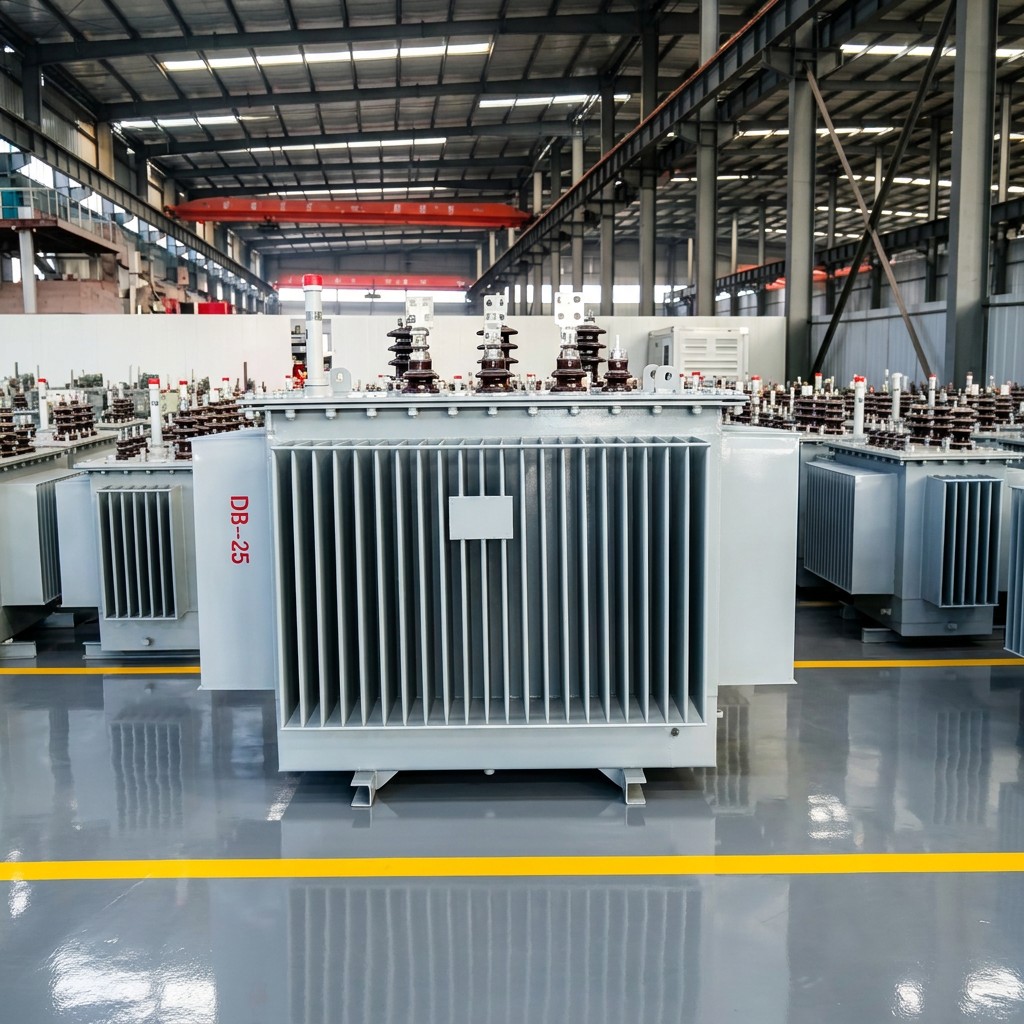
The ZGS Prefabricated Fully Insulated and Sealed American-Style Pad-Mounted Transformer Substation Unit is an integrated outdoor medium-voltage distribution assembly designed for projects that require transformer, switching and low-voltage distribution functions in one equipment package. It is intended for project-specific engineering selection rather than as a substitute for protection coordination, civil design or local utility approval. The supplied product material identifies configurable high-voltage classes from 6 kV to 33 kV, a standard 0.4 kV low-voltage output, and a stated capacity range of 50–2500 kVA. Final ratings, interfaces and applicable requirements should be confirmed against the approved project specification.
Configuration Overview
| Parameter |
Stated configuration |
| High-voltage class |
10 kV standard; 6, 6.3, 10.5, 11, 15 and 33 kV options stated |
| Low-voltage output |
0.4 kV stated; 0.23 and 0.69 kV noted as optional |
| Capacity range |
50–2500 kVA |
| Frequency |
50 Hz / 60 Hz |
| Vector group |
Dyn11 / Yyn0 |
| Cooling |
ONAN; fan-controller option stated for ONAF operation |
| Construction materials |
CRGO silicon-steel core and copper windings stated |
These values describe the available product material, not a universal project configuration. A selected configuration should be specified with the actual utility voltage, load profile, fault level, metering arrangement and local standard requirements. Where an option is required, include it in the RFQ rather than assuming it is included. For a 10kV 0.4kV distribution substation, the final design must also align with the site’s transformer grounding methods and protection scheme.
Engineering Features to Review
Integrated equipment scope
The ZGS Prefabricated Fully Insulated and Sealed American-Style Pad-Mounted Transformer Substation Unit combines transformer and distribution functions in an outdoor package. This can reduce interfaces between separately supplied components, but the distinction between a compact enclosure and a complete system solution is important. Confirm the switchgear one line diagram, switching duty, fuse or protection arrangement, LV outgoing configuration and interfaces before release for manufacture. Among the various types of transformer available for such projects, the integrated pad-mounted design is particularly suited to space-constrained outdoor installations.
Sealed outdoor construction
The source material describes a fully sealed tank and outdoor-oriented construction, with corrosion-protection options stated for different environments. Site conditions still govern the selection. For humid, coastal or flood-prone locations, verify the final enclosure rating, cable-entry sealing, coating system and installation elevation for the supplied configuration; do not rely on a general product description alone. This is especially important for an outdoor prefabricated substation where long-term reliability depends on sealing and corrosion performance.
Configuration flexibility
A ZGS American box substation can be discussed around voltage, capacity, frequency, vector group, feeder count and corrosion requirements. The practical advantage is that these variables can be aligned before fabrication. The trade-off is that late changes to electrical or civil interfaces can affect the approved design, documentation and schedule. For a transformer for data center projects, additional attention should be given to harmonic loading, step-load response and redundancy interfaces.
Documentation and verification
For technical procurement, request the applicable data sheet, general arrangement, foundation information, single-line diagram and test-document scope. Standards may be relevant to the project, but the applicable edition, test clauses, certification basis and local grid code must be confirmed for the order. Routine and type-test evidence should be reviewed according to the buyer’s specification rather than inferred from a catalogue statement. The switchgear one line diagram and transformer grounding methods should be clearly documented before approval.
Application Planning
Utility and public distribution
The ZGS Prefabricated Fully Insulated and Sealed American-Style Pad-Mounted Transformer Substation Unit may suit outdoor distribution points where a compact, ground-mounted arrangement is being evaluated. The engineering team should check network protection coordination, public-access requirements, transformer grounding methods, cable routing and utility acceptance criteria before selection. As one of the common types of transformer used in public distribution, the pad-mounted substation must meet local grid and safety requirements.
Commercial and industrial developments
For commercial developments, industrial parks and infrastructure sites, the ZGS American box substation may be considered when equipment footprint and coordinated supply are important. Load-growth allowance, harmonic content, ambient conditions and maintenance access should be reviewed against the actual operating duty. A 10kV 0.4kV distribution substation is often selected for these applications because it matches common medium-voltage supply and low-voltage utilization requirements.
Data-center-related projects
A transformer for data center applications requires a particularly careful system review. The ZGS Prefabricated Fully Insulated and Sealed American-Style Pad-Mounted Transformer Substation Unit should be assessed with the complete resilience architecture, protection philosophy, standby generation interfaces and critical-load requirements; product configuration alone does not establish facility availability. The transformer for data center selection should also consider redundancy, fault isolation and thermal performance under continuous high load.
Installation and RFQ Checklist
Prefabrication does not eliminate civil work. Before ordering a selected ZGS American box substation, coordinate the foundation, anchor layout, cable trench, earthing system, lifting route and operating clearances with the approved drawings. Early coordination reduces the chance that compact equipment is delivered to a site whose cable approach or foundation details are incompatible.
- State nominal HV and LV voltages, frequency, capacity and vector-group requirements.
- Provide the required switchgear one line diagram and protection coordination inputs.
- Define transformer grounding methods and the project earthing arrangement.
- Specify feeder quantity, metering, enclosure, corrosion and environmental requirements.
- Request drawings, test-document requirements and the exact standards or utility requirements applicable to the destination.
- Confirm civil, cable-entry, transport and commissioning responsibilities.
Selection is therefore a decision about system compatibility, not only transformer rating. The ZGS Prefabricated Fully Insulated and Sealed American-Style Pad-Mounted Transformer Substation Unit offers a configurable product basis, while the final design must remain subject to engineering review and documented project approval. For any outdoor prefabricated substation, the final selection should also consider the available types of transformer and their suitability for the specific load and environment.
Request Technical Information
Send the site voltage, capacity, load profile, network diagram, installation environment and document requirements to obtain a configuration review for the ZGS Prefabricated Fully Insulated and Sealed American-Style Pad-Mounted Transformer Substation Unit. This enables the supplier and project team to confirm the proposed scope before technical and commercial submission. For projects involving a transformer for data center, please also include redundancy, harmonic and standby power requirements.
FAQ
1. What are the structural features of ZGS American type box substation?
Our ZGS American box substation adopts an integrated compact overall structure, combining high-voltage switch, transformer body, low-voltage outgoing system and protection device into one unit. Different from European box substation, it features smaller floor space, simpler installation and fully sealed design, which is more suitable for outdoor residential area, street lighting, photovoltaic and distribution grid projects. As a pad-mounted transformer substation, it also supports flexible transformer grounding methods and configurable switchgear one line diagram.
2. What capacity and voltage levels are available for ZGS American box substation?
Standard voltage is 10kV/0.4kV. The capacity range covers 50kVA to 2500kVA. The internal transformer can be standard oil-immersed type, and we can customize parameters and external size according to your project load and site conditions. For a transformer for data center or a 10kV 0.4kV distribution substation, we can also review the required types of transformer and cooling configuration.
3. What environment and protection level can ZGS American box substation adapt to?
The whole machine is fully sealed and waterproof with standard IP44 protection grade. It is designed for long-term outdoor operation, adapting to high temperature, rainy, dusty and suburban outdoor environments. We can strengthen anti-corrosion and salt-fog resistant treatment for coastal areas. This makes the outdoor prefabricated substation suitable for a wide range of site conditions.
4. What certifications do you have for ZGS American box substation?
All of our ZGS American type box substations are equipped with CE certification. Complete CE certification files and related technical documents can be provided for your customs clearance and project bidding. Documentation can also include the switchgear one line diagram, transformer grounding methods and test scope as required.
5. What is the warranty policy for your ZGS American box substation?
We provide 10 years long-term warranty for all ZGS American box substations. Professional after-sales technical support is provided during the entire warranty period to ensure stable equipment operation. For a transformer for data center or other critical applications, additional service and spares arrangements can be discussed.

 EN